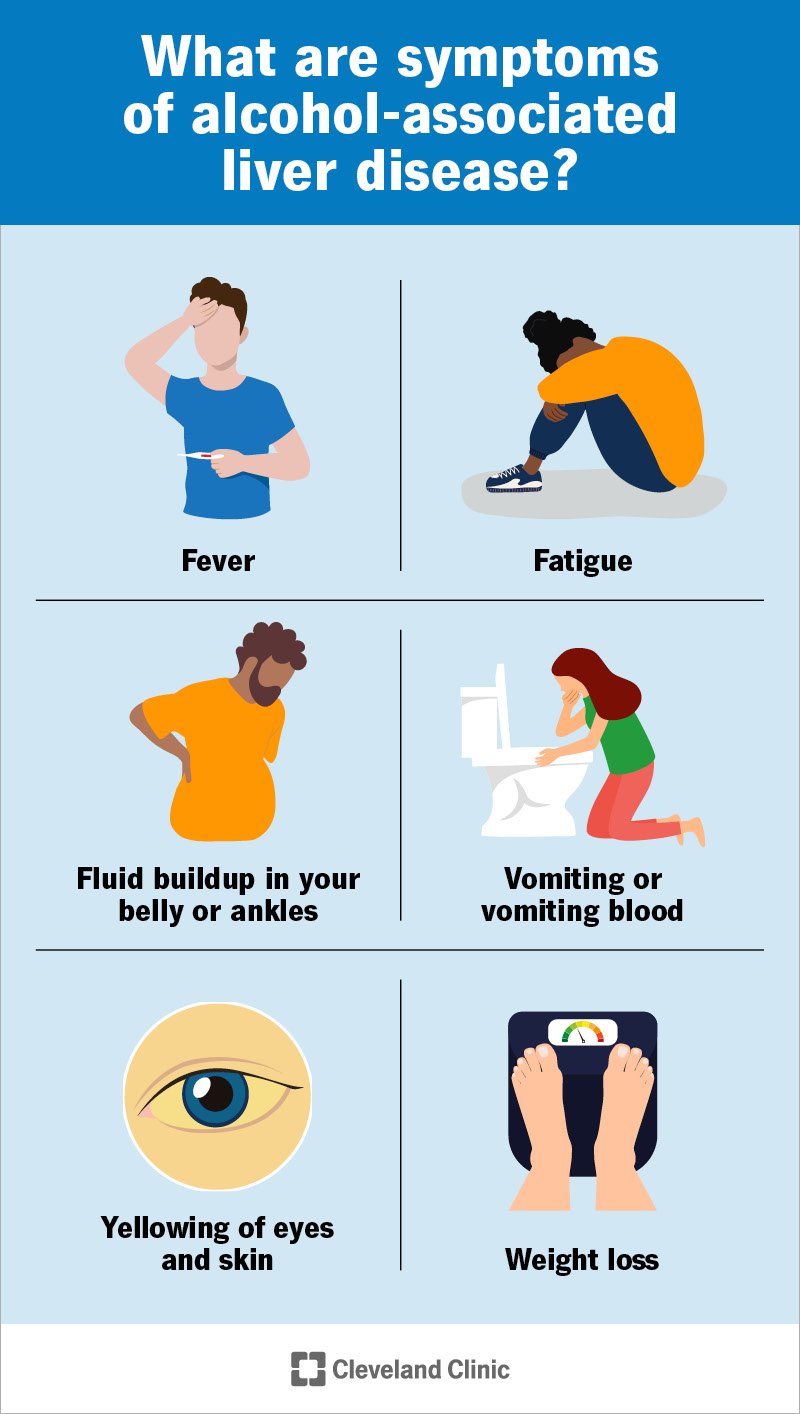
The liver is one of the body’s hardest-working organs. It filters toxins from the blood, helps digest food, stores nutrients, and supports hundreds of essential functions. When the liver becomes damaged, it may not show symptoms right away. However, as liver disease progresses, the body often sends warning signals that shouldn’t be ignored.
While some people describe these symptoms as signs that your body is “full of toxins,” the medical reality is that they are possible signs of impaired liver function, not proof that toxins have built up in the body.
Here are seven important warning signs to watch for.
1. Yellowing of the Skin and Eyes (Jaundice)
One of the most recognizable signs of liver damage is jaundice. It occurs when the liver cannot properly process bilirubin, causing it to build up in the bloodstream.
Symptoms include:
- Yellow skin
- Yellowing of the whites of the eyes
- Dark urine
- Pale-colored stools
Jaundice requires prompt medical evaluation.
2. Persistent Fatigue
Feeling unusually tired or lacking energy can be an early symptom of liver disease. Although fatigue has many possible causes, ongoing exhaustion combined with other symptoms should not be ignored.
3. Pain or Discomfort in the Upper Right Abdomen
The liver sits beneath the right side of the rib cage. Inflammation or enlargement of the liver may cause:
- Dull aching pain
- Tenderness
- A feeling of fullness beneath the ribs
Persistent abdominal pain should always be evaluated by a healthcare professional.
4. Swelling in the Legs or Abdomen
Advanced liver disease may cause fluid buildup, leading to:
- Swollen ankles
- Swollen feet
- Enlarged abdomen (ascites)
These symptoms may indicate serious liver dysfunction and require immediate medical attention.
5. Itchy Skin
Chronic itching without an obvious rash can occur in certain liver diseases. Researchers believe this may be related to substances that accumulate in the bloodstream when bile flow is impaired.
Persistent unexplained itching should be discussed with your doctor.
6. Easy Bruising or Bleeding
The liver produces proteins that help blood clot properly. When liver function declines, you may notice:
- Frequent bruising
- Nosebleeds
- Bleeding gums
- Cuts that bleed longer than usual
These symptoms can signal reduced production of clotting factors.
7. Changes in Mental Function
Severe liver disease may allow harmful substances to accumulate in the bloodstream, affecting brain function. This condition, called hepatic encephalopathy, can cause:
- Confusion
- Difficulty concentrating
- Memory problems
- Personality changes
- Excessive sleepiness
This is a medical emergency that requires immediate care.
Common Causes of Liver Damage
Several conditions can affect liver health, including:
- Excessive alcohol consumption
- Hepatitis B or C infection
- Non-alcoholic fatty liver disease (NAFLD)
- Obesity
- Type 2 diabetes
- Certain medications
- Autoimmune liver diseases
- Genetic disorders
Early diagnosis often improves treatment outcomes.
How to Protect Your Liver
Healthy lifestyle choices can help reduce the risk of liver disease:
- Maintain a healthy weight.
- Eat a balanced diet rich in fruits, vegetables, and whole grains.
- Limit alcohol consumption.
- Exercise regularly.
- Avoid smoking.
- Take medications only as directed.
- Get vaccinated against hepatitis A and B if recommended.
- Have regular health checkups, especially if you have risk factors.
When to See a Doctor
Seek medical attention if you experience:
- Yellowing of the skin or eyes
- Severe abdominal pain
- Persistent swelling
- Vomiting blood
- Black, tarry stools
- Confusion or difficulty staying awake
Even milder symptoms that last for several weeks deserve medical evaluation.
Final Thoughts
The liver plays a vital role in keeping your body healthy, and liver damage often develops silently. Symptoms such as jaundice, fatigue, abdominal pain, swelling, itching, easy bruising, and mental changes may indicate an underlying liver condition that needs medical attention.
Rather than relying on “detox” products or cleanses, the best way to support your liver is through a healthy lifestyle, regular medical checkups, and prompt evaluation of any concerning symptoms. Early diagnosis and treatment can make a significant difference in protecting your liver and your overall health.