Learn about liver disease symptoms, common causes, stages, diagnosis, treatment options, and warning signs that require urgent medical attention.
The liver is one of the body’s most important organs. It helps process nutrients, produces bile for digestion, stores energy, supports blood clotting, and helps remove certain substances from the bloodstream.
Liver disease is not one single condition. It is a broad term covering many disorders that can damage the liver, including fatty liver disease, viral hepatitis, alcohol-related liver disease, autoimmune conditions, and inherited disorders.
One of the biggest challenges is that liver disease can develop with few or no obvious symptoms in its early stages. By the time noticeable symptoms appear, significant liver damage may sometimes have already occurred.
Common Symptoms of Liver Disease
Symptoms vary depending on the cause and severity of liver damage.
Early liver disease may cause:
- Fatigue or unusual tiredness
- Loss of appetite
- Nausea
- Mild abdominal discomfort
- General weakness
- Unexplained changes in weight
As liver function becomes impaired, more noticeable symptoms may develop.
Yellow Skin or Eyes
Jaundice causes the skin or whites of the eyes to become yellow. It happens when bilirubin builds up in the body.
Jaundice can have many causes, including liver and bile-duct problems, and should be medically evaluated.
Dark Urine and Pale Stools
Changes in urine and stool color can sometimes occur when the liver or bile-flow system is affected.
Itchy Skin
Persistent itching without an obvious skin cause can occur with certain liver and bile-flow disorders.
Abdominal Swelling
Fluid can accumulate inside the abdomen, causing a condition called ascites. This is more commonly associated with advanced liver disease.
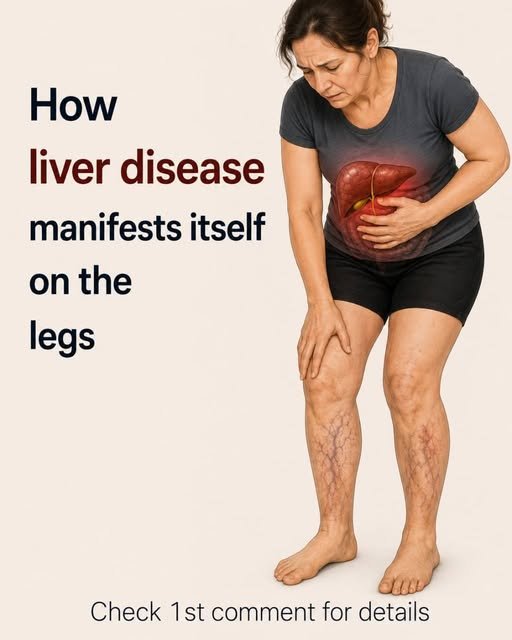
Swelling in the Legs and Ankles
Fluid retention can cause swelling in the lower legs and ankles, particularly in advanced disease.
Easy Bruising or Bleeding
A damaged liver may have difficulty producing some proteins needed for normal blood clotting. This can contribute to easier bruising or bleeding.
Confusion or Extreme Sleepiness
Advanced liver disease can sometimes cause hepatic encephalopathy, in which toxins that are normally processed by the liver affect brain function.
New confusion, unusual behavior, severe drowsiness, or difficulty staying awake requires prompt medical attention.
What Causes Liver Disease?
There are many possible causes.
1. Fatty Liver Disease
Fat can accumulate in the liver. Metabolic dysfunction-associated steatotic liver disease (MASLD) is associated with factors such as overweight or obesity, insulin resistance, type 2 diabetes, and abnormal cholesterol or triglyceride levels.
Alcohol can cause a separate form of fatty liver disease and other alcohol-related liver damage.
2. Viral Hepatitis
Viruses such as hepatitis B and hepatitis C can cause inflammation and long-term liver damage.
Some people have hepatitis for years without obvious symptoms, which is why testing can be important for people with relevant risk factors.
3. Alcohol-Related Liver Disease
Regular heavy alcohol consumption can damage liver cells and may eventually lead to inflammation, scarring, cirrhosis, and liver failure.
Reducing or stopping alcohol can be an important part of treatment, depending on the person’s condition.
4. Autoimmune Liver Diseases
In autoimmune conditions, the immune system mistakenly attacks liver tissue or the bile ducts.
Examples include autoimmune hepatitis and primary biliary cholangitis.
5. Medications and Toxins
Some medications, supplements, herbal products, and toxic substances can injure the liver.
More medication does not mean better treatment. Never take high doses of medications or supplements without appropriate medical guidance.
6. Genetic and Metabolic Conditions
Inherited disorders such as hemochromatosis and Wilson disease can cause abnormal substances to accumulate in the liver and cause damage.
The Stages of Liver Disease
The exact progression depends on the underlying disease, but chronic liver damage is often described in stages.
Stage 1: Liver Injury or Inflammation
The liver becomes irritated or injured.
At this point, many people have few symptoms—or none at all.
The important goal is to identify and treat the underlying cause before permanent damage develops.
Stage 2: Fibrosis
Repeated inflammation can cause fibrosis, meaning scar tissue begins to build up.
Early fibrosis may improve or stop progressing if the underlying cause is successfully treated.
Stage 3: Cirrhosis
With continued damage, extensive scar tissue can replace healthy liver tissue.
This is called cirrhosis.
Cirrhosis can be compensated, meaning the liver still performs many of its functions, or decompensated, meaning serious complications have developed.
Stage 4: Liver Failure
In severe cases, the liver can lose much of its ability to perform essential functions.
Liver failure can be life-threatening and may require specialized treatment, including consideration of liver transplantation in appropriate patients.
How Is Liver Disease Diagnosed?
Doctors generally use a combination of medical history, physical examination, blood tests, and imaging.
Blood Tests
Liver blood tests may include measurements such as:
- ALT
- AST
- ALP
- GGT
- Bilirubin
- Albumin
- Platelet count
These results can provide clues about liver injury and function, but no single blood test can diagnose every type of liver disease.
Imaging
Depending on the situation, a doctor may recommend:
- Ultrasound
- CT scan
- MRI
- Elastography
Elastography can help assess liver stiffness and estimate the degree of fibrosis.
Additional Testing
Doctors may also order tests for viral hepatitis, autoimmune disease, iron or copper disorders, or other causes.
In selected cases, a liver biopsy may be necessary.
Treatment Depends on the Cause
There is no single treatment that works for every type of liver disease.
Treatment may include:
Lifestyle Changes
For metabolic fatty liver disease, losing excess weight when appropriate, improving diet quality, increasing physical activity, and controlling blood sugar and cholesterol can help reduce liver-related risk.
Avoiding Alcohol
If alcohol is contributing to liver damage, stopping alcohol is an important part of treatment.
People who drink heavily and may be physically dependent should seek medical advice before abruptly stopping, because alcohol withdrawal can sometimes be dangerous.
Treating Viral Hepatitis
Certain forms of hepatitis can be treated with antiviral medicines. Modern treatments for hepatitis C can cure most infections, while hepatitis B can often be controlled with long-term antiviral therapy when treatment is indicated.
Managing Complications
Advanced liver disease may require treatment for complications such as:
- Ascites
- Variceal bleeding
- Hepatic encephalopathy
- Fluid retention
- Nutritional problems
In severe liver failure, transplantation may be considered.
When Should You See a Doctor?
Make an appointment if you have persistent unexplained fatigue, abdominal discomfort, abnormal liver tests, ongoing itching, or other symptoms that could indicate liver disease.
Seek urgent medical care for symptoms such as:
- Yellow skin or eyes accompanied by significant illness
- Vomiting blood
- Black or bloody stools
- Severe confusion or unusual sleepiness
- Severe abdominal swelling
- Difficulty breathing
- Sudden severe abdominal pain
These can indicate serious complications and should not be managed with home remedies.
Can Liver Disease Be Prevented?
Not every liver disease can be prevented, but several steps can reduce your risk:
- Maintain a healthy weight.
- Exercise regularly.
- Eat a balanced diet.
- Limit or avoid alcohol.
- Avoid unnecessary supplements and medications.
- Never share needles or injection equipment.
- Follow appropriate precautions against viral hepatitis.
- Ask your healthcare professional whether hepatitis screening or vaccination is appropriate for you.
- Manage diabetes, blood pressure, and cholesterol.
The Bottom Line
Liver disease can be silent for years, but early detection can make a major difference. Fatty liver disease, hepatitis, alcohol-related damage, autoimmune disorders, and inherited conditions all require different approaches.
If you have persistent symptoms or risk factors for liver disease, don’t wait for severe symptoms to appear. A healthcare professional can use blood tests and, when necessary, imaging to determine what’s happening and recommend the appropriate treatment.