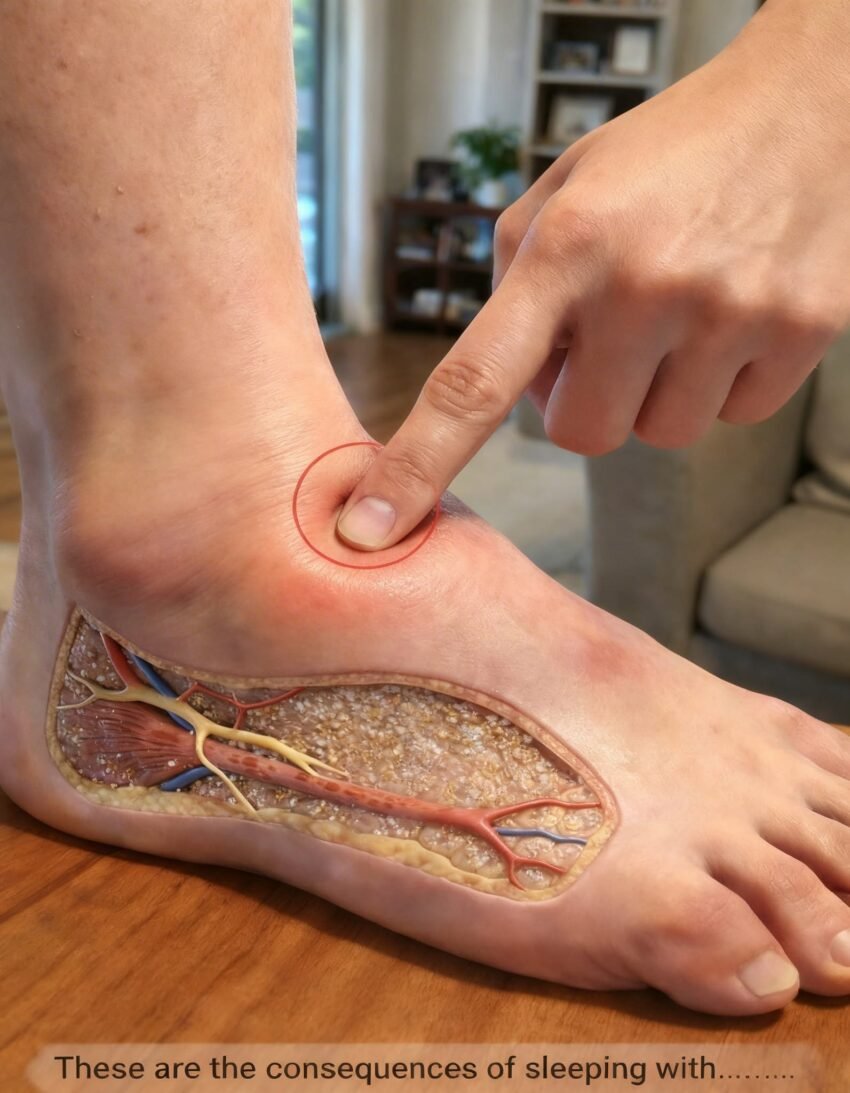
Swollen feet and ankles are a common problem, especially among older adults, people who spend long hours standing or sitting, and individuals with certain medical conditions. While occasional swelling is often harmless, persistent or severe swelling can sometimes signal an underlying health issue that requires medical attention.
For centuries, medicinal herbs have been used in traditional medicine to support circulation, reduce inflammation, and ease discomfort. Although some herbs show promising effects, they should be viewed as a complement—not a replacement—for proper medical care.
Here’s a closer look at some of the most commonly used herbs and how they may help support healthy circulation.
Why Do Feet Become Swollen?
Swelling, also known as edema, occurs when excess fluid accumulates in the body’s tissues.
Common causes include:
- Standing or sitting for extended periods
- Hot weather
- Aging
- Pregnancy
- Obesity
- High salt intake
- Certain medications
- Poor circulation
- Varicose veins
- Heart, kidney, or liver disease
- Lymphedema
If swelling develops suddenly, affects only one leg, or is accompanied by pain, redness, chest pain, or shortness of breath, seek medical care immediately.
1. Horse Chestnut
Horse chestnut seed extract has been widely studied for chronic venous insufficiency, a condition in which leg veins struggle to return blood to the heart.
Potential Benefits
- May reduce leg swelling
- Supports healthy blood flow
- May ease feelings of heaviness
- Could help decrease leg discomfort
Only use standardized products intended for medicinal use, as raw horse chestnut seeds are toxic.
2. Ginger
Ginger contains natural compounds called gingerols and shogaols, which have anti-inflammatory properties.
It May Help:
- Reduce mild inflammation
- Support healthy circulation
- Ease muscle soreness
- Promote overall cardiovascular health
Enjoy ginger as tea, in cooking, or in moderation as a supplement after consulting your healthcare provider.
3. Turmeric
Turmeric’s active compound, curcumin, is known for its anti-inflammatory and antioxidant effects.
Some research suggests curcumin may help reduce inflammation associated with certain chronic conditions, although its effect on leg swelling specifically is less well established.
To improve absorption, turmeric is often consumed with black pepper, which contains piperine.
4. Gotu Kola
Gotu kola has long been used in traditional herbal medicine to support circulation.
Studies suggest it may:
- Improve vein function
- Reduce ankle swelling in some people with chronic venous insufficiency
- Support connective tissue health
Always use supplements from reputable manufacturers.
5. Ginkgo Biloba
Ginkgo biloba may help improve blood flow by promoting healthy circulation to small blood vessels.
Potential benefits include:
- Improved circulation
- Reduced sensation of cold feet
- Support for vascular health
Because ginkgo can interact with blood-thinning medications, consult your healthcare provider before using it.
6. Dandelion
Dandelion has traditionally been used as a mild natural diuretic.
It may help the body eliminate excess fluid through increased urination, although scientific evidence remains limited.
People with kidney disease or those taking diuretics should seek medical advice before using herbal products.
7. Butcher’s Broom
Butcher’s broom is another herb commonly used for circulation problems.
Some studies suggest it may help:
- Reduce leg heaviness
- Improve vein tone
- Ease mild swelling related to chronic venous insufficiency
More high-quality research is still needed.
Lifestyle Habits That Support Healthy Circulation
Herbs work best when combined with healthy daily habits.
Stay Active
Regular walking activates the calf muscles, helping pump blood back toward the heart.
Aim for at least 30 minutes of moderate activity most days of the week.
Elevate Your Legs
Raise your feet above heart level for 15–30 minutes several times a day if you experience mild swelling.
Wear Compression Stockings
Compression stockings can improve blood flow and reduce swelling, particularly in people with chronic venous insufficiency. Use them under the guidance of a healthcare provider.
Reduce Sodium Intake
Too much salt encourages the body to retain water.
Choose:
- Fresh vegetables
- Fruits
- Whole grains
- Lean proteins
Limit highly processed and salty foods.
Stay Hydrated
Drinking enough water helps maintain healthy circulation and may reduce fluid retention caused by dehydration.
Maintain a Healthy Weight
Excess body weight places additional pressure on leg veins and can worsen swelling.
Even modest weight loss may improve circulation in some individuals.
When Should You See a Doctor?
Natural remedies should never replace medical evaluation for persistent swelling.
Seek medical attention if you notice:
- Sudden swelling in one leg
- Severe pain
- Redness or warmth
- Fever
- Chest pain
- Shortness of breath
- Swelling that persists or worsens
- Open sores or skin changes
These symptoms may indicate conditions such as a blood clot, infection, heart failure, or other serious medical problems.
Important Safety Considerations
Even though herbs are “natural,” they are not always safe for everyone.
Some herbal supplements can interact with medications, including:
- Blood thinners
- Diabetes medications
- Blood pressure medications
- Diuretics
Pregnant or breastfeeding women, people with chronic medical conditions, and older adults should consult a healthcare professional before starting herbal supplements.
Final Thoughts
Medicinal herbs such as horse chestnut, ginger, turmeric, gotu kola, ginkgo biloba, dandelion, and butcher’s broom have been traditionally used to support healthy circulation and may help relieve mild swelling in some people. However, evidence varies, and these remedies are most effective when combined with healthy lifestyle habits such as regular exercise, staying hydrated, reducing sodium intake, and elevating the legs.
If swelling is persistent, severe, or accompanied by concerning symptoms, it is essential to seek medical evaluation to identify and treat the underlying cause.
Disclaimer: This article is for informational purposes only and is not a substitute for professional medical advice. Always consult a qualified healthcare provider before using herbal supplements, especially if you have an existing medical condition or take prescription medications.