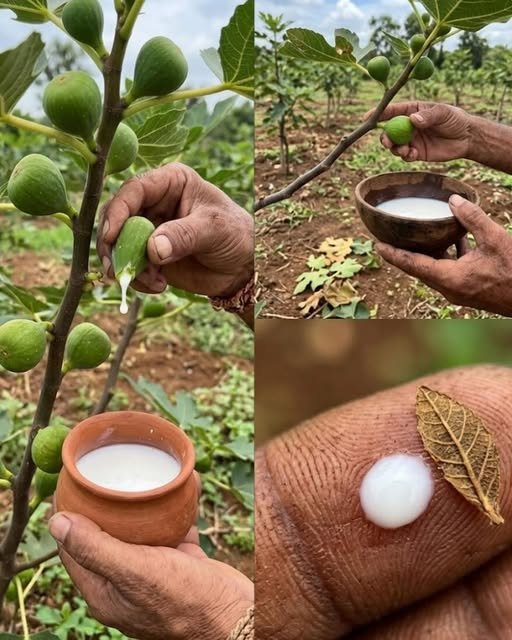
You may have seen sensational headlines claiming that fig sap is “almost as expensive as gold.” While this certainly grabs attention, the reality is more nuanced. Fig sap does have some specialized uses and can be valuable in certain industries, but there is no evidence that it consistently sells for prices anywhere near gold.
So, what exactly is fig sap, and why has it attracted so much interest?
What Is Fig Sap?
Fig sap is the white, milky latex that oozes from the stems, leaves, and unripe fruit of a fig tree when they are cut or broken. This natural latex contains enzymes, plant compounds, and proteins that help protect the tree from insects and disease.
Because it is produced in relatively small amounts, collecting fig sap can be time-consuming.
Why Is It Considered Valuable?
Fig sap contains compounds that researchers have studied for their potential biological properties. Traditionally, it has also been used in folk remedies in various cultures.
Some potential uses include:
- Natural enzyme source
- Traditional remedy for common warts
- Ingredient in scientific research
- Interest in cosmetic and skincare research
However, these uses do not mean the sap is a miracle cure or that it commands extraordinarily high market prices.
Traditional Uses
For generations, people have applied fig sap to:
- Common warts
- Corns and calluses
- Certain traditional skin remedies
Some studies suggest compounds in fig latex may help break down wart tissue, but the evidence is limited. Self-treatment can also irritate or burn healthy skin.
Be Careful: Fig Sap Can Irritate Skin
Despite its natural origin, fig sap isn’t harmless.
It may cause:
- Skin irritation
- Redness and burning
- Blistering
- Allergic reactions
- Increased sensitivity to sunlight (phytophotodermatitis)
Always avoid getting the sap in your eyes or on broken skin, and wash your hands after handling fresh figs or fig branches.
Is It Really Worth More Than Gold?
No. There is no reliable evidence that ordinary fig sap is regularly bought and sold at prices comparable to gold.
The claim likely comes from the fact that:
- Only small amounts can be collected.
- Harvesting is labor-intensive.
- Some specialized research or cosmetic ingredients derived from plant latex can be costly.
That doesn’t mean raw fig sap itself has a market value anywhere close to precious metals.
Final Thoughts
Fig sap is an intriguing natural substance with a long history in traditional medicine and ongoing scientific interest. It contains unique plant compounds that may have useful properties, but claims that it is “almost as expensive as gold” are exaggerated and unsupported by credible evidence.
If you’re considering using fig sap for a skin condition or other health purpose, it’s best to consult a healthcare professional first—especially if you have sensitive skin or allergies.