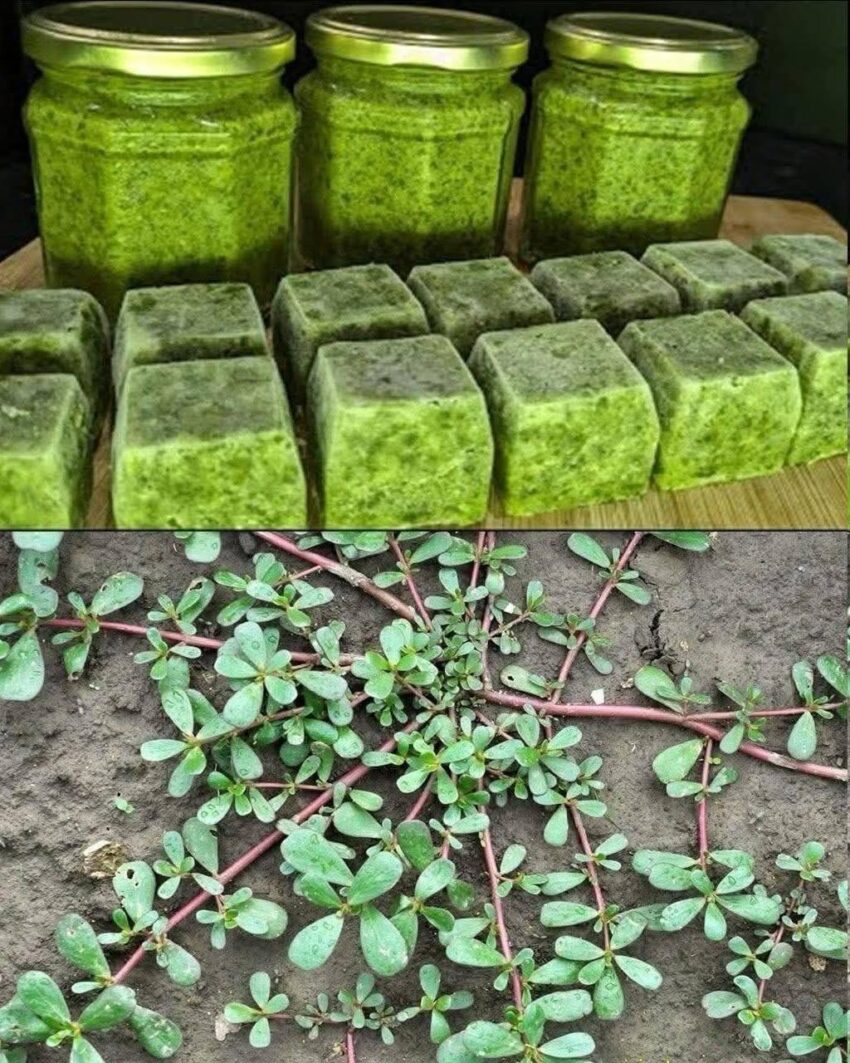
It’s easy to assume that every weed growing in your yard is a nuisance. But some plants commonly labeled as weeds can actually provide surprising benefits for your garden, local wildlife, and even your soil. That’s why experienced gardeners often take a closer look before pulling or stepping on an unfamiliar plant.
While no weed is literally worth gold, some truly are a “gold mine” for a healthy garden.
Why Some Weeds Are Valuable
Not all weeds compete aggressively with your flowers or vegetables. Certain species can:
- Improve soil structure with deep root systems.
- Attract bees, butterflies, and other pollinators.
- Provide food and shelter for beneficial insects.
- Help reduce soil erosion.
- Indicate soil conditions, such as compaction or poor drainage.
Learning to identify these plants can help you decide which ones to remove and which ones might be worth leaving in place.
Common Beneficial “Weeds”
Dandelion
Dandelions are often considered lawn pests, but they offer nectar and pollen for bees, especially in early spring when other flowers are scarce. Their deep taproots can also help bring nutrients closer to the soil surface.
Clover
Clover naturally fixes nitrogen from the air, enriching the soil and reducing the need for fertilizer. It also attracts pollinators and stays green during dry weather.
Plantain
Broadleaf and narrowleaf plantain are hardy plants that help stabilize soil. They also provide seeds that some birds enjoy.
Chickweed
Chickweed creates a living ground cover that can help reduce erosion and provide habitat for beneficial insects.
Before You Remove It
If you discover an unfamiliar plant growing in your yard:
- Identify it before pulling it out.
- Consider whether it’s harming nearby plants.
- Check if it’s flowering and supporting pollinators.
- Remove invasive species promptly, as they can spread rapidly and outcompete native plants.
When You Should Remove Weeds
Even beneficial weeds shouldn’t be allowed to take over.
It’s usually best to remove them if they:
- Crowd out vegetables or flowers.
- Produce large numbers of seeds.
- Are invasive in your region.
- Trigger allergies or pose risks to children or pets.
Regular maintenance helps keep your garden balanced and healthy.
The Bottom Line
The next time you notice a weed in your garden, don’t assume it’s useless. Some common plants can improve soil health, support pollinators, and contribute to a thriving ecosystem. The key is proper identification—once you know what you’re looking at, you can decide whether it’s a problem or a valuable part of your garden.
A little curiosity can turn an ordinary “weed” into one of the most useful plants in your yard.