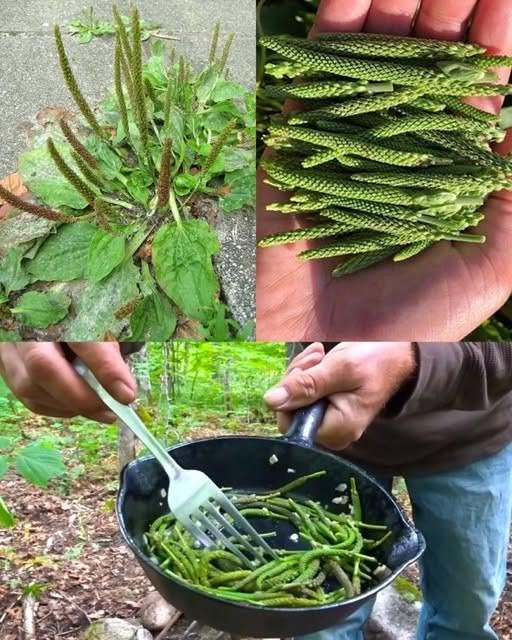
Have you ever pulled a stubborn plant from your garden, assuming it was nothing more than a pesky weed? Many of the plants we dismiss as unwanted invaders have been used in traditional medicine and cooking for centuries. While no plant has the power to “empty hospitals,” some so-called weeds are surprisingly rich in vitamins, minerals, and beneficial plant compounds.
One such plant is purslane (Portulaca oleracea), a common weed found in gardens, sidewalks, and fields around the world. Despite its humble appearance, purslane is considered one of the most nutrient-dense leafy plants.
What Is Purslane?
Purslane is a low-growing succulent with smooth, reddish stems and small, fleshy green leaves. Because it spreads quickly, many gardeners remove it without realizing it is edible and highly nutritious.
For generations, it has been enjoyed in salads, soups, stir-fries, and traditional herbal remedies in many cultures.
Rich in Omega-3 Fatty Acids
Purslane is unusual among leafy vegetables because it contains alpha-linolenic acid (ALA), a plant-based omega-3 fatty acid. Omega-3s play an important role in supporting heart, brain, and overall health.
Packed With Antioxidants
This leafy plant contains antioxidants such as:
- Vitamin C
- Vitamin E
- Beta-carotene
- Glutathione
- Various flavonoids
These compounds help protect cells from damage caused by free radicals.
A Good Source of Vitamins and Minerals
Purslane provides several essential nutrients, including:
- Vitamin A
- Vitamin C
- Magnesium
- Potassium
- Calcium
- Iron
These nutrients support healthy vision, immune function, muscles, bones, and normal body processes.
May Support Heart Health
Thanks to its omega-3 fatty acids, potassium, and antioxidant content, purslane may contribute to cardiovascular health as part of a balanced diet.
However, it should not be viewed as a treatment for heart disease.
May Help Support Healthy Blood Sugar
Some early studies suggest purslane may have a role in supporting healthy blood sugar levels, but more high-quality human research is needed.
People with diabetes should continue following their healthcare provider’s advice and prescribed treatment.
Supports Healthy Digestion
Because it contains dietary fiber, purslane may help promote healthy digestion and support regular bowel movements.
Low in Calories
Purslane is naturally low in calories while being rich in nutrients, making it a healthy addition to meals for those looking to increase vegetable intake.
How to Eat Purslane
If you’re certain the plant has been correctly identified and has not been exposed to pesticides or contaminants, purslane can be enjoyed in several ways:
- Add fresh leaves to salads.
- Blend into green smoothies.
- Stir into soups and stews.
- Sauté with garlic and olive oil.
- Mix into omelets or vegetable dishes.
Its leaves have a slightly tangy, lemony flavor with a crisp texture.
A Few Precautions
Although purslane is safe for most people when eaten as food, keep these points in mind:
- It contains oxalates, which may contribute to kidney stone formation in susceptible individuals.
- Only harvest plants from clean, pesticide-free areas.
- Never eat wild plants unless you are completely certain of their identification, as some toxic plants can resemble edible species.
The Truth Behind the Viral Claim
You may have seen posts claiming that a common weed “has the power to empty hospitals.” This is an exaggeration. While plants like purslane are nutritious and may support overall health, no single herb or weed can prevent or cure all illnesses or replace professional medical care.
The best approach to good health is a balanced diet, regular physical activity, adequate sleep, and appropriate medical care when needed.
Final Thoughts
Purslane is a perfect example of how an overlooked garden weed can actually be a valuable edible plant. Rich in omega-3 fatty acids, antioxidants, vitamins, and minerals, it can be a nutritious addition to a healthy diet. Just remember that even the healthiest foods are only one part of an overall healthy lifestyle.
Disclaimer: This article is for informational purposes only and should not be considered medical advice. Always consult a qualified healthcare professional before using wild plants or herbs for medicinal purposes, and never rely on them as a substitute for prescribed treatment.