Heart attacks are often associated with severe chest pain, but the warning signs can be much more subtle. In some cases, discomfort in the arms or even the legs may appear hours or days before a heart attack occurs. Recognizing these symptoms early can help you seek medical attention promptly and improve the chances of a better outcome.
It’s important to remember that these symptoms do not always mean a heart attack is happening. Many other conditions, such as muscle injuries, nerve problems, or poor circulation, can cause similar symptoms. However, if these signs occur suddenly, are severe, or are accompanied by chest pain, shortness of breath, nausea, or sweating, they should be treated as a medical emergency.
1. Pain or Pressure in the Left Arm
One of the most well-known warning signs of a heart attack is pain or discomfort that starts in the chest and spreads to the left arm. The pain may feel like:
- Pressure
- Tightness
- Heaviness
- Aching
- Burning
In some people, arm pain may occur even without obvious chest pain, especially in women, older adults, and people with diabetes.
2. Pain in Both Arms
Although the left arm is more commonly affected, discomfort can also occur in both arms. This pain may:
- Come and go
- Feel dull or aching
- Radiate from the shoulders
- Spread into the wrists or hands
Persistent arm pain combined with other symptoms should never be ignored.
3. Tingling or Numbness
Some people experience tingling, numbness, or a “pins and needles” sensation in one or both arms during a heart attack. This occurs because pain signals from the heart can be perceived in other parts of the body through shared nerve pathways.
Keep in mind that numbness alone is more commonly caused by nerve compression or other non-cardiac conditions.
4. Weakness in the Arms
Sudden unexplained weakness that makes it difficult to lift or hold objects can sometimes accompany a heart attack, particularly when it occurs alongside symptoms such as:
- Chest discomfort
- Cold sweat
- Dizziness
- Shortness of breath
While muscle fatigue has many causes, sudden weakness with other warning signs deserves immediate evaluation.
5. Leg Pain with Other Heart Symptoms
Leg pain by itself is not a typical sign of a heart attack. However, some people with cardiovascular disease may experience leg discomfort due to poor circulation caused by peripheral artery disease (PAD), which shares many of the same risk factors as heart disease.
If leg pain occurs together with chest pain, difficulty breathing, or fainting, seek emergency medical care.
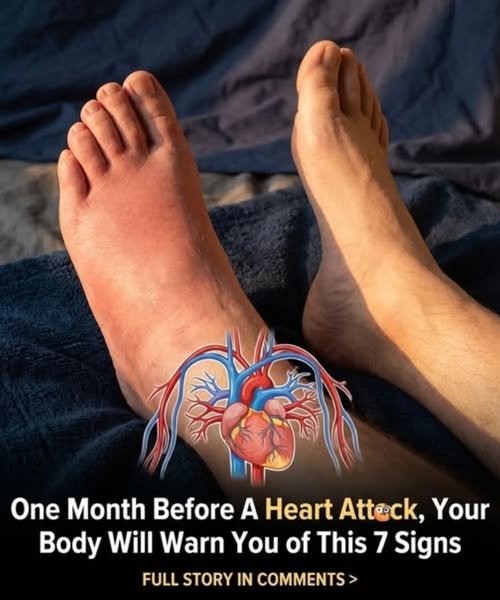
6. Swelling in the Legs or Ankles
Swollen feet, ankles, or legs are more commonly associated with heart failure, kidney disease, or vein problems than with an acute heart attack. However, swelling can indicate that the heart is not pumping efficiently, particularly if it develops along with:
- Shortness of breath
- Fatigue
- Rapid weight gain
- Persistent coughing
A healthcare professional should evaluate these symptoms.
7. Cold, Pale, or Clammy Limbs
Poor blood circulation during a heart attack may cause the arms or legs to feel:
- Cold
- Pale
- Clammy
- Sweaty
These symptoms are especially concerning when combined with chest pain, dizziness, or loss of consciousness.
Other Common Heart Attack Warning Signs
Heart attacks don’t always look the same. In addition to arm discomfort, watch for:
- Chest pressure, tightness, or pain
- Pain spreading to the jaw, neck, shoulder, or back
- Shortness of breath
- Nausea or vomiting
- Cold sweating
- Unusual fatigue
- Lightheadedness or fainting
Women are more likely than men to experience symptoms such as fatigue, nausea, jaw pain, back pain, or shortness of breath without severe chest pain.
Risk Factors for Heart Disease
Certain factors increase the likelihood of a heart attack, including:
- High blood pressure
- High cholesterol
- Diabetes
- Smoking
- Obesity
- Physical inactivity
- Family history of heart disease
- Chronic stress
- Older age
Managing these risk factors through healthy lifestyle habits and regular medical care can reduce your risk.
When to Seek Emergency Care
Call your local emergency services immediately if you or someone else experiences:
- Chest pain lasting more than a few minutes
- Chest discomfort that comes and goes
- Pain spreading to the arms, jaw, neck, or back
- Severe shortness of breath
- Sudden cold sweating
- Fainting or loss of consciousness
Do not attempt to drive yourself to the hospital if you believe you are having a heart attack unless no other option is available.
Prevention Tips
While not all heart attacks can be prevented, these habits can lower your risk:
- Eat a balanced diet rich in fruits, vegetables, whole grains, and lean proteins.
- Exercise regularly, aiming for at least 150 minutes of moderate activity each week.
- Avoid smoking and limit alcohol intake.
- Maintain a healthy weight.
- Control blood pressure, cholesterol, and blood sugar.
- Get adequate sleep and manage stress.
- Follow your healthcare provider’s recommendations for medications and routine checkups.
Final Thoughts
Pain, numbness, weakness, or unusual sensations in the arms—and, less commonly, changes in the legs—can sometimes be associated with a heart attack, especially when they occur alongside chest discomfort, shortness of breath, or other classic symptoms. However, these symptoms are not specific to heart attacks and can result from many other medical conditions. If you experience sudden or unexplained symptoms, especially in combination, seek emergency medical evaluation without delay. Early treatment can be lifesaving.