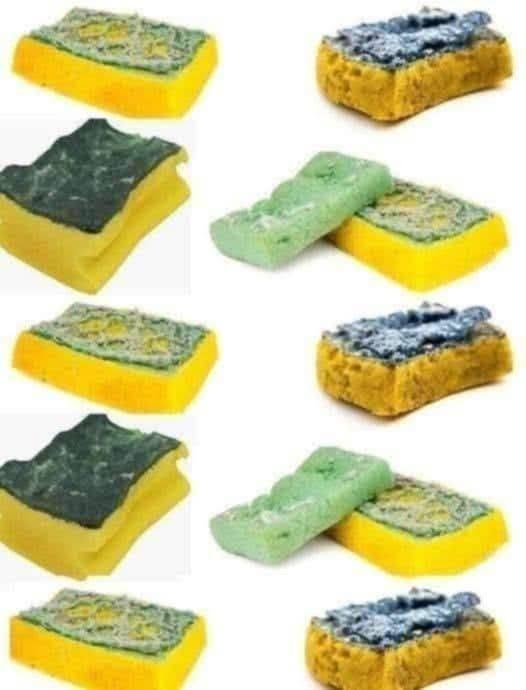
Most kitchen sponges are tossed into the bin as soon as they become worn or are no longer suitable for washing dishes. While you should replace sponges regularly for food hygiene, that doesn’t necessarily mean they have no further use. After a thorough cleaning or by setting aside sponges that are no longer used on food-contact surfaces, they can be repurposed in surprisingly practical ways around the home.
Giving old sponges a second life helps reduce waste, saves money, and makes the most of something you’d otherwise throw away.
First Things First: When Is a Sponge Too Worn Out?
If a sponge is falling apart, has a persistent unpleasant odour, or has been used to clean up raw meat juices or hazardous chemicals, it’s best to dispose of it. Sponges reused around the home should never return to kitchen tasks involving dishes or food preparation.
For general household uses, wash the sponge thoroughly with hot, soapy water and allow it to dry completely before repurposing it.
1. Keep Houseplants Moist
Old sponges are excellent at retaining water. Cut a sponge to fit the bottom of a plant pot (without blocking drainage holes) or place pieces in the base of decorative planters to help retain moisture between waterings. Be careful not to reduce proper drainage, as overly wet soil can harm many plants.
2. Protect Fragile Items During Storage
Cut sponges into small pieces and place them between plates, glassware, ornaments, or other delicate items when packing boxes. They provide soft cushioning that helps prevent scratches and chips.
3. Clean Garden Tools
Use an old sponge to wipe soil from trowels, pruning shears, and hand tools after gardening. Slightly dampening the sponge makes it easier to remove dirt before drying the tools to help prevent rust.
4. Remove Pet Hair
A lightly damp sponge works well for lifting pet hair from upholstered furniture, curtains, and car seats. Simply wipe in one direction and rinse the sponge as needed.
5. Protect Floors and Furniture
Cut sponges into small squares and place them under furniture legs or decorative objects to help reduce scratches on wooden or tiled floors.
6. Make an Ice Pack
Soak a clean sponge in water, place it in a sealed freezer bag, and freeze it. It creates a reusable cold pack that’s less messy than loose ice because the sponge absorbs the water as it melts.
7. Organise Small Tools
Place small pieces of sponge inside toolboxes, craft boxes, or jewellery organisers to cushion delicate items and stop them from rattling around.
8. Help Clean Tight Spaces
Trim a sponge into different shapes to reach awkward corners, window tracks, taps, vents, or other narrow spaces where larger cleaning tools struggle to fit.
9. Protect Sharp Objects
Slide pieces of sponge over scissors, garden pruners, or small hand tools when storing them. This helps protect both the blade and anything stored nearby.
10. Create Fun Children’s Crafts
Clean, unused household sponges can be cut into shapes for painting, stamping, or simple craft projects. Keep these separate from any sponges used for cleaning.
How to Clean a Sponge Before Reusing It
Before giving a sponge a second life:
- Wash it thoroughly with hot water and washing-up liquid.
- Rinse well to remove soap residue.
- Squeeze out excess water.
- Allow it to air-dry completely before storing or reusing.
Remember that even after cleaning, repurposed sponges should be reserved for non-food tasks.
Why Reusing Sponges Makes Sense
Repurposing household items is a simple way to reduce waste while getting more value from everyday products. Although an old sponge may no longer belong at the kitchen sink, it can still serve many useful purposes throughout your home, garden, garage, or craft room.
Final Thoughts
Old sponges may not literally be “worth gold,” but they can certainly save you time, money, and unnecessary waste. From protecting furniture and cleaning hard-to-reach spaces to helping care for plants and tackling pet hair, a worn sponge still has plenty of life left—provided it’s used safely and kept away from food-related tasks.