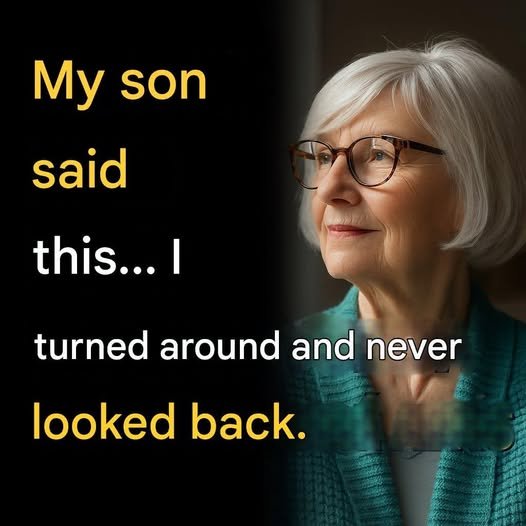
The relationship between parents and adult children can be filled with love, but it can also become complicated as families grow, priorities change, and stress increases. While disagreements are normal, certain repeated phrases may signal unhealthy patterns such as emotional manipulation, disrespect, or attempts to control an older parent’s decisions.
Hearing one of these phrases once during a stressful moment doesn’t necessarily mean there’s a serious problem. However, if these comments become frequent and are accompanied by controlling or abusive behaviour, it may be time to establish healthy boundaries—or remove yourself from the conversation.
Here are seven phrases older adults should pay attention to.
1. “You Owe Me”
Adult children may occasionally ask for help, but repeatedly insisting that a parent “owes” them because they were raised can create an unhealthy sense of guilt.
Parents generally care for their children out of love and responsibility, not with the expectation of repayment. Likewise, adult children should not pressure parents into providing endless financial or emotional support.
Healthy response:
“I’ve always been happy to help you, but I also need to make decisions that are right for my own future.”
2. “You’re Too Old to Make Your Own Decisions”
This phrase can be especially hurtful.
Age alone does not determine a person’s ability to make decisions. Many older adults remain fully capable of managing their finances, healthcare, and daily lives well into their later years.
If someone repeatedly dismisses your opinions simply because of your age, it may be a sign of disrespect rather than genuine concern.
3. “If You Loved Me, You Would…”
This is a classic example of emotional manipulation.
Love should never be used as leverage to pressure someone into giving money, changing a will, providing childcare, or making major life decisions.
Healthy family relationships are built on respect—not guilt.
4. “You’re Just Being Difficult”
Sometimes older adults ask reasonable questions before agreeing to something important, such as:
- Selling a home
- Lending money
- Signing legal documents
- Moving into assisted living
Being cautious doesn’t make someone “difficult.” It means they’re making informed decisions.
Take your time before agreeing to anything significant.
5. “Don’t Tell Anyone About This”
Secrecy can be a warning sign.
Whether it’s about finances, legal paperwork, or family conflicts, being told to keep important matters secret may indicate that something isn’t right.
Trusted family members, friends, or professional advisers can often provide valuable perspective.
6. “Everyone Thinks You’re Losing It”
Statements like this can undermine an older person’s confidence and independence.
If concerns about memory or decision-making are genuine, they should be discussed respectfully and, when appropriate, evaluated by a healthcare professional—not used as a way to intimidate or control someone.
7. “Just Sign Here”
No one should feel rushed into signing:
- Financial documents
- Property transfers
- Loan agreements
- Powers of attorney
- Changes to a will
Always read documents carefully and seek independent legal or financial advice if you have questions.
Taking extra time is far better than regretting a rushed decision later.
When Should You Walk Away?
Walking away doesn’t necessarily mean ending a relationship.
Sometimes it simply means stepping away from an argument until emotions settle or refusing to engage in conversations that involve yelling, threats, or manipulation.
If disrespect becomes a repeated pattern, setting clear boundaries can help protect your emotional well-being.
Remember
Even loving families experience disagreements. These seven phrases are not proof that someone has bad intentions, especially if they occur only once during a stressful situation. The bigger concern is when they appear repeatedly alongside controlling, manipulative, or abusive behaviour.
Healthy families communicate with kindness, respect each other’s independence, and work together to solve problems rather than using guilt or pressure. If you’re unsure whether a situation is becoming emotionally or financially abusive, consider talking with a trusted friend, family member, counsellor, or legal professional for guidance.