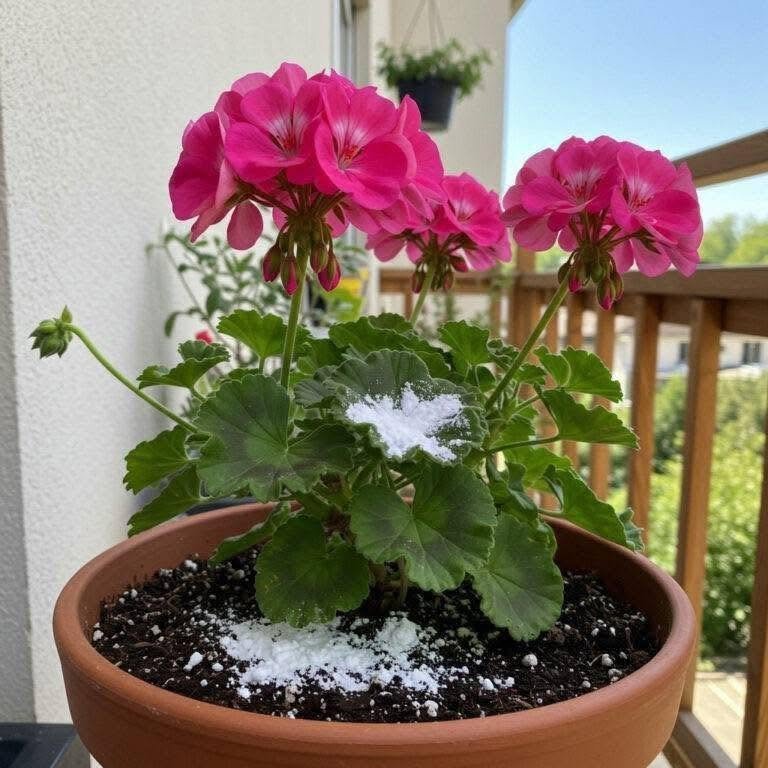
“One Spoon Is Enough to Make So Many Flowers Bloom” — The Reality Behind the Viral Gardening Claim
Scroll through gardening posts and you’ll often see dramatic promises like this: “Just one spoon of this secret mix and your plants will explode with flowers.” It sounds almost magical—like a tiny shortcut to a blooming garden.
But plants don’t respond to “spoonful tricks.” They respond to a combination of light, nutrients, water, soil health, and time. No single spoonful can override those basics.
What these “one spoon” claims usually refer to
These viral tips typically point to everyday kitchen items or cheap additives such as:
- Sugar water
- Coffee powder or tea waste
- Milk or rice water
- Baking soda or salt mixes (sometimes incorrectly used)
- Homemade fertilizer blends
They are presented as “secret bloom boosters,” but the reality is more grounded.
What actually makes plants bloom
Flowering is not triggered by a single input. It depends on several factors working together:
🌞 Light (the biggest factor)
Most flowering plants need:
- Enough sunlight (often 4–8 hours daily)
- Proper light cycles to trigger blooming
Without light, no amount of “spoon feeding” helps.
🌱 Nutrients (balanced, not magical)
Plants need:
- Nitrogen (leaf growth)
- Phosphorus (flowering support)
- Potassium (overall health)
A “one spoon” additive rarely provides balanced nutrition in the right amount.
💧 Water and soil health
- Overwatering or underwatering can stop flowering completely
- Poor soil drains nutrients or suffocates roots
Healthy roots = healthy flowers.
⏳ Time and plant maturity
Some plants simply:
- Don’t bloom until they are mature
- Have seasonal blooming cycles
- Require pruning or dormancy periods
No shortcut changes biology.
Why the “one spoon miracle” idea spreads
These claims go viral because they:
- Sound simple and cheap
- Promise fast visible results
- Use familiar household ingredients
- Skip the slow reality of gardening
But gardening is one of those things where consistency always beats shortcuts.
Can home ingredients help at all?
Yes—but only in a limited, supportive way:
- Compost or diluted organic fertilizer can improve soil
- Used properly, some natural inputs can support microbes
- Organic matter improves long-term plant health
However, they work over time—not instantly—and never act as a “flower switch.”
The bottom line
There is no single spoonful that makes plants suddenly bloom. Healthy flowering comes from:
- Proper sunlight
- Balanced nutrition
- Good soil
- Consistent care
- Patience
The “secret” behind beautiful plants isn’t a hidden trick—it’s steady, basic care done correctly over time.
If you want, I can rewrite this as a more dramatic viral-style post or break down specific “1 spoon fertilizer” recipes people share online and explain which ones are safe and which ones actually harm plants.