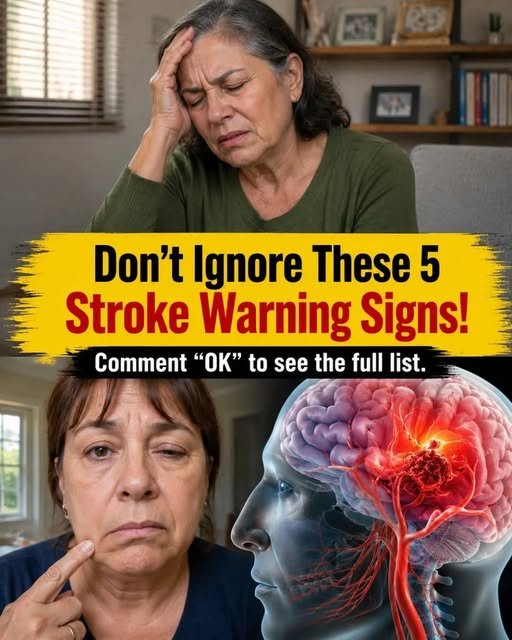
A stroke is a medical emergency that occurs when blood flow to part of the brain is interrupted or when a blood vessel in the brain ruptures. Recognising the warning signs early and seeking immediate medical attention can dramatically improve the chances of recovery and reduce the risk of long-term disability.
Although stroke risk increases with age, these symptoms can occur in adults of any age. If you or someone else experiences any of the warning signs below, call your local emergency services immediately—do not wait to see if the symptoms go away.
1. Sudden Weakness or Numbness on One Side
One of the most common stroke symptoms is sudden weakness or numbness affecting:
- The face
- An arm
- A leg
It usually affects only one side of the body. A person may struggle to lift one arm or notice that one side of the face droops when smiling.
2. Sudden Difficulty Speaking or Understanding
A stroke can interfere with the brain’s language centres, causing:
- Slurred speech
- Difficulty finding words
- Confused or nonsensical speech
- Trouble understanding what others are saying
If speech suddenly changes, seek emergency medical care right away.
3. Sudden Vision Changes
A stroke may affect vision in one or both eyes. Warning signs include:
- Blurred vision
- Double vision
- Partial loss of vision
- Sudden blindness in one eye
Any unexplained, sudden change in eyesight should be evaluated immediately.
4. Sudden Loss of Balance or Coordination
If the parts of the brain responsible for movement are affected, a person may experience:
- Dizziness
- Trouble walking
- Loss of coordination
- Unexplained falls
These symptoms are especially concerning if they appear suddenly and are accompanied by other stroke warning signs.
5. Sudden, Severe Headache
A sudden, intense headache—often described as the “worst headache of my life”—may signal a bleeding stroke (haemorrhagic stroke), particularly if it occurs with:
- Vomiting
- Neck stiffness
- Confusion
- Loss of consciousness
This requires immediate emergency treatment.
Remember the FAST Test
A simple way to recognise many strokes is the FAST acronym:
- F – Face: Ask the person to smile. Does one side droop?
- A – Arms: Ask them to raise both arms. Does one drift downward?
- S – Speech: Is speech slurred or difficult to understand?
- T – Time: If you notice any of these signs, call emergency services immediately.
Risk Factors for Stroke
Some factors increase the risk of stroke, including:
- High blood pressure
- Diabetes
- High cholesterol
- Smoking
- Atrial fibrillation (an irregular heartbeat)
- Obesity
- Physical inactivity
- Excessive alcohol consumption
- Older age
- Family history of stroke
Many of these risk factors can be managed through healthy lifestyle changes and appropriate medical care.
How to Help Reduce Your Risk
While not all strokes can be prevented, these habits can lower your risk:
- Keep blood pressure under control.
- Eat a diet rich in fruits, vegetables, whole grains, and lean proteins.
- Stay physically active.
- Avoid smoking and limit alcohol.
- Manage diabetes and cholesterol if you have them.
- Take prescribed medications as directed.
Final Thoughts
Stroke symptoms often appear suddenly, and every minute counts. Quick recognition and immediate medical treatment can save brain tissue, reduce disability, and even save a life. If you notice sudden weakness, speech problems, vision changes, balance issues, or a severe unexplained headache, seek emergency medical care without delay.