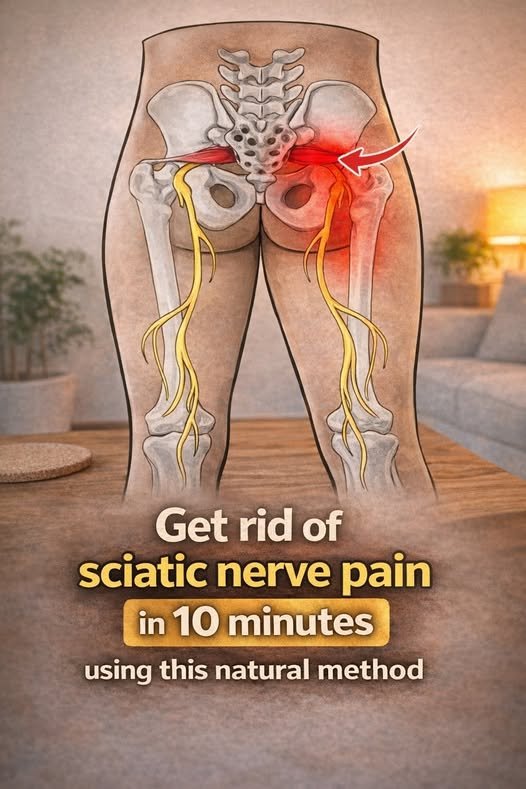
Sciatica is a common condition that causes pain, tingling, numbness, or weakness along the path of the sciatic nerve—the longest nerve in the body. The discomfort typically starts in the lower back or buttock and can travel down one leg, making everyday activities like walking, sitting, or standing uncomfortable.
While sciatica often improves with time and conservative care, gentle stretches and healthy habits may help ease discomfort for many people. If your symptoms are severe, persistent, or accompanied by significant weakness or loss of bladder or bowel control, seek medical attention promptly.
What Causes Sciatica?
Sciatica is a symptom rather than a disease itself. It occurs when the sciatic nerve becomes irritated or compressed. Common causes include:
- A herniated or bulging spinal disc
- Spinal stenosis (narrowing of the spinal canal)
- Degenerative disc disease
- Muscle tightness, especially in the piriformis muscle
- Pregnancy-related changes
- Injury or prolonged sitting
Knowing the underlying cause is important because treatment may vary depending on the source of the nerve irritation.
Common Symptoms
Sciatica can affect people differently, but common symptoms include:
- Sharp, burning, or shooting pain from the lower back into the leg
- Tingling or “pins and needles” sensations
- Numbness in the leg or foot
- Muscle weakness
- Pain that worsens after prolonged sitting
- Discomfort when coughing or sneezing
Most people experience symptoms on only one side of the body.
Gentle At-Home Stretches
Move slowly and stop if a stretch causes sharp or worsening pain.
1. Knee-to-Chest Stretch
This stretch helps relax the lower back.
How to do it:
- Lie on your back with your knees bent.
- Pull one knee toward your chest.
- Hold for 20–30 seconds.
- Repeat with the other leg.
Repeat 3–5 times on each side.
2. Piriformis Stretch
A tight piriformis muscle can sometimes irritate the sciatic nerve.
Steps:
- Lie on your back.
- Cross one ankle over the opposite knee.
- Gently pull the supporting thigh toward your chest.
- Hold for 20–30 seconds.
Repeat several times.
3. Seated Hamstring Stretch
Tight hamstrings may increase tension on the lower back.
- Sit on the edge of a chair.
- Extend one leg with the heel on the floor.
- Keep your back straight.
- Lean forward slightly until you feel a gentle stretch.
Hold for 20 seconds and repeat.
4. Cat-Cow Stretch
This gentle movement improves flexibility in the spine.
- Begin on your hands and knees.
- Arch your back upward like a cat.
- Slowly lower your belly while lifting your head and chest.
- Continue for 8–10 slow repetitions.
5. Standing Back Extension
If sitting makes your symptoms worse, this movement may provide relief for some people.
- Stand upright.
- Place your hands on your lower back.
- Slowly lean backward.
- Return to the starting position.
Repeat 5–10 times if comfortable.
Helpful Lifestyle Tips
Stay Active
Complete bed rest is usually not recommended for most cases of sciatica. Gentle walking and light movement often help maintain flexibility and reduce stiffness.
Improve Your Sitting Posture
If you spend long hours sitting:
- Keep both feet flat on the floor.
- Support your lower back with a cushion if needed.
- Stand up and stretch every 30–60 minutes.
Apply Heat or Cold
Some people find relief with:
- Cold packs during the first 24–48 hours after pain begins.
- Heat packs afterward to relax tight muscles.
Apply for about 15–20 minutes at a time, protecting your skin with a cloth.
Sleep Comfortably
Sleeping on your side with a pillow between your knees or on your back with a pillow under your knees may help reduce pressure on the lower back.
Maintain a Healthy Weight
Carrying excess body weight can place additional stress on the spine and may contribute to back pain over time.
When to See a Healthcare Professional
Seek medical evaluation if you experience:
- Severe or worsening pain
- Persistent symptoms lasting several weeks
- Significant leg weakness
- Numbness that spreads or worsens
- Difficulty controlling your bladder or bowels (this requires emergency care)
- Pain following a serious injury
A healthcare provider may recommend physical therapy, imaging tests, medications, or other treatments depending on the cause of your symptoms.
Can Sciatica Be Prevented?
While not all cases are preventable, you can lower your risk by:
- Exercising regularly
- Strengthening your core muscles
- Practicing good posture
- Lifting heavy objects correctly
- Avoiding prolonged sitting
- Stretching regularly if you have a desk job
Final Thoughts
Sciatica can be painful, but many people improve with time, gentle movement, and healthy self-care. Simple stretches, staying active, maintaining good posture, and avoiding prolonged inactivity may help reduce discomfort and support recovery.
Remember, if your pain is severe, keeps returning, or is accompanied by weakness or loss of bladder or bowel control, don’t rely on home remedies alone—consult a healthcare professional for an accurate diagnosis and appropriate treatment.