A healthy relationship isn’t just good for your emotional well-being—it can also play an important role in your physical health. One area that’s often overlooked is cervical health. While many people associate cervical health only with routine Pap tests, the habits couples share can significantly influence the risk of cervical disease.
Understanding how lifestyle choices, sexual health, and preventive care work together can help couples protect their health and strengthen their relationship.
What Is the Cervix?
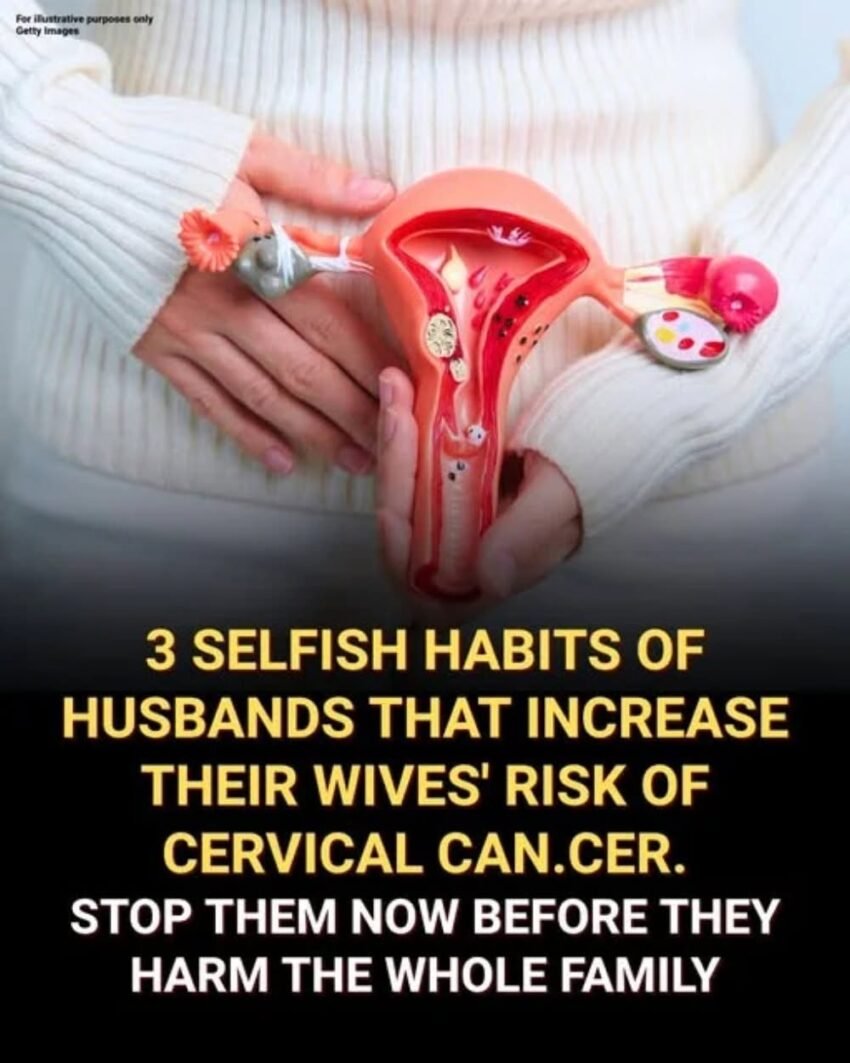
The cervix is the lower, narrow part of the uterus that connects to the vagina. It plays an essential role in reproduction, menstruation, and pregnancy. Like any part of the body, the cervix can develop health problems, including infections, inflammation, and cervical cancer.
The good news is that many cervical conditions are preventable or highly treatable when detected early.
The Link Between Relationships and Cervical Health
Many factors influence cervical health, but relationship habits can also make a difference. Healthy communication, safe sexual practices, and mutual support all contribute to reducing health risks.
Here are some important habits every couple should understand.
1. Practice Safe Sex
One of the biggest risk factors for cervical cancer is persistent infection with human papillomavirus (HPV). HPV is a very common sexually transmitted infection, and while most infections clear naturally, some high-risk types can lead to changes in cervical cells over time.
Using condoms can help reduce the risk of HPV transmission and protect against many other sexually transmitted infections (STIs). Although condoms don’t eliminate HPV risk completely because the virus can spread through skin-to-skin contact, they remain an important part of safer sex.
2. Consider HPV Vaccination
The HPV vaccine is one of the most effective ways to reduce the risk of cervical cancer and several other HPV-related cancers. Vaccination is recommended for adolescents and young adults, and some adults may also benefit depending on their age and individual circumstances.
Couples can discuss vaccination with their healthcare provider to determine whether it’s appropriate for them.
3. Support Regular Cervical Screening
Routine cervical screening is one of the best tools for preventing cervical cancer. Screening tests can detect abnormal cells before they become cancerous, allowing treatment at an early stage.
Partners can play an important role by encouraging regular healthcare visits and supporting each other in staying up to date with recommended screenings.
4. Be Honest About Sexual Health
Open communication builds trust and promotes healthier relationships. Couples should feel comfortable discussing:
- Sexual history
- Previous sexually transmitted infections
- HPV vaccination status
- Any unusual symptoms
- Routine health checkups
Honest conversations help both partners make informed decisions about their health.
5. Don’t Ignore Unusual Symptoms
Many cervical conditions cause no symptoms in their early stages, which is why routine screening is so important. However, certain symptoms should always be evaluated by a healthcare professional.
These include:
- Bleeding after sex
- Bleeding between menstrual periods
- Unusual vaginal discharge
- Pelvic pain
- Pain during intercourse
These symptoms don’t necessarily indicate cervical cancer, but they should never be ignored.
6. Quit Smoking Together
Smoking damages cells throughout the body, including those of the cervix. Research has shown that smoking increases the risk of cervical cancer, particularly in people with persistent HPV infection.
Quitting smoking benefits both partners and supports overall reproductive health.
7. Maintain a Healthy Lifestyle
A healthy immune system plays an important role in helping the body clear HPV infections naturally.
Couples can support each other by:
- Eating plenty of fruits and vegetables
- Exercising regularly
- Maintaining a healthy weight
- Managing stress
- Getting enough sleep
- Limiting alcohol consumption
Healthy habits strengthen the immune system and contribute to overall well-being.
Common Myths About Cervical Health
Myth: Only women with multiple partners get cervical cancer.
Fact: Anyone with a cervix who has been exposed to HPV can develop cervical cell changes. HPV is extremely common, and even people with few lifetime partners can become infected.
Myth: If I have no symptoms, my cervix is healthy.
Fact: Early cervical changes usually cause no symptoms, making regular screening essential.
Myth: Cervical cancer can’t be prevented.
Fact: HPV vaccination, routine screening, and prompt treatment of abnormal cervical cells have significantly reduced cervical cancer rates in many countries.
How Partners Can Help
Supporting cervical health isn’t solely the responsibility of one partner. Healthy relationships involve teamwork.
Simple ways partners can help include:
- Encouraging routine medical appointments.
- Practicing safer sex.
- Respecting each other’s health decisions.
- Learning about HPV and cervical cancer together.
- Offering emotional support during medical visits or treatment if needed.
Final Thoughts
Cervical health is an important part of overall well-being, and healthy relationship habits can make a meaningful difference. Open communication, safer sexual practices, HPV vaccination, regular cervical screening, and healthy lifestyle choices all work together to reduce the risk of cervical disease.
The strongest relationships are built on trust, respect, and caring for one another’s health. By making prevention a shared priority, couples can take meaningful steps toward protecting not only cervical health but their overall quality of life.
Remember, routine checkups and cervical screening remain the most effective ways to detect problems early. If you experience unusual symptoms or have questions about your cervical health, consult a qualified healthcare professional without delay.