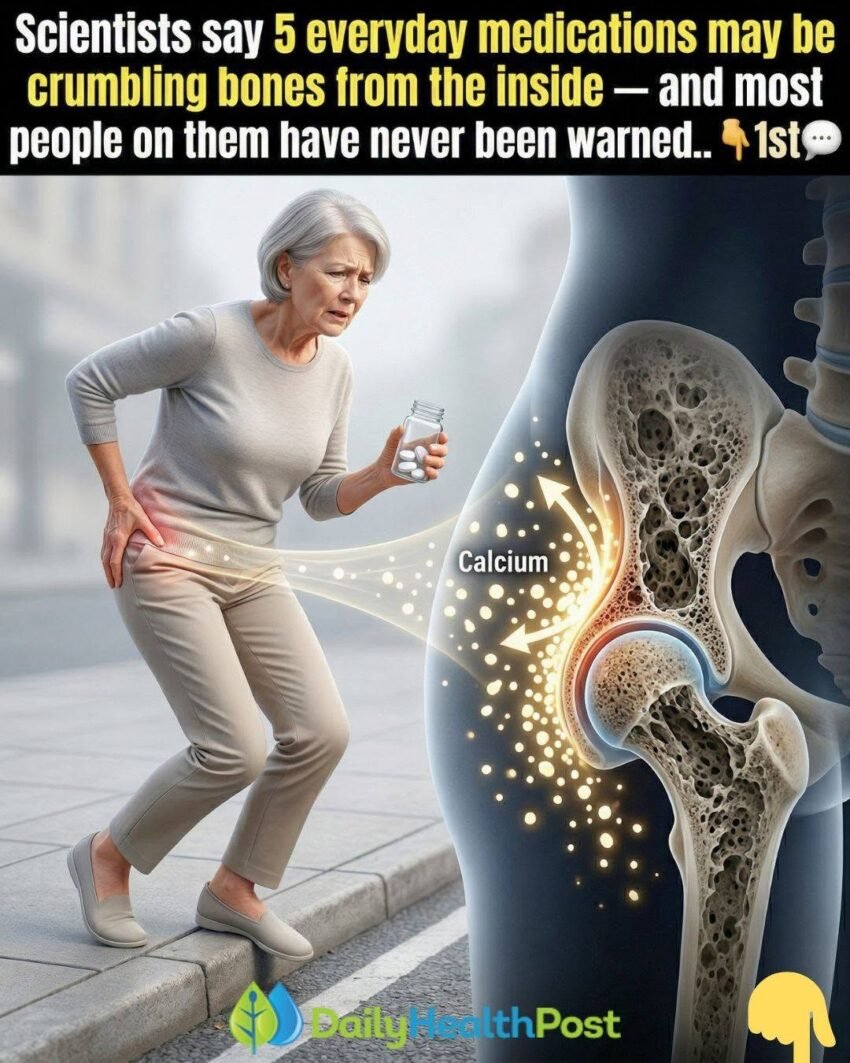
Scientists Say 5 Everyday Medications May Be Crumbling Bones From the Inside — And Most People Have Never Been Warned
Millions of people take prescription and over-the-counter medications every day without realizing that some common drugs may have unintended effects on bone health. While these medications can be highly effective for treating chronic conditions, research suggests that long-term use of certain drugs may contribute to bone loss, reduced bone density, and an increased risk of fractures.
It’s important to note that no one should stop taking a prescribed medication without consulting a healthcare professional. However, understanding the potential risks can help patients have informed discussions with their doctors and take steps to protect their bones.
Why Bone Health Matters
Bones are living tissues that constantly rebuild themselves. Throughout life, old bone is broken down and replaced with new bone. When this balance is disrupted, bones can gradually become weaker and more fragile, increasing the risk of osteoporosis and fractures.
Several medications may interfere with this natural process, affecting how the body absorbs calcium, uses vitamin D, or maintains healthy bone structure.
1. Proton Pump Inhibitors (PPIs)
Proton pump inhibitors are commonly used to treat acid reflux, heartburn, and stomach ulcers. Examples include medications such as Omeprazole and Esomeprazole.
How They May Affect Bones
Long-term use of PPIs may reduce calcium absorption by lowering stomach acid levels. Some studies have linked prolonged use, especially at high doses, to an increased risk of hip, wrist, and spine fractures.
What to Discuss With Your Doctor
- Whether long-term use is necessary
- The lowest effective dose
- Alternative treatments when appropriate
- Calcium and vitamin D intake
2. Corticosteroids
Corticosteroids such as Prednisone are often prescribed for inflammatory conditions, asthma, autoimmune disorders, and allergies.
How They May Affect Bones
These medications are among the best-known causes of medication-related bone loss. They can decrease bone formation, increase bone breakdown, and reduce calcium absorption.
Potential Risks
Even a few months of continuous use may contribute to measurable bone loss, particularly at higher doses.
3. Certain Antidepressants
Some research has found associations between long-term use of selective serotonin reuptake inhibitors (SSRIs) and lower bone density.
Common examples include:
- Sertraline
- Fluoxetine
- Citalopram
Why Researchers Are Concerned
Scientists are still investigating the exact mechanisms, but serotonin appears to play a role in bone metabolism. Some studies suggest that long-term SSRI use may be associated with increased fracture risk, particularly in older adults.
4. Anti-Seizure Medications
Certain medications used for epilepsy and seizure disorders may affect vitamin D metabolism and calcium balance.
Examples include:
- Phenytoin
- Carbamazepine
Impact on Bone Health
Over time, reduced vitamin D levels can contribute to lower bone mineral density and a higher risk of fractures if not properly monitored and managed.
5. Some Diabetes Medications
Certain older diabetes treatments have been linked to increased fracture risk in some studies.
One example is:
- Pioglitazone
What Research Suggests
Evidence indicates that long-term use may increase fracture risk, particularly among postmenopausal women. Researchers believe these drugs may influence how bone cells develop and function.
Who Should Be Most Concerned?
The risk of medication-related bone loss tends to be higher among:
- Adults over age 50
- Postmenopausal women
- People with a family history of osteoporosis
- Individuals with low calcium or vitamin D intake
- Smokers
- People with a sedentary lifestyle
- Those taking multiple medications that affect bone health
How to Protect Your Bones
If you’re taking one of these medications, there are several proactive steps you can discuss with your healthcare provider:
Maintain Adequate Calcium Intake
Calcium is essential for preserving bone strength. Good dietary sources include dairy products, leafy greens, fortified foods, and certain fish.
Get Enough Vitamin D
Vitamin D helps the body absorb calcium effectively. Safe sun exposure, fortified foods, and supplements may help maintain healthy levels when recommended by a healthcare professional.
Stay Physically Active
Weight-bearing exercises such as walking, dancing, hiking, and strength training can help maintain bone density and reduce fracture risk.
Ask About Bone Density Testing
For individuals at higher risk, a bone mineral density scan may help identify early bone loss before fractures occur.
The Bottom Line
Several widely used medications have been associated with reduced bone density or increased fracture risk, especially when used long term. This does not mean these drugs should be avoided or discontinued, as their benefits often outweigh the risks. Instead, awareness is key. If you’re taking any of these medications and have concerns about your bone health, a conversation with your healthcare provider can help determine whether monitoring, lifestyle changes, or preventive measures are appropriate for your situation.