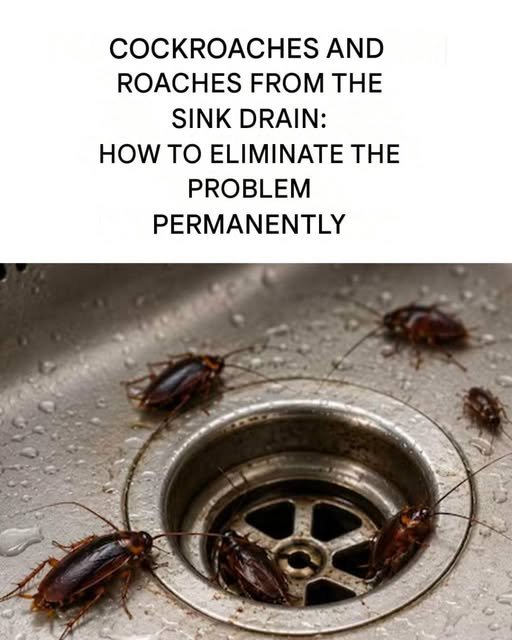
Finding cockroaches or insects in your home can be frustrating. Many people immediately reach for expensive sprays and chemical solutions, only to find that the problem returns again and again. While commercial insect products can be useful when used correctly, some homeowners also look for simple household methods to help make their spaces less attractive to pests.
One popular approach is using strong-smelling natural ingredients that insects tend to avoid. However, it’s important to understand that these methods usually work best as part of a larger pest-control routine, not as a guaranteed solution on their own.
Let’s look at a simple scent-based method and how to use it properly.
Why Do Strong Smells Affect Insects?
Many insects, including cockroaches, have highly sensitive antennae that help them detect odors, food sources, and changes in their environment.
Strong scents may interfere with their ability to navigate or may make an area less appealing. This is why certain smells are often used in homemade pest-deterrent recipes.
A Simple Homemade Scent Repellent
One common household option is a mixture using peppermint essential oil.
You’ll need:
- 1 cup of water
- 10–15 drops of peppermint essential oil
- A spray bottle
How to use it:
- Add water and peppermint oil to the spray bottle.
- Shake well before each use.
- Spray lightly around areas where insects may enter or hide, such as:
- Door frames
- Window edges
- Baseboards
- Cracks and corners
- Areas under sinks
Avoid spraying directly on food preparation surfaces unless the area is cleaned afterward.
Other Scents People Commonly Use
Some households use scents such as:
Citrus
Lemon and orange scents are often used for their fresh smell and cleaning properties.
Bay Leaves
Some people place bay leaves in cabinets or drawers as a traditional insect deterrent.
Vinegar
Vinegar is commonly used for cleaning and removing odors, though it is not a guaranteed insect killer.
Clove or Cinnamon Scents
Strong spices are sometimes used in homemade repellents because many insects dislike intense aromas.
The Most Important Step: Remove What Attracts Cockroaches
A scent alone usually won’t solve an infestation. Cockroaches are attracted by food, water, and hiding places.
To make your home less inviting:
Keep Food Sealed
Store grains, snacks, and pet food in airtight containers.
Clean Crumbs Quickly
Even tiny food particles can attract pests.
Fix Leaks
Cockroaches need water to survive, so repair dripping faucets and pipes.
Seal Entry Points
Check gaps around:
- Pipes
- Doors
- Windows
- Cabinets
Take Out Garbage Regularly
Trash provides both food and shelter for insects.
How to Use Pest Sprays Safely
If you choose to use commercial insect sprays:
- Always follow the product label.
- Keep sprays away from children and pets.
- Avoid spraying near food, plates, or cooking areas.
- Do not mix different chemical products together.
- Ventilate rooms after using sprays.
Final Thoughts
A fresh-smelling home is pleasant, and certain strong scents may help discourage insects from settling in specific areas. However, the most effective long-term strategy is combining any scent-based method with good cleaning habits, proper food storage, and sealing possible entry points.
Small daily actions can make a big difference—and they can help reduce the need for frequent, expensive pest-control products.