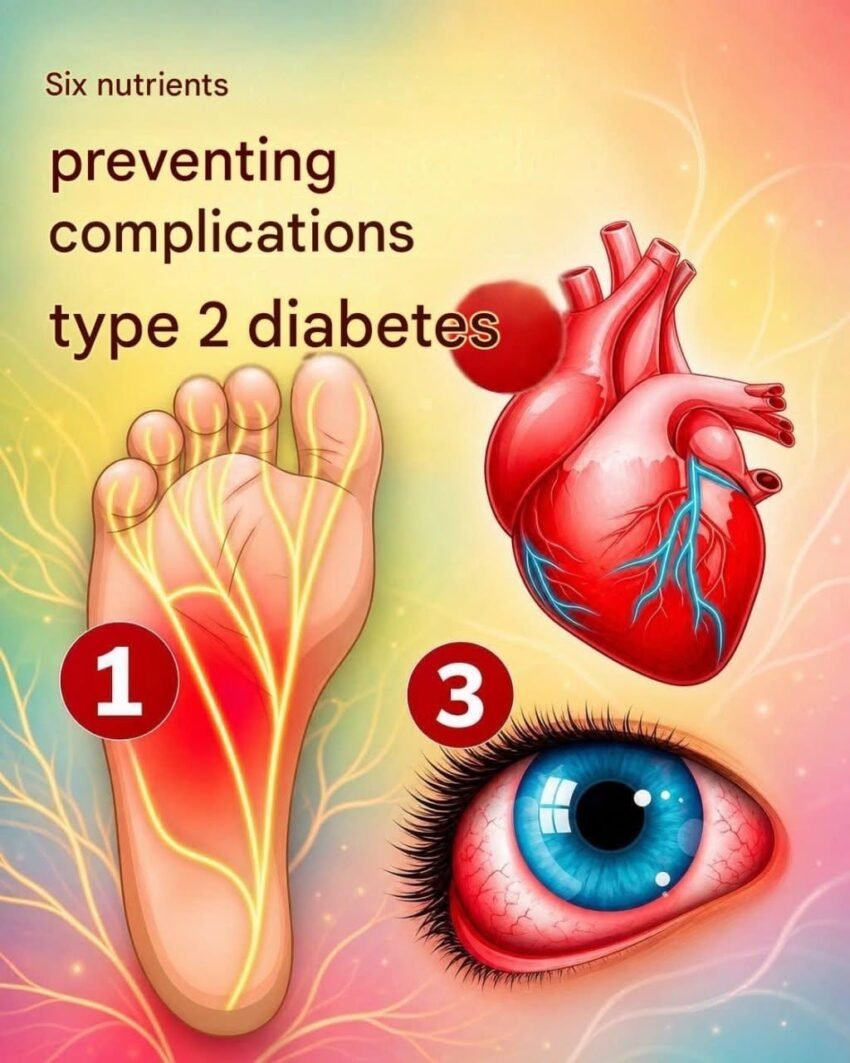
People with diabetes benefit from a balanced diet that helps control blood sugar, blood pressure, cholesterol, and inflammation. No single nutrient can prevent complications on its own, but these nutrients play important roles in diabetes management.
1. Fiber
How it helps:
- Slows digestion and the rise of blood glucose after meals
- Helps improve insulin sensitivity
- Supports healthy cholesterol levels and gut health
Good sources:
- Beans and lentils
- Oats and whole grains
- Vegetables
- Fruits with edible skins (such as apples and berries)
- Nuts and seeds
Goal: Many adults should aim for about 25–38 grams of fiber per day (individual needs vary).
2. Omega-3 fatty acids
How it helps:
- Supports heart health, which is especially important because diabetes increases cardiovascular risk
- May help reduce inflammation
Good sources:
- Fatty fish (salmon, sardines, mackerel)
- Walnuts
- Flaxseeds and chia seeds
3. Magnesium
How it helps:
- Plays a role in insulin action and glucose metabolism
- Low magnesium levels are associated with poorer blood sugar control in some people
Good sources:
- Almonds and other nuts
- Pumpkin seeds
- Spinach and leafy greens
- Beans
- Whole grains
4. Vitamin D
How it helps:
- Important for immune function and overall health
- Low vitamin D levels are associated with a higher risk of insulin resistance in some studies
Good sources:
- Sunlight exposure (where appropriate)
- Fortified foods
- Egg yolks
- Fatty fish
A supplement may be needed if a blood test shows deficiency.
5. Antioxidants (such as vitamins C and E, and plant compounds)
How they help:
- Help protect cells from oxidative stress, which is involved in diabetes-related tissue damage
- Support overall vascular health
Good sources:
- Colorful vegetables (peppers, spinach, carrots)
- Berries
- Citrus fruits
- Nuts and seeds
6. Protein
How it helps:
- Helps maintain muscle mass
- Can improve fullness and support better meal balance
- Helps reduce sharp blood sugar spikes when combined with carbohydrates
Good sources:
- Fish and poultry
- Eggs
- Greek yogurt
- Tofu
- Beans and lentils
- Nuts
Other key nutrients to pay attention to
- Potassium: Helps support healthy blood pressure (found in bananas, beans, vegetables, and potatoes)
- Calcium: Important for bones and muscle function
- Water: Helps prevent dehydration, especially when blood sugar is high
Important note
For diabetes, the overall eating pattern matters more than individual nutrients. Managing carbohydrate portions, choosing minimally processed foods, taking prescribed medicines, staying active, and monitoring blood glucose are all important for preventing complications such as kidney disease, nerve damage, eye disease, and heart disease.