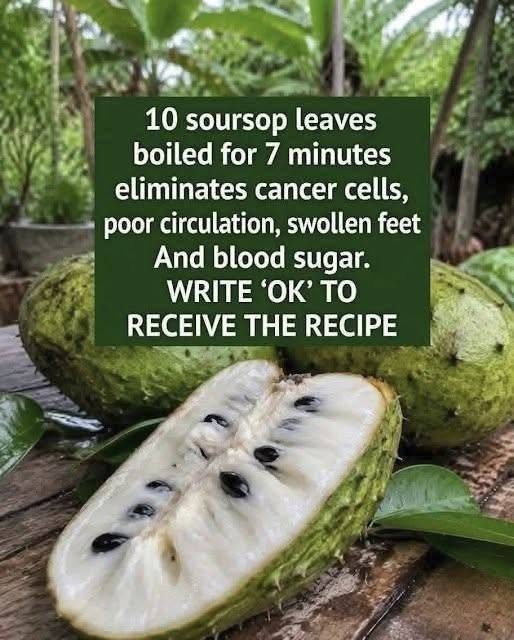
Herbal teas have been part of traditional wellness practices for centuries, and one that has gained significant attention in recent years is soursop leaf tea. Often praised on social media for its supposed healing powers, this tropical herbal drink has been linked to everything from better sleep to cancer prevention. But how much of that is backed by science?
In this article, we’ll explore what soursop leaf tea is, how to prepare it, its traditional uses, what current research says, and the potential risks you should know before adding it to your daily routine.
What Is Soursop Leaf Tea?
Soursop leaf tea is made by steeping the leaves of the soursop tree (Annona muricata), also known as graviola or guanábana. Native to tropical regions of the Americas, the tree is famous for its large, spiky green fruit with creamy white flesh. While the fruit is widely enjoyed, the leaves have long been used in traditional herbal medicine.
The leaves naturally contain plant compounds such as flavonoids, polyphenols, alkaloids, and acetogenins. These compounds have attracted scientific interest because some have shown biological activity in laboratory studies. However, laboratory findings do not automatically translate into proven health benefits for people.
How to Make Soursop Leaf Tea
Making soursop leaf tea at home is simple and requires only a few ingredients.
Ingredients
- 5–10 fresh soursop leaves (washed thoroughly), or 1–2 teaspoons of dried leaves
- 500–750 ml of water
- Honey, lemon, or ginger (optional)
Method
- Bring the water to a boil.
- Add the fresh or dried leaves.
- Reduce the heat and let the leaves simmer for 10–20 minutes.
- Remove from the heat and allow the tea to steep for another 5–10 minutes.
- Strain the leaves and serve warm.
Many people enjoy adding honey, fresh lemon juice, or ginger to improve the flavour.
Traditional Uses of Soursop Leaf Tea
Across the Caribbean, South America, Southeast Asia, and parts of Africa, soursop leaf tea has been used in traditional medicine for generations. Common traditional uses include:
- Promoting relaxation and better sleep
- Supporting digestion
- Relieving mild joint pain
- Helping reduce fever
- Supporting general wellness
- Managing high blood pressure
- Assisting with blood sugar control
It’s important to remember that traditional use reflects cultural experience rather than scientific proof.
What Does Science Actually Say?
Although soursop leaf tea has become popular as a natural remedy, the scientific evidence is still limited. Here’s what current research tells us.
Rich in Antioxidants
Soursop leaves contain antioxidants that help protect cells from oxidative stress in laboratory studies. Antioxidants are important because they help neutralise harmful free radicals that can damage cells over time.
While this is encouraging, researchers still need well-designed human studies to determine whether drinking the tea provides meaningful health benefits.
May Have Anti-Inflammatory Properties
Animal and laboratory studies suggest that compounds found in soursop leaves may reduce inflammation.
However, these findings have not yet been confirmed in large human clinical trials, so more research is needed before making health recommendations.
Potential Effects on Blood Sugar
Some animal studies have found that soursop leaf extracts may help lower blood sugar levels.
Although these results are promising, there is currently insufficient evidence to recommend soursop leaf tea as a treatment for diabetes. People taking diabetes medication should also be cautious, as combining herbal remedies with medication could increase the risk of low blood sugar.
Possible Blood Pressure Benefits
Early research suggests soursop leaf compounds may help relax blood vessels, potentially lowering blood pressure.
Again, the available evidence comes mainly from laboratory and animal studies. People who already take blood pressure medication should speak with their healthcare provider before using soursop leaf tea regularly.
Can Soursop Leaf Tea Treat Cancer?
This is perhaps the most widely shared—and most misunderstood—claim surrounding soursop.
Laboratory research has shown that certain compounds extracted from soursop leaves can destroy cancer cells in test tubes. However, this does not mean that drinking soursop leaf tea can treat or cure cancer.
Cancer cells grown in a laboratory behave very differently from cancer in the human body. To date, there are no high-quality clinical trials proving that soursop leaf tea is an effective cancer treatment in people.
Health experts agree that soursop should never replace evidence-based cancer treatments such as surgery, chemotherapy, radiotherapy, immunotherapy, or targeted therapies.
Are There Any Side Effects?
Although soursop leaf tea is natural, that doesn’t automatically make it safe for everyone.
Possible side effects may include:
- Nausea
- Upset stomach
- Dizziness
- Low blood pressure
- Low blood sugar
- Interactions with prescription medications
Researchers have also raised concerns about acetogenins, naturally occurring compounds found in soursop that may contribute to nerve damage when consumed in large amounts over long periods. More human research is needed, but moderation is advised.
Who Should Avoid Soursop Leaf Tea?
You should consult a healthcare professional before drinking soursop leaf tea if you:
- Are pregnant or breastfeeding
- Have diabetes
- Have low blood pressure
- Take blood pressure or diabetes medications
- Have liver or kidney disease
- Have a neurological condition
Because safety data are limited, healthcare providers generally recommend caution for people with chronic health conditions.
Can You Drink It Every Day?
There is currently no established safe daily intake for soursop leaf tea.
Enjoying it occasionally is likely lower risk than consuming it every day for months or years. Until more research becomes available, it’s best to avoid excessive or long-term use.
As with many herbal products, moderation is key.
Final Thoughts
Soursop leaf tea is a fascinating herbal beverage with deep roots in traditional medicine and an impressive profile of plant compounds. Early laboratory research suggests it may have antioxidant and anti-inflammatory properties, but strong human evidence supporting many of its popular health claims is still lacking.
If you enjoy soursop leaf tea, think of it as a pleasant herbal drink rather than a proven medicine. It can certainly be part of a balanced lifestyle, but it should never replace professional medical care or prescribed treatments.
As research continues, we may learn more about the true health potential of this tropical herbal tea. Until then, the best approach is to enjoy it responsibly, stay informed, and rely on evidence-based healthcare for managing serious medical conditions.
Disclaimer: This article is for informational purposes only and should not be considered medical advice. Always consult a qualified healthcare professional before using herbal remedies, especially if you have an existing medical condition, are pregnant or breastfeeding, or take prescription medications.