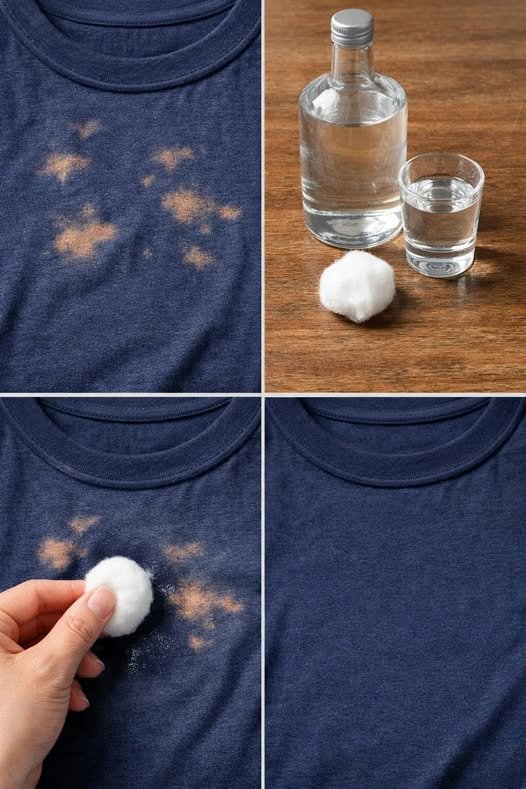
Discovering a bleach stain on your favorite shirt, dress, or pair of jeans can be frustrating. While bleach permanently removes color from fabric, that doesn’t always mean the garment is beyond saving. With a few simple techniques, you can restore its appearance or creatively transform it into something you’ll still love to wear.
Why Bleach Stains Are Different
Unlike ordinary stains, bleach doesn’t leave behind a substance that can be washed away. Instead, it removes the dye from the fabric, leaving lighter or white spots. Because of this, the goal isn’t to remove the stain—it’s to restore or disguise the lost color.
1. Neutralize Any Remaining Bleach
If the bleach spill is fresh, rinse the area thoroughly with cool water. Then wash the garment according to the care label to ensure any remaining bleach is removed.
2. Restore the Color
For small bleach spots, use a fabric marker or permanent fabric dye that closely matches the garment’s original color. Test it on a hidden area first to make sure the shade blends well.
3. Dye the Entire Garment
If there are multiple bleach stains or large faded areas, consider dyeing the entire piece of clothing. A fabric dye can give your garment a fresh, even color and make the bleach marks virtually unnoticeable.
4. Get Creative
Turn the bleach marks into a design instead of trying to hide them. Tie-dye patterns, fabric paint, embroidery, decorative patches, or iron-on appliqués can give old clothing a unique and stylish new look.
5. Know When It’s Time to Replace It
If the bleach has weakened the fabric or created holes, repairing the color won’t restore the material’s strength. In that case, it may be best to recycle the fabric into cleaning cloths or craft projects.
Tips to Prevent Future Bleach Accidents
- Store bleach separately from laundry detergents.
- Wear old clothes when using bleach for cleaning.
- Always dilute bleach according to the product instructions.
- Handle bleach carefully to avoid splashes.
- Wash your hands after using bleach before touching clothing.
Final Thoughts
A bleach stain doesn’t always mean your favorite clothes are ruined. Whether you restore the color, dye the garment, or turn the mark into a creative design, there are plenty of ways to give your clothing a second life. A little effort can save money, reduce waste, and keep your wardrobe looking great.
Disclaimer: Results may vary depending on the fabric type, color, and extent of the bleach damage. Always test dyes, markers, or repair methods on a hidden area before treating the entire garment.