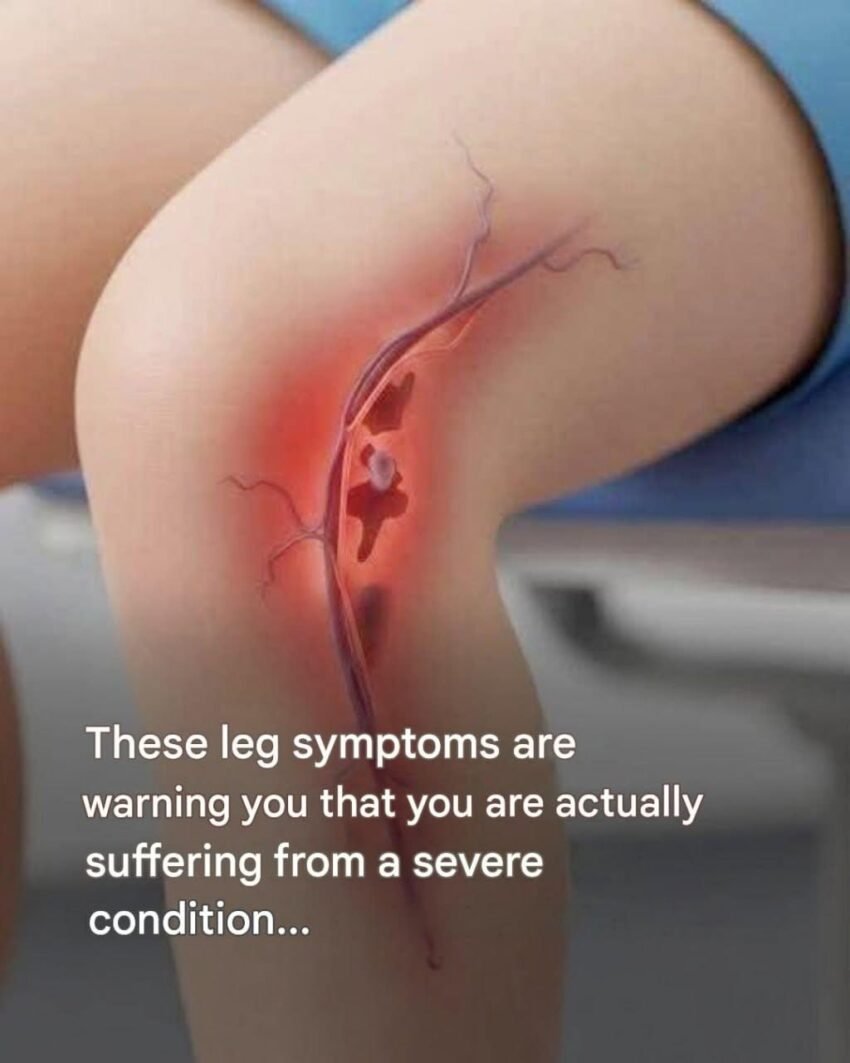
A blood clot, also known as thrombosis, can be life-threatening if it blocks blood flow to vital organs or travels to the lungs. While blood clots are the body’s natural way of stopping bleeding after an injury, clots that form inside blood vessels without a good reason can become dangerous.
Recognizing the warning signs early and getting prompt medical attention can make a significant difference in treatment and recovery.
What Is Thrombosis?
Thrombosis occurs when a blood clot forms inside a vein or artery.
There are two common types:
- Deep Vein Thrombosis (DVT): A clot forms in a deep vein, usually in the leg.
- Pulmonary Embolism (PE): A clot breaks loose and travels to the lungs, blocking blood flow. This is a medical emergency.
Common Symptoms of Deep Vein Thrombosis (DVT)
A clot in the leg may cause one or more of the following symptoms:
1. Swelling in One Leg
One leg may suddenly become swollen, especially in the calf or thigh.
The swelling often affects only one side.
2. Leg Pain or Tenderness
Pain may:
- Feel like a cramp or soreness.
- Worsen while standing or walking.
- Begin in the calf.
3. Warm Skin
The affected area may feel warmer than the surrounding skin.
4. Red or Discolored Skin
Skin may appear:
- Red
- Purple
- Bluish (depending on skin tone)
5. Enlarged Surface Veins
Veins near the skin may become more noticeable.
Symptoms of a Pulmonary Embolism (Medical Emergency)
If a blood clot travels to the lungs, symptoms may include:
- Sudden shortness of breath
- Sharp chest pain that may worsen with deep breathing
- Rapid heartbeat
- Cough, sometimes with blood
- Feeling lightheaded or faint
- Sudden sweating
- Anxiety or a sense that something is seriously wrong
Call your local emergency services immediately if these symptoms occur.
Blood Clot Symptoms in the Arm
Although less common, clots can also develop in the arm.
Possible symptoms include:
- Swelling
- Pain
- Warmth
- Skin discoloration
- Visible veins
Blood Clot Symptoms in the Brain
A clot affecting the brain can cause a stroke.
Watch for sudden:
- Weakness or numbness on one side of the body
- Difficulty speaking
- Trouble understanding speech
- Vision changes
- Severe headache
- Loss of balance or coordination
These symptoms require emergency medical care.
Blood Clot Symptoms in the Abdomen
A clot in abdominal blood vessels may cause:
- Severe abdominal pain
- Nausea
- Vomiting
- Bloody stool
- Swollen abdomen
Immediate evaluation is necessary.
Who Is at Higher Risk?
Risk factors include:
- Long periods of sitting or bed rest
- Recent surgery or injury
- Pregnancy and the weeks after childbirth
- Smoking
- Obesity
- Older age
- Certain cancers
- Hormonal medications, such as some birth control pills or hormone therapy
- A personal or family history of blood clots
- Certain inherited clotting disorders
Having one or more risk factors does not mean you will develop a clot, but it may increase your risk.
When Should You Seek Medical Care?
Contact a healthcare professional promptly if you notice symptoms suggestive of a deep vein thrombosis, such as new swelling, pain, warmth, or redness in one leg.
Seek emergency medical care immediately if you experience:
- Sudden shortness of breath
- Chest pain
- Coughing up blood
- Fainting
- Signs of a stroke (such as facial drooping, arm weakness, or speech difficulty)
These symptoms may indicate a life-threatening condition.
How Are Blood Clots Diagnosed?
A healthcare provider may recommend:
- Ultrasound (commonly for DVT)
- CT scan or CT pulmonary angiography (for suspected pulmonary embolism)
- Blood tests, such as a D-dimer (used alongside other clinical information)
- MRI or other imaging in selected cases
Treatment Options
Treatment depends on the type and location of the clot and may include:
- Blood-thinning medications (anticoagulants)
- Clot-dissolving medications in certain emergencies
- Compression stockings for some people with DVT
- Procedures to remove or treat the clot in selected cases
Always follow your healthcare provider’s recommendations.
Can Blood Clots Be Prevented?
You may be able to lower your risk by:
- Staying physically active
- Walking regularly during long trips
- Drinking enough fluids
- Maintaining a healthy weight
- Not smoking
- Following medical advice after surgery or hospitalization
- Taking prescribed blood thinners if recommended
Final Thoughts
Blood clots can range from mild to life-threatening, and early recognition is important. Symptoms such as swelling, pain, warmth, and redness in one leg may suggest a deep vein thrombosis, while sudden shortness of breath, chest pain, or coughing up blood may indicate a pulmonary embolism and require emergency care.
If you think you may have symptoms of a blood clot, seek medical evaluation promptly rather than trying to diagnose or treat it yourself.
SEO Keywords: symptoms of thrombosis, severe blood clot symptoms, deep vein thrombosis signs, pulmonary embolism symptoms, leg blood clot warning signs, DVT symptoms, blood clot in leg, clot symptoms, thrombosis treatment, blood clot prevention.