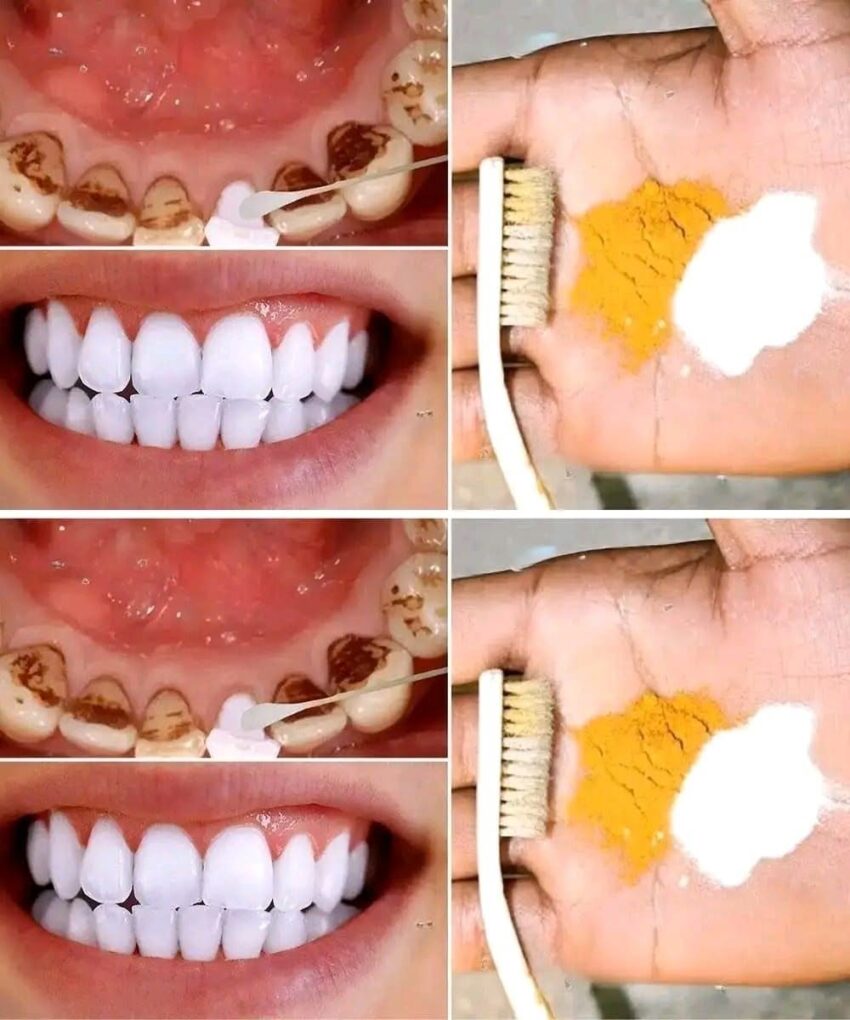
Learn safe and effective home teeth whitening remedies, including methods that may help remove surface stains and brighten your smile. Discover what works, what doesn’t, and how to protect your teeth while whitening at home.
Home Teeth Whitening Remedies
Many people want a brighter smile without the cost of professional whitening treatments. While home remedies can help reduce some surface stains, it’s important to choose methods that are safe and supported by dental evidence. Some popular internet remedies can actually damage tooth enamel and make teeth more sensitive.
Safe Home Whitening Methods
1. Brush with Whitening Toothpaste
Whitening toothpastes contain mild abrasives and ingredients that help remove surface stains from coffee, tea, wine, and tobacco.
How to use:
- Brush twice daily.
- Use a soft-bristled toothbrush.
- Follow the product instructions.
Results are gradual and usually noticeable after several weeks.
2. Baking Soda Toothpaste
Baking soda has mild abrasive properties that can help remove surface stains.
How to use:
- Mix a small amount of baking soda with water to form a paste.
- Brush gently for 1–2 minutes.
- Rinse thoroughly.
Limit use to a few times per week to avoid excessive abrasion.
3. Over-the-Counter Whitening Strips
Whitening strips containing peroxide are generally more effective than DIY remedies because they can lighten stains beneath the tooth surface.
Follow the manufacturer’s instructions carefully and discontinue use if significant sensitivity develops.
4. Improve Daily Oral Hygiene
Preventing stains is often as important as removing them.
- Brush twice daily.
- Floss daily.
- Rinse after consuming coffee, tea, or red wine.
- Avoid tobacco products.
- Schedule regular dental cleanings.
Foods That May Help Reduce Surface Stains
While foods don’t truly whiten teeth, crunchy fruits and vegetables can help clean tooth surfaces.
Examples include:
- Apples
- Carrots
- Celery
- Cucumbers
These foods stimulate saliva production, which helps wash away food particles.
Remedies to Avoid
Lemon Juice
Lemon juice is highly acidic and can erode tooth enamel, making teeth more vulnerable to discoloration and sensitivity.
Activated Charcoal
There is limited evidence that charcoal whitens teeth effectively. Its abrasive nature may wear away enamel over time.
Hydrogen Peroxide Mouth Rinses (Homemade)
Using concentrated or improperly diluted peroxide solutions can irritate gums and oral tissues.
Apple Cider Vinegar
Like lemon juice, vinegar is acidic and can damage enamel with repeated use.
When Professional Whitening May Be Better
Home remedies are most effective for mild surface stains. Professional treatment may be a better option if you have:
- Deep yellow or brown staining
- Stains caused by medications
- Uneven discoloration
- Dental restorations (crowns, veneers, fillings) that don’t respond to whitening
A dentist can recommend treatments tailored to your teeth and oral health.
Final Thoughts
The safest home approaches to teeth whitening are good oral hygiene, whitening toothpaste, and dentist-approved whitening products. Be cautious with highly acidic or abrasive DIY remedies, as they can damage enamel and increase sensitivity. For significant whitening results, professionally supervised treatments or peroxide-based whitening products tend to be the most effective options. If you have sensitive teeth, gum disease, or dental work, consult a dentist before starting any whitening regimen.