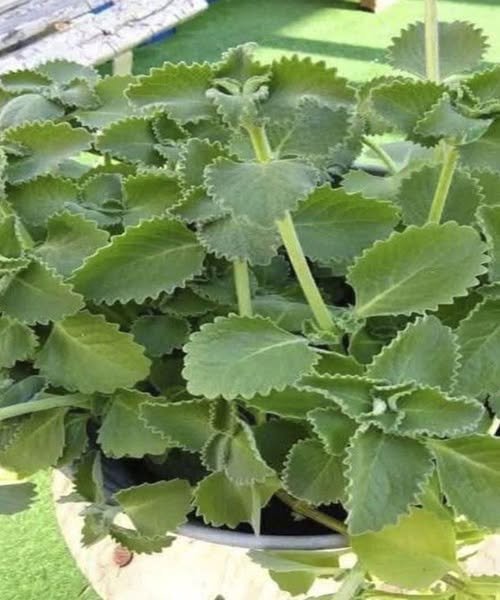
Oregano is a fragrant herb from the mint family that is widely used in cooking and has been studied for its potential health properties. It can be eaten fresh or dried and is commonly found in Mediterranean, Italian, Greek, and Mexican cuisines.
Nutritional profile
A typical serving of dried oregano (about 1 teaspoon, or 1 gram) contains:
- Very few calories (about 3)
- Small amounts of dietary fiber
- Vitamin K
- Vitamin A
- Vitamin C
- Calcium
- Iron
- Manganese
- Potassium
Because oregano is usually consumed in small amounts, it contributes modestly to overall nutrient intake.
Bioactive compounds
Oregano contains several naturally occurring plant compounds, including:
- Carvacrol – studied for antimicrobial and antioxidant effects.
- Thymol – may help inhibit the growth of certain microorganisms in laboratory studies.
- Rosmarinic acid – an antioxidant that may help protect cells from oxidative stress.
- Flavonoids and phenolic compounds – contribute to antioxidant activity.
Potential health benefits
Research suggests oregano may have several beneficial properties, although much of the evidence comes from laboratory or animal studies.
1. Antioxidant effects
- Oregano contains compounds that help neutralize free radicals, which can damage cells over time.
2. Antimicrobial activity
- Laboratory studies have shown oregano extracts and oregano oil can inhibit the growth of some bacteria and fungi.
- These findings do not mean that eating oregano will treat infections in people.
3. Anti-inflammatory properties
- Some compounds in oregano may reduce inflammatory processes in experimental studies.
- More human research is needed.
4. Digestive support
- Oregano has traditionally been used to support digestion and reduce gas or bloating.
- Scientific evidence in humans is limited.
Oregano in cooking
Oregano pairs well with:
- Pizza and pasta sauces
- Grilled chicken or fish
- Roasted vegetables
- Soups and stews
- Salads
- Marinades
- Bread and herb mixes
Oregano oil vs. the herb
There is a significant difference between culinary oregano and oregano oil.
- Dried or fresh oregano: Safe for most people when eaten as food.
- Oregano essential oil: Highly concentrated and should not be swallowed unless under medical supervision. Undiluted essential oils can cause irritation or toxicity.
- Oregano oil supplements: May interact with certain medications and are not proven to treat diseases.
Safety
Eating oregano as part of a normal diet is generally safe for most people.
Some people should use caution:
- Individuals allergic to plants in the mint family (such as basil, sage, mint, or lavender).
- People taking blood-thinning medications, because oregano contains vitamin K and certain compounds that may affect blood clotting.
- Pregnant or breastfeeding individuals should avoid high-dose oregano supplements unless advised by a healthcare professional.
Does eating oregano make something “organic”?
No. Eating oregano does not make your body or food “organic.” The term organic refers to agricultural production methods used to grow food. Whether oregano is labeled organic or conventionally grown depends on how it was farmed, not on what happens when you eat it.
Overall, oregano is a flavorful herb with beneficial plant compounds and is a healthy addition to a balanced diet, but it should not be viewed as a cure or treatment for medical conditions.