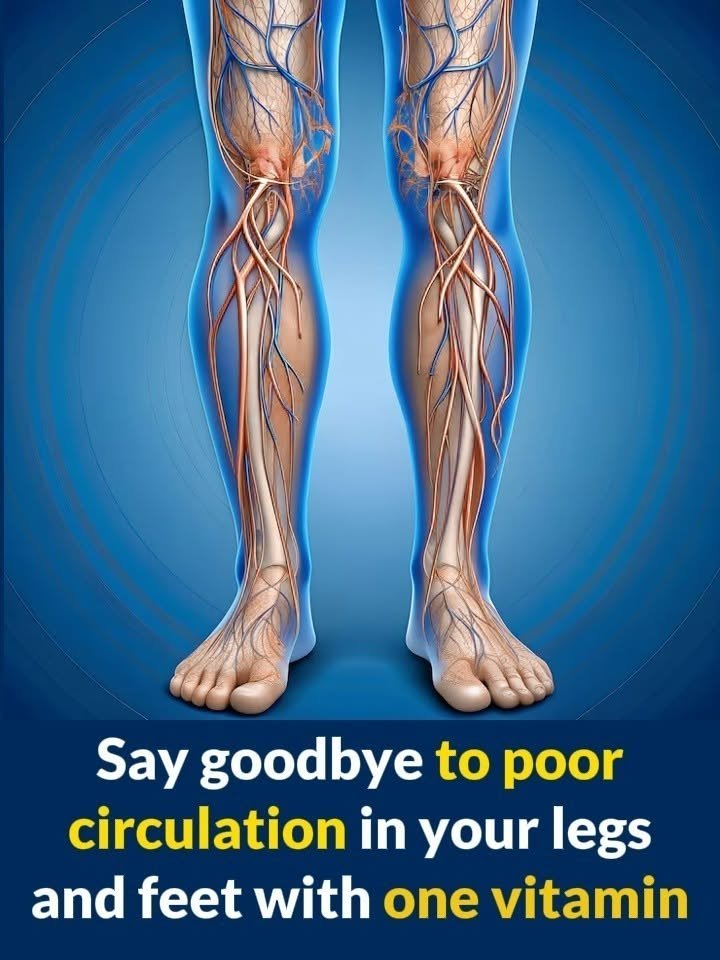
Poor circulation in the legs and feet can leave you with cold toes, numbness, tingling, muscle cramps, or discomfort while walking. Because these symptoms can interfere with daily life, many people search for a vitamin that can “fix” the problem. One nutrient that often comes up is vitamin B3, also known as niacin.
But is vitamin B3 really the best vitamin for improving circulation? The answer is more complex than many online headlines suggest.
What Is Poor Circulation?
Poor circulation means blood isn’t flowing as efficiently as it should to certain parts of the body. It can result from several underlying conditions, including:
- Peripheral artery disease (PAD)
- Diabetes
- High cholesterol
- Smoking
- High blood pressure
- Obesity
- Lack of physical activity
- Certain blood vessel disorders
Because the causes vary, improving circulation usually requires treating the underlying condition rather than relying on a single vitamin.
What Is Vitamin B3?
Vitamin B3, or niacin, is a water-soluble vitamin that helps your body:
- Convert food into energy
- Support normal nerve function
- Maintain healthy skin
- Aid many important cellular processes
Niacin is naturally found in foods such as:
- Chicken
- Turkey
- Tuna
- Salmon
- Beef
- Peanuts
- Mushrooms
- Brown rice
- Fortified cereals
Most people who eat a balanced diet get enough vitamin B3 from food.
Can Vitamin B3 Improve Circulation?
Vitamin B3 can cause blood vessels near the skin to widen temporarily, producing the well-known “niacin flush”—a feeling of warmth, redness, or tingling.
Although this flushing effect increases blood flow to the skin for a short time, it does not mean vitamin B3 treats poor circulation caused by conditions such as peripheral artery disease or blocked arteries.
Prescription forms of niacin have been used in the past to help manage cholesterol in selected patients, but they are not routinely recommended solely to improve circulation, and they can cause side effects. They should only be taken under the guidance of a healthcare professional.
Signs You May Have Poor Circulation
Poor circulation may cause:
- Cold feet or toes
- Numbness or tingling
- Muscle cramps while walking
- Leg pain that improves with rest
- Slow-healing sores
- Changes in skin color
- Weakness in the legs
- Hair loss on the lower legs in some cases
Because these symptoms can have many causes, it’s important to get a proper diagnosis rather than self-treating.
Other Nutrients That Support Overall Vascular Health
While no vitamin can cure poor circulation on its own, several nutrients play important roles in overall cardiovascular and nerve health.
Vitamin B12
A deficiency can lead to nerve damage, numbness, tingling, and weakness. Correcting a deficiency may improve symptoms if low B12 is the cause.
Vitamin D
Low vitamin D levels have been associated with reduced muscle strength and may contribute to mobility problems in some people.
Vitamin C
Vitamin C supports healthy blood vessels by helping the body produce collagen, an important component of vessel walls.
Vitamin E
Vitamin E acts as an antioxidant, but high-dose supplements are not appropriate for everyone, especially people taking blood-thinning medications. Always seek medical advice before using high-dose vitamin E supplements.
Lifestyle Habits That Can Improve Circulation
Healthy habits often have a greater impact on circulation than supplements alone.
These include:
- Walking or exercising regularly.
- Quitting smoking if you smoke.
- Managing diabetes, blood pressure, and cholesterol.
- Maintaining a healthy weight.
- Eating a balanced diet rich in fruits, vegetables, whole grains, and healthy fats.
- Staying hydrated.
For people with peripheral artery disease, supervised exercise programs are often recommended because they can improve walking ability over time.
When Should You See a Doctor?
Seek medical evaluation if you experience:
- Persistent leg pain while walking.
- Cold, pale, or blue feet.
- Non-healing sores or ulcers.
- Severe numbness.
- Sudden pain, swelling, or color changes in one leg.
- Chest pain or shortness of breath.
These symptoms may indicate an underlying medical condition that requires prompt treatment.
Final Thoughts
Vitamin B3 is an essential nutrient that supports many important functions in the body, and it can temporarily widen blood vessels near the skin, causing a flushing sensation. However, there is no strong evidence that vitamin B3 alone can treat poor circulation in the legs and feet, particularly when the problem is caused by blocked arteries or chronic disease.
If you’re experiencing ongoing symptoms of poor circulation, the best approach is to identify and treat the underlying cause. A healthy lifestyle, proper medical care, and a balanced diet rich in essential nutrients are far more effective than relying on any single vitamin. Always consult your healthcare provider before starting high-dose vitamin supplements, especially if you have existing medical conditions or take prescription medications.