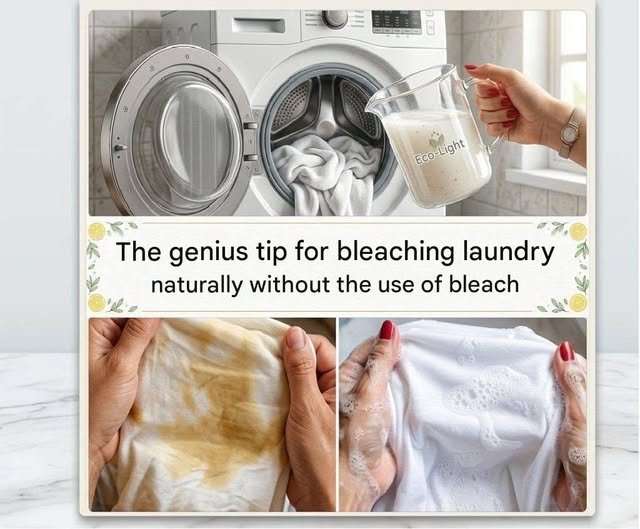
Bright, fresh-looking laundry doesn’t have to come at the cost of harsh chemicals. While chlorine bleach has long been the go-to solution for whitening clothes, many people are now looking for gentler, more natural alternatives that are safer for fabrics, skin, and the environment. The good news? You can achieve beautifully bright laundry using simple household ingredients and the power of sunlight.
Why Skip Chlorine Bleach?
Although bleach is effective at removing stains and whitening fabrics, frequent use can weaken fibres, cause yellowing over time, and irritate sensitive skin. It can also damage certain fabrics, making clothes wear out faster. Choosing natural whitening methods helps preserve your garments while reducing exposure to harsh chemicals.
The Secret Ingredient: Lemon Juice
Lemon juice is one of nature’s most effective fabric brighteners. Its natural citric acid helps break down stains, lift dullness, and restore whiteness without damaging most washable fabrics.
How to Use It
- Fill a bucket or sink with warm water.
- Add half to one cup of fresh lemon juice.
- Soak white clothing for one to two hours.
- Wash as usual using your regular laundry detergent.
- For even better results, dry the clothes in direct sunlight.
The combination of lemon juice and sunlight creates a gentle bleaching effect that naturally brightens fabrics.
Baking Soda: A Laundry Essential
Baking soda is another excellent natural whitening agent. It helps remove odours, soften water, and enhance your detergent’s cleaning power.
How to Use It
Add half a cup of baking soda directly to your washing machine along with your normal detergent. It works especially well on white towels, bed sheets, and cotton clothing.
Hydrogen Peroxide: A Gentle Alternative
Hydrogen peroxide (3%) is often considered a safer alternative to chlorine bleach. It helps lift stains and brighten whites while being less aggressive on fabrics.
Directions
Add one cup of 3% hydrogen peroxide to the washing machine before starting the wash cycle. It works particularly well on cotton and linen fabrics.
Always check garment care labels first and spot-test delicate fabrics before using hydrogen peroxide.
The Power of Sunlight
One of the oldest and most effective natural whitening methods is simply drying clothes outdoors. Ultraviolet rays naturally help lighten stains and brighten white fabrics while leaving laundry smelling fresh.
Whenever possible, hang white laundry in direct sunlight after washing for the best whitening effect.
Vinegar for Brighter Clothes
White vinegar won’t bleach fabrics, but it helps dissolve detergent residue and mineral deposits that make clothes appear dull.
Add half a cup of white vinegar during the rinse cycle to leave clothes looking cleaner, feeling softer, and smelling fresher.
Tips for Best Results
- Separate white clothes from coloured garments before washing.
- Treat stains as soon as possible.
- Avoid using too much detergent, as residue can make whites look grey.
- Wash whites regularly instead of allowing stains to set.
- Use warm water for cotton fabrics when the care label allows.
Benefits of Natural Laundry Whitening
Natural whitening methods offer several advantages:
- Gentler on fabrics, helping clothes last longer.
- Suitable for people with sensitive skin.
- More environmentally friendly.
- Affordable, using ingredients already found in many homes.
- Free from the strong chemical smell associated with chlorine bleach.
Final Thoughts
Keeping white clothes bright doesn’t require harsh chemicals. Simple ingredients such as lemon juice, baking soda, white vinegar, and hydrogen peroxide, combined with the natural bleaching power of sunlight, can restore freshness and brightness to your laundry. By switching to these gentle methods, you can protect your clothes, reduce chemical use, and enjoy naturally cleaner, brighter laundry every wash.