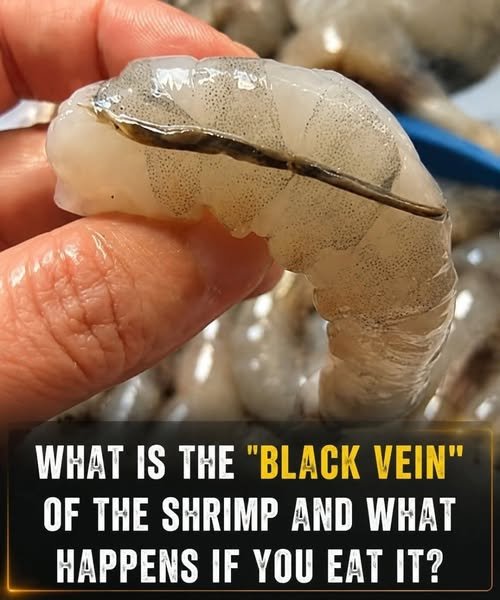
If you’ve ever peeled a shrimp and noticed a dark line running along its back, you may have wondered what it is—and whether it’s safe to eat. Some cooks carefully remove it every time, while others leave it in without a second thought. So who’s right?
The answer is a little more nuanced than you might think. Here’s everything you need to know about the mysterious dark line in shrimp.
What Is the Dark Line?
The dark line on the back of a shrimp is its digestive tract, often called the vein, although it isn’t actually a vein.
This narrow tube runs from the shrimp’s head to its tail and contains whatever the shrimp has recently eaten, along with waste material. Depending on the shrimp’s diet, the tract may appear black, brown, green, or even nearly transparent.
Is It Safe to Eat?
Yes—for most people, the digestive tract is perfectly safe to eat when the shrimp has been properly handled, stored, and thoroughly cooked.
Cooking destroys most harmful bacteria that could be present. Many restaurants and home cooks regularly serve smaller shrimp without removing the tract because it’s difficult to see and doesn’t significantly affect the eating experience.
However, if the shrimp is undercooked or spoiled, no amount of cleaning will make it safe to eat.
Why Do Some Cooks Remove It?
Although it’s safe, many chefs still prefer to devein shrimp for several reasons.
Better Appearance
A dark line running down the middle of an otherwise pink, white shrimp isn’t particularly attractive. Removing it gives shrimp a cleaner, more elegant presentation.
Improved Texture
In large shrimp, the digestive tract can sometimes feel gritty or sandy, especially if it contains sediment the shrimp consumed on the ocean floor.
Cleaner Flavor
Most shrimp taste exactly the same whether deveined or not. Occasionally, however, a full digestive tract can contribute a slightly bitter or muddy flavor.
When You Can Skip Deveining
Not every shrimp needs to be deveined.
You can often leave the tract intact if:
- You’re using very small shrimp.
- The tract is thin or nearly invisible.
- The shrimp will be chopped into salads, pasta, or stir-fries.
- You’re cooking a casual family meal where appearance isn’t critical.
Many frozen shrimp sold in supermarkets are already peeled and deveined, saving you the extra work.
When It’s Worth Removing
You’ll probably want to devein shrimp if:
- You’re serving jumbo or extra-large shrimp.
- The dark line is thick and obvious.
- You’re preparing shrimp cocktail or another dish where presentation matters.
- The tract looks especially full or gritty.
How to Devein Shrimp
Removing the digestive tract is surprisingly simple.
- Peel the shrimp if desired.
- Using a small paring knife, make a shallow slit along the back.
- Locate the dark line.
- Lift it out with the tip of the knife or a toothpick.
- Rinse the shrimp briefly under cold running water.
The process usually takes less than a minute per shrimp.
What About the Underside?
Some shrimp also have a lighter-colored line along the belly. This is not the digestive tract—it’s part of the shrimp’s nervous system and is much smaller. Most cooks leave it alone because it isn’t noticeable after cooking.
Does Every Shrimp Have One?
Yes, every shrimp has a digestive tract. However, it isn’t always visible.
Farm-raised shrimp, recently cleaned shrimp, or shrimp that haven’t eaten recently may have a digestive tract that’s almost transparent.
Is It a Sign of Freshness?
Not really.
A visible dark line doesn’t mean a shrimp is fresh or old. It simply means the digestive tract contains material.
To judge freshness, look instead for:
- A mild, clean ocean smell.
- Firm flesh.
- No slimy coating.
- No strong ammonia odor.
Common Myths
Myth: The dark line is a vein filled with blood.
Fact: Shrimp have an open circulatory system, and the dark line is their digestive tract—not a blood vessel.
Myth: Eating it is dangerous.
Fact: Properly cooked shrimp with the tract intact is generally safe to eat.
Myth: Every shrimp must be deveined.
Fact: Deveining is mostly a matter of preference, especially for smaller shrimp.
The Bottom Line
The dark line in shrimp isn’t a vein at all—it’s the digestive tract. While it’s generally safe to eat after proper cooking, many cooks remove it for cosmetic reasons, improved texture, and a cleaner taste.
If you’re preparing large shrimp for guests or want the best presentation, deveining is worth the extra minute. For small shrimp in everyday meals, it’s largely optional. Either way, the most important step is choosing fresh shrimp and cooking them thoroughly for a delicious and safe seafood dish.