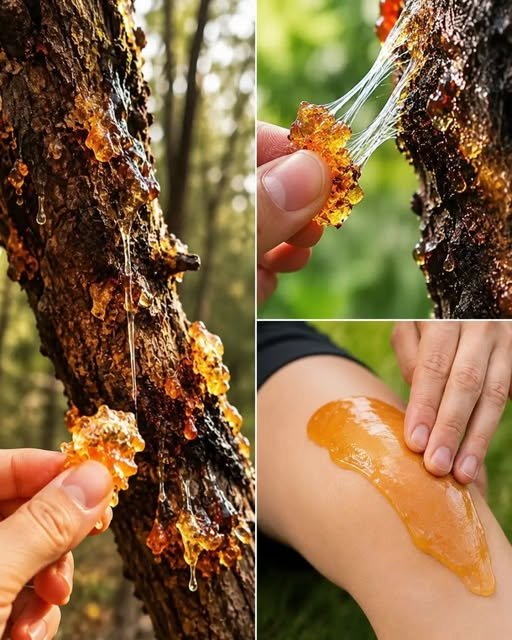
For centuries, peach resin has been treasured in parts of Asia as a natural ingredient believed to support hydration, skin health, and overall wellness. Often called peach gum or peach tree resin, this amber-colored substance forms naturally on the bark of peach trees when the tree experiences minor damage. Once cleaned and soaked, it develops a soft, jelly-like texture that has become a popular ingredient in traditional desserts and herbal preparations.
Today, peach resin is gaining attention worldwide as a natural, minimally processed food. While many traditional claims surround its health benefits, scientific evidence is still developing. Rather than viewing peach resin as a miracle remedy, it is best appreciated as a nutritious ingredient that can complement a balanced diet.
What Is Peach Resin?
Peach resin is a hardened, translucent sap produced by peach trees (Prunus persica). The tree releases this sap as part of its natural healing process after cuts, insect activity, or environmental stress.
Once harvested, the resin is:
- Cleaned to remove bark and debris
- Dried naturally
- Soaked in water for several hours
- Cooked until soft and gelatinous
Its mild flavor makes it ideal for both sweet and savory recipes.
Nutritional Profile of Peach Resin
Although peach resin is not a major source of vitamins or protein, it contains natural plant compounds that contribute to its popularity in traditional cuisine.
It may provide:
- Natural plant polysaccharides
- Small amounts of minerals such as calcium, magnesium, and potassium (amounts vary by source)
- Trace antioxidants
- Soluble fiber-like compounds
- Naturally low fat
- Cholesterol-free
Because its exact nutritional composition depends on growing conditions and processing, values can vary considerably.
Why Is Peach Resin Called a Mineral-Rich Soother?
The phrase “mineral-rich soother” comes mainly from traditional use rather than proven medical effects. Peach resin contains naturally occurring plant gums that absorb water and create a smooth, gel-like texture. This quality has led many cultures to use it in hydrating desserts and soups.
Some people find that foods containing soluble fibers and plant gums are gentle on digestion and satisfying to eat, but more research is needed to confirm specific health benefits of peach resin itself.
Potential Health Benefits
1. Supports Hydration
After soaking and cooking, peach resin holds a large amount of water, creating a refreshing texture that can contribute to fluid intake when eaten as part of soups or desserts.
2. Provides Natural Plant Compounds
Peach resin contains natural polysaccharides—complex carbohydrates found in many plants. Researchers continue to study how these compounds interact with the digestive system and gut microbiome.
3. May Support Digestive Health
Traditional medicine has long used peach resin as a soothing food. Its gel-like consistency and soluble plant compounds may support digestive comfort for some people, although high-quality clinical studies are limited.
4. May Help You Feel Full
Foods that contain soluble fibers and absorb water often promote a feeling of fullness. Adding peach resin to balanced meals or desserts may help increase satisfaction without adding large amounts of fat.
5. Traditionally Used for Skin Wellness
Peach resin has been featured in traditional beauty recipes for generations. While it is sometimes promoted for improving skin hydration and elasticity, scientific evidence supporting these claims remains limited. Good skin health depends on many factors, including overall nutrition, hydration, sun protection, and genetics.
6. Naturally Low in Fat
Peach resin contains very little fat, making it a light addition to many recipes.
Organic Peach Resin Dessert Recipe
Ingredients
- 25 grams dried organic peach resin
- 4 cups filtered water
- 6–8 organic dried goji berries
- 2 organic red dates, sliced
- 1 tablespoon raw honey (optional)
- Fresh pear slices (optional)
Instructions
Step 1
Rinse the dried peach resin thoroughly to remove any visible impurities.
Step 2
Soak it in plenty of cold water for 10–12 hours or overnight. The resin will expand significantly.
Step 3
Inspect the soaked resin carefully and remove any remaining bark or debris.
Step 4
Place the cleaned resin in a saucepan with fresh water.
Step 5
Add the red dates and simmer gently for 30–40 minutes until the resin becomes soft and jelly-like.
Step 6
Stir in the goji berries during the last 5 minutes of cooking.
Step 7
Sweeten lightly with honey if desired and serve warm or chilled.
Peach Resin & Pear Wellness Soup
Ingredients
- Soaked peach resin
- 1 organic pear
- Fresh ginger slices
- Cinnamon stick
- Water
- Optional honey
Simmer all ingredients together for approximately 35 minutes. This comforting soup is especially popular during cooler months.
How to Choose High-Quality Peach Resin
When shopping, look for:
- Natural golden or amber color
- Minimal visible impurities
- No artificial coloring
- No added preservatives
- Properly dried pieces
- Reputable suppliers
Organic products may reduce exposure to pesticide residues, although certification standards vary by region.
How to Store It
Store dried peach resin in:
- An airtight container
- A cool, dry location
- Away from direct sunlight
After soaking, refrigerate and use within 1–2 days.
Is Peach Resin Safe?
For most healthy adults, peach resin used as a food ingredient is generally considered safe when it has been properly cleaned and cooked.
However, keep these precautions in mind:
- Always soak and inspect it carefully to remove bark or debris.
- Introduce it gradually if you are not used to high-fiber foods.
- If you have a known allergy to peaches or related fruits, use caution and consult a healthcare professional.
- Pregnant or breastfeeding individuals and people with chronic medical conditions should seek medical advice before regularly consuming herbal or traditional food products.
Common Myths About Peach Resin
Myth: Peach resin is a miracle cure.
Fact: No high-quality scientific evidence shows that peach resin can cure diseases. It is best enjoyed as a nutritious traditional food rather than a medicine.
Myth: More is always better.
Fact: Eating excessive amounts of any single food may cause digestive discomfort. Moderation is key.
Myth: Peach resin contains large amounts of minerals.
Fact: It may contain small amounts of naturally occurring minerals, but it should not be relied upon as a primary mineral source. A varied diet remains the best way to meet nutritional needs.
Final Thoughts
Peach resin is a fascinating traditional ingredient that has been enjoyed for generations. Its soft, jelly-like texture, natural plant compounds, and versatility make it a unique addition to healthy recipes. While traditional practices associate it with hydration, digestive comfort, and skin wellness, current scientific evidence is limited, and these benefits should be viewed as potential rather than proven.
When prepared properly and enjoyed as part of a balanced diet, peach resin can be a delicious way to explore traditional cuisine while adding variety to your meals. Rather than expecting dramatic health effects, think of peach resin as one wholesome ingredient among many that contribute to an overall healthy lifestyle.