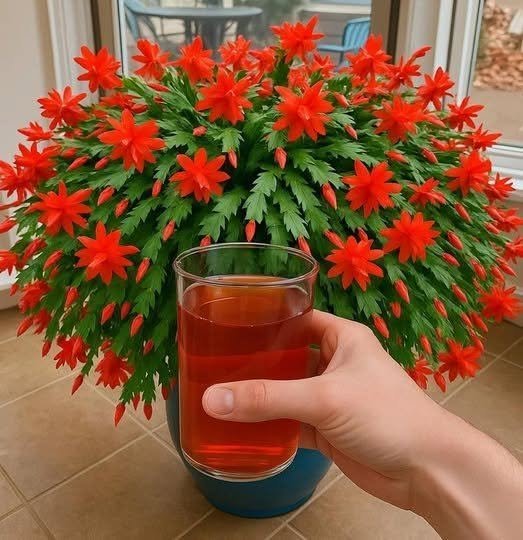
The Most Effective Tricks for Making a Christmas Cactus Bloom Year-Round
Few houseplants are as rewarding as the Christmas Cactus. Its cascading stems and vibrant blooms can brighten a room during the holidays and beyond. While most people expect flowers only once a year, with the right care, a Christmas cactus can often produce multiple blooming cycles throughout the year.
Here are the most effective techniques for encouraging frequent and healthy blooms.
Understanding the Christmas Cactus Bloom Cycle
Unlike desert cacti, the Christmas cactus is a tropical plant native to Brazilian rainforests. In its natural environment, it grows on trees and rocks, receiving filtered light, high humidity, and consistent moisture.
Flower production is triggered by a combination of:
- Shorter daylight hours
- Cooler nighttime temperatures
- Proper watering practices
- A brief period of dormancy
Replicating these conditions indoors is the key to repeated blooming.
1. Give It Bright, Indirect Light
Light is one of the biggest factors affecting flowering.
For best results:
- Place the plant near an east-facing window.
- Provide bright, indirect sunlight for 10–12 hours daily.
- Avoid harsh afternoon sun, which can scorch the segments.
A healthy Christmas cactus with adequate light develops strong stems capable of supporting multiple flowering cycles.
Signs of Incorrect Lighting
Too little light:
- Sparse growth
- Few or no flowers
Too much light:
- Red or purple discoloration
- Sunburned segments
2. Create a Cool-Temperature Blooming Period
One of the most powerful blooming triggers is cooler temperatures.
About 6–8 weeks before you want flowers:
- Keep nighttime temperatures between 50°F and 60°F (10°C–15°C).
- Maintain daytime temperatures around 65°F–70°F (18°C–21°C).
This cooling period signals the plant to begin developing flower buds.
3. Control Daylight Exposure
Christmas cacti are short-day plants.
To stimulate blooming:
- Provide 12–14 hours of uninterrupted darkness every night.
- Continue this routine for approximately six weeks.
Even brief exposure to artificial light during the dark period can delay bud formation.
Many growers place the plant in a spare room, closet, or dark corner each evening.
4. Water Correctly
Overwatering is one of the most common reasons Christmas cacti fail to bloom.
A good watering routine:
- Water thoroughly when the top inch of soil feels dry.
- Allow excess water to drain completely.
- Never leave the pot standing in water.
During active growth, maintain slightly moist soil. During rest periods, reduce watering slightly.
5. Increase Humidity
Because Christmas cacti originate in humid forests, dry indoor air can stress the plant.
Ways to increase humidity:
- Use a pebble tray filled with water.
- Run a humidifier nearby.
- Group plants together.
Humidity levels between 50% and 60% are ideal.
6. Feed with the Right Fertilizer
Regular feeding helps the plant store energy for blooming.
Use:
- A balanced liquid fertilizer such as 10-10-10 or 20-20-20.
- Feed once monthly during spring and summer.
When buds begin forming:
- Reduce fertilizer applications.
- Resume feeding after flowering ends.
Too much nitrogen can encourage leafy growth at the expense of flowers.
7. Give It a Rest Period After Blooming
After a flowering cycle, the plant benefits from a short dormancy.
For approximately 4–6 weeks:
- Reduce watering.
- Stop fertilizing.
- Keep temperatures slightly cooler.
This rest allows the plant to recover and prepare for another bloom cycle.
8. Avoid Frequent Relocation
Christmas cacti dislike sudden environmental changes.
Once buds appear:
- Avoid moving the plant.
- Keep temperature conditions stable.
- Protect it from drafts, heaters, and air conditioners.
Sudden changes can cause buds to drop before opening.
9. Keep It Slightly Root-Bound
A Christmas cactus often blooms more readily when its roots are somewhat crowded.
Repot only when necessary:
- Every 3–4 years is usually sufficient.
- Choose a pot only slightly larger than the current one.
Oversized containers often encourage root growth instead of flower production.
10. Prune for More Blooms
Pruning encourages branching, and more branches mean more potential flowering points.
After blooming:
- Twist off one or two stem segments from the ends.
- Remove weak or damaged growth.
The plant will typically produce new stems from those points, increasing future bloom potential.
11. Trigger Additional Bloom Cycles
Many healthy Christmas cacti can bloom two or even three times annually.
To encourage repeat flowering:
- Allow the plant to finish blooming.
- Provide a short rest period.
- Reintroduce cooler temperatures.
- Resume the long-dark-night routine for several weeks.
This process often initiates another round of bud development.
Common Mistakes That Prevent Blooming
Avoid these frequent problems:
- Overwatering
- Excessive fertilizer
- Warm nights year-round
- Insufficient darkness
- Constantly moving the plant
- Very low humidity
- Poor light conditions
Correcting even one of these issues can dramatically improve flowering performance.
Final Thoughts
A Christmas cactus will not truly bloom continuously every day of the year, but with careful management of light, temperature, watering, and dormancy, it can bloom multiple times annually. The most effective strategy combines bright indirect light, a cool rest period, and six weeks of long, uninterrupted nights. When these conditions are consistently provided, your Christmas cactus can reward you with spectacular flowers far more often than the holiday season alone.