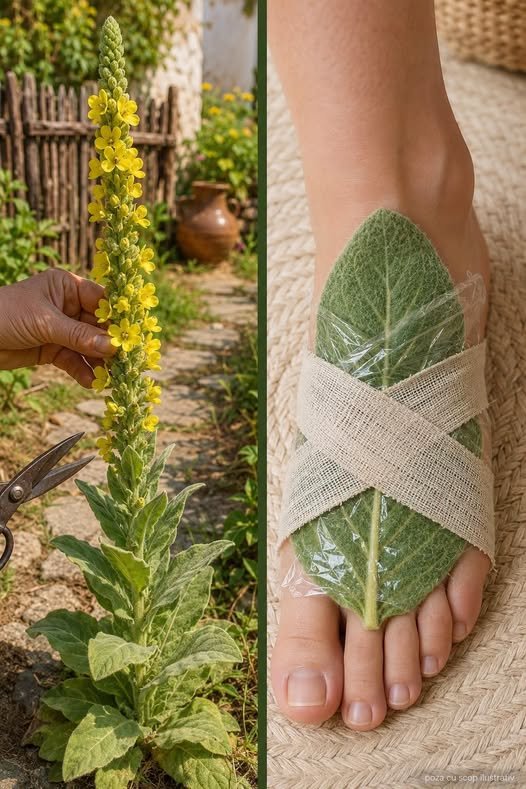
Every day, countless people pull up weeds from their gardens or walk past wild plants without giving them a second thought. Yet many of these overlooked plants have a long history of use in traditional medicine, cooking, and home remedies. While modern science doesn’t support every traditional claim, some common “weeds” have been found to contain beneficial nutrients and plant compounds.
The key is knowing which plant you’re looking at—because some wild plants are edible and useful, while others can be toxic.
Why Some Wild Plants Are So Valued
For centuries, communities around the world have relied on local plants to help soothe minor ailments, flavor meals, or supplement their diets. Many contain:
- Vitamins and minerals
- Antioxidants
- Fiber
- Natural plant compounds (phytochemicals)
These substances may contribute to overall health, but they are not a substitute for medical treatment.
Common Overlooked Plants and Their Traditional Uses
Dandelion (Taraxacum officinale)
Often considered a lawn weed, dandelion has been used traditionally to support digestion and as a natural diuretic. Its leaves are rich in vitamins A, C, and K, while the roots are commonly used to make herbal teas.
Plantain (Plantago major)
This broad-leafed plant has long been used in traditional remedies. Crushed leaves have been applied to minor insect bites and skin irritations, although scientific evidence for these uses is limited.
Purslane (Portulaca oleracea)
Purslane is edible and contains omega-3 fatty acids, vitamin C, and magnesium. It can be eaten raw in salads or lightly cooked.
Stinging Nettle (Urtica dioica)
After proper cooking or drying, nettle leaves are commonly used in soups and herbal teas. Traditional medicine has used nettle for various purposes, but it should never be handled carelessly because fresh leaves can cause skin irritation.
Potential Benefits
Depending on the species, some wild plants may provide:
- Antioxidants that help protect cells from damage
- Dietary fiber that supports digestive health
- Vitamins that contribute to immune function
- Minerals such as calcium, potassium, and iron
However, the exact nutritional value varies greatly between plants.
Safety Comes First
Never eat or use a wild plant unless you are 100% certain of its identity. Many poisonous plants closely resemble edible ones.
Avoid collecting plants from:
- Roadsides
- Industrial areas
- Lawns treated with pesticides
- Areas contaminated by animal waste
Wash all edible plants thoroughly before consuming them.
Traditional Doesn’t Always Mean Proven
Many plants have impressive reputations in folk medicine, but traditional use doesn’t necessarily mean they are effective for treating disease. While some herbs have been studied scientifically, others lack strong clinical evidence.
If you have a medical condition, are pregnant, breastfeeding, or take prescription medications, consult a healthcare professional before using herbal remedies.
Final Thoughts
Nature is full of remarkable plants that often go unnoticed. Some common “weeds” are surprisingly nutritious and have been valued in traditional cultures for generations. However, it’s important to separate traditional knowledge from scientific evidence and to identify plants accurately before using them.
If your article includes a photo of a specific plant, share the image with me. I can identify it and explain its traditional uses, scientific evidence, safety, and whether it’s edible or potentially toxic.