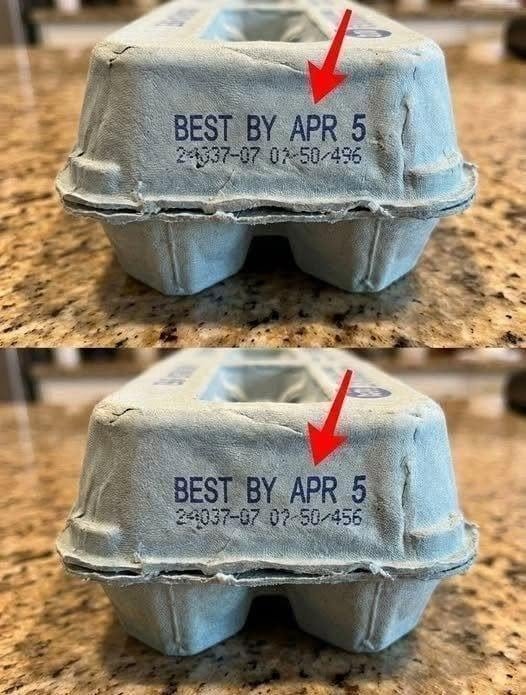
Ever wondered what the numbers and codes on egg cartons mean? Learn how to read egg carton labels, understand Julian dates, grading, expiration dates, and labels like cage-free, free-range, organic, and pasture-raised.
The Secret Meanings Behind the Codes on Egg Cartons
Have you ever picked up a carton of eggs and noticed a series of numbers, letters, and dates printed on the package? While these markings may seem confusing, they actually provide valuable information about the eggs you’re buying.
From freshness dates and plant codes to grading and production claims, understanding these labels can help you choose eggs with confidence and store them safely at home.
In this guide, we’ll explain the most common codes found on egg cartons and what they really mean.
Why Egg Carton Codes Matter
The information printed on an egg carton helps consumers:
- Check freshness
- Identify where eggs were processed
- Understand quality grades
- Learn about farming practices
- Store eggs safely
- Make informed purchasing decisions
Once you know how to read these codes, shopping for eggs becomes much easier.
1. The Julian Date
One of the most useful numbers on an egg carton is the Julian date, sometimes called the pack date.
This is a three-digit number ranging from:
- 001 = January 1
- 365 = December 31 (or 366 in a leap year)
The Julian date indicates the day of the year the eggs were packed, not necessarily the day they were laid.
Examples
- 001 = January 1
- 032 = February 1 (in a non-leap year)
- 100 = Around April 10
- 200 = Around July 19
- 365 = December 31
The closer this number is to your purchase date, the fresher the eggs are likely to be.
2. Sell-By Date
The Sell-By date tells retailers how long the eggs should remain on store shelves.
It is intended primarily for inventory management.
Consumers can often safely use refrigerated eggs for several weeks after the sell-by date, provided they have been stored properly and show no signs of spoilage.
3. Best-By or Best Before Date
This date refers to the period during which the eggs are expected to maintain their best quality.
It is not necessarily a safety deadline.
Egg quality may gradually decline after this date, but properly refrigerated eggs may still be suitable for use if they remain fresh.
4. Plant Code
Many cartons include a code beginning with the letter P, followed by several numbers.
Example:
P-1234
This identifies the processing facility where the eggs were graded and packed.
If there is ever a food safety investigation or product recall, this code helps officials trace the eggs back to the processing plant.
5. USDA Grade
If you’re purchasing graded eggs, you’ll usually see one of these quality grades.
Grade AA
- Thick, firm egg whites
- High, rounded yolks
- Excellent appearance
- Best for frying and poaching
Grade A
- Slightly thinner whites
- High-quality yolks
- Excellent for everyday cooking and baking
This is the grade most commonly found in grocery stores.
Grade B
- Thinner egg whites
- Flatter yolks
- Often used in processed egg products or commercial baking
6. Egg Size
Egg cartons also indicate the size category.
Common sizes include:
- Peewee
- Small
- Medium
- Large
- Extra Large
- Jumbo
The size refers to the average weight of the eggs, not the dimensions of an individual egg.
7. Cage-Free
“Cage-Free” means hens are not kept in cages.
They are generally housed inside barns or enclosed buildings where they can move around more freely than caged hens.
However, this label does not necessarily mean the hens have outdoor access.
8. Free-Range
“Free-Range” eggs come from hens that have some access to the outdoors.
The amount, quality, and duration of outdoor access can vary among farms.
9. Pasture-Raised
Although standards can differ depending on the certification, pasture-raised hens generally spend significant time outdoors with access to pasture.
Many consumers choose these eggs because of the hens’ outdoor living conditions.
10. Organic Eggs
Organic eggs come from hens raised according to organic farming standards.
These standards typically include:
- Organic feed
- No routine use of antibiotics where prohibited by certification rules
- Outdoor access
- Compliance with organic production regulations
11. Omega-3 Enriched Eggs
These eggs come from hens fed diets containing ingredients such as flaxseed, algae, or fish oil.
As a result, the eggs contain higher levels of omega-3 fatty acids than conventional eggs.
How to Tell If Eggs Are Fresh
Besides checking the carton codes, you can also:
- Inspect the shells for cracks.
- Keep eggs refrigerated at or below 40°F (4°C).
- Use older eggs for baking and fresher eggs for poaching or frying.
- Crack each egg into a separate bowl before adding it to a recipe if freshness is uncertain.
A fresh egg typically has:
- A thick egg white
- A firm, centered yolk
- Very little odor
How to Store Eggs Properly
To help maintain freshness:
- Keep eggs in their original carton.
- Store them in the coldest part of the refrigerator rather than the door.
- Avoid washing eggs before storage if they have already been commercially processed, as this can remove protective barriers.
- Refrigerate eggs promptly after purchase.
- Follow local food safety guidance on storage times.
Frequently Asked Questions
Which code is most useful for checking freshness?
The Julian date is one of the best indicators because it tells you when the eggs were packed.
Can I eat eggs after the best-by date?
In many cases, properly refrigerated eggs remain usable after the best-by date, but always inspect them for signs of spoilage and follow local food safety recommendations.
Are brown eggs healthier than white eggs?
No. Shell color depends on the breed of the hen and does not determine nutritional value.
Do organic eggs taste different?
Taste can vary depending on the hens’ diet, farming practices, freshness, and personal preference rather than the organic label alone.
Final Thoughts
The numbers and labels printed on egg cartons aren’t random—they provide helpful information about freshness, quality, processing, and production methods. By learning how to interpret Julian dates, plant codes, grading labels, and farming claims, you can make more informed choices at the grocery store and enjoy eggs at their best. The next time you reach for a carton, you’ll know exactly what those codes are telling you.