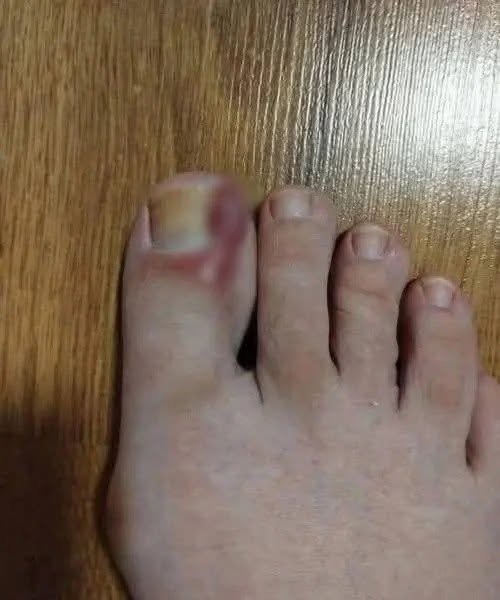
Your feet can sometimes offer clues about your overall health. While many foot changes are harmless or caused by everyday wear and tear, certain symptoms may point to an underlying medical condition. Paying attention to persistent changes can help you know when it’s time to seek medical advice.
Here are some common signs to watch for and what they may mean.
1. Cold Feet
Occasionally having cold feet is normal, especially in cooler weather. However, feet that are consistently cold may be associated with:
- Poor circulation
- Peripheral artery disease (PAD)
- Diabetes-related circulation problems
- Thyroid disorders
- Anemia
If cold feet are accompanied by pain, numbness, or skin color changes, consult a healthcare professional.
2. Swollen Feet and Ankles
Temporary swelling can occur after standing or sitting for long periods. Persistent or severe swelling may be linked to:
- Heart disease
- Kidney disease
- Liver disease
- Venous insufficiency
- Certain medications
- Pregnancy (in some cases)
Seek prompt medical evaluation if swelling is sudden, painful, or affects only one leg.
3. Numbness or Tingling
A “pins and needles” sensation that doesn’t go away may indicate:
- Peripheral neuropathy
- Diabetes
- Vitamin B12 deficiency
- Nerve compression
- Multiple sclerosis (less commonly)
Persistent numbness should always be assessed by a healthcare provider.
4. Slow-Healing Wounds
Cuts or blisters that take weeks to heal may suggest:
- Diabetes
- Poor circulation
- Infection
- Immune system disorders
People with diabetes should inspect their feet daily to help prevent complications.
5. Changes in Skin Color
Foot skin that appears unusually pale, bluish, or reddish may indicate:
- Reduced blood flow
- Circulation disorders
- Cold exposure
- Infection
- Inflammatory conditions
A sudden change in color, especially with pain, requires medical attention.
6. Thick or Yellow Toenails
While often caused by a fungal infection, nail changes can also occur due to:
- Aging
- Repeated trauma
- Psoriasis
- Certain chronic health conditions
Proper diagnosis helps determine the best treatment.
7. Cracked Heels
Dry, cracked heels are common, but severe cracking may be associated with:
- Dry skin
- Eczema
- Diabetes
- Thyroid disorders
Deep cracks can increase the risk of infection if left untreated.
8. Foot Cramps
Occasional cramps are common after exercise, but frequent cramps may be related to:
- Dehydration
- Electrolyte imbalances
- Poor circulation
- Certain medications
Staying hydrated and maintaining balanced nutrition may help reduce cramping.
9. Persistent Foot Pain
Ongoing foot pain should not be ignored. Possible causes include:
- Plantar fasciitis
- Arthritis
- Stress fractures
- Tendon injuries
- Nerve disorders
Early treatment can help prevent worsening symptoms.
10. Burning Feet
A burning sensation may be linked to:
- Peripheral neuropathy
- Diabetes
- Vitamin deficiencies
- Alcohol-related nerve damage
- Some medications
Medical evaluation is recommended if burning is persistent or worsening.
Tips for Healthy Feet
Maintain good foot health by:
- Wearing properly fitting shoes.
- Washing and drying your feet daily.
- Moisturizing dry skin (avoiding between the toes).
- Trimming toenails straight across.
- Staying physically active to support circulation.
- Managing chronic conditions like diabetes and high blood pressure.
- Checking your feet regularly for cuts, blisters, or color changes.
When to See a Doctor
Arrange a medical evaluation if you notice:
- A wound that won’t heal.
- Persistent numbness or burning.
- Sudden swelling in one foot or leg.
- Severe or unexplained foot pain.
- Significant color changes.
- Signs of infection, such as redness, warmth, swelling, or pus.
Final Thoughts
Your feet can sometimes provide valuable clues about your health, but no single foot symptom can diagnose a disease on its own. Many changes have harmless explanations, while others may warrant medical evaluation. If you notice persistent, unusual, or worsening symptoms, it’s best to consult a healthcare professional for an accurate diagnosis and appropriate treatment. Early attention to potential warning signs can help prevent complications and support long-term health.