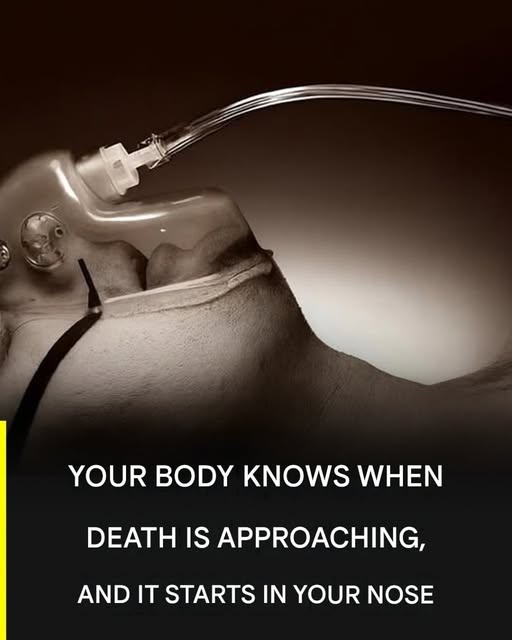
Stories about a mysterious smell that appears shortly before someone dies have circulated for centuries. Nurses, caregivers, hospice workers, and even family members sometimes describe noticing an unusual odor around a person who is nearing the end of life. Some people believe this scent is a supernatural sign, while others wonder whether there is a scientific explanation.
So, is there really a “smell of death”?
The answer is more complex than a simple yes or no. Modern medicine suggests that while death itself does not produce a unique smell before it occurs, certain biological changes associated with severe illness and the dying process can create distinctive odors that some people notice.
This article explores what research says, why these smells may occur, and separates scientific facts from myths.
Is There Really a Smell Before Death?
There is no scientific evidence proving that every dying person develops a specific “pre-death smell.”
However, healthcare professionals have reported that some terminally ill patients may develop noticeable body odors due to changes occurring inside the body during the final stages of life.
These odors are not caused by death itself but by the medical conditions and biological processes leading up to it.
Why the Body’s Smell Can Change Near the End of Life
Several factors may contribute to changes in body odor.
1. Slower Organ Function
As organs begin to fail, they become less efficient at removing waste products from the bloodstream.
When the:
- kidneys slow down,
- liver function declines,
- lungs become less effective,
certain chemicals can accumulate in the body and eventually affect a person’s breath, sweat, or skin.
2. Changes in Metabolism
During the final stages of serious illness, metabolism changes dramatically.
The body burns stored fat and muscle differently, producing substances called ketones.
Ketones can create a sweet, fruity, or acetone-like smell on the breath.
3. Reduced Circulation
As circulation decreases, less oxygen reaches the skin.
This can alter:
- skin bacteria,
- sweat production,
- natural body oils,
leading to different body odors than usual.
4. Infections
Many people approaching the end of life are more vulnerable to infections.
Bacterial growth can create strong or unusual smells, especially if there are:
- wounds,
- pressure ulcers,
- pneumonia,
- urinary tract infections.
5. Medication Effects
Certain medications can change how the body smells.
Some drugs affect:
- sweat,
- urine,
- breath,
creating odors unrelated to the dying process itself.
Can Caregivers Really Smell It?
Interestingly, many hospice nurses and experienced caregivers report noticing subtle odor changes in some patients nearing death.
Although these observations are common in palliative care, researchers have not identified one universal scent shared by all dying individuals.
Instead, each odor likely reflects the person’s:
- medical condition,
- organ function,
- medications,
- hygiene,
- infections.
The Role of Volatile Organic Compounds (VOCs)
Scientists are studying substances called volatile organic compounds (VOCs).
These tiny molecules are released through:
- breath,
- sweat,
- skin,
- urine.
Different diseases produce different VOC patterns.
Researchers have already found unique VOC signatures in conditions such as:
- lung cancer,
- liver disease,
- kidney disease,
- diabetes.
Future research may identify VOC changes associated with the dying process, but there is currently no confirmed “death odor.”
Conditions That May Cause Distinctive Smells
Several illnesses can produce recognizable odors long before death.
Kidney Failure
Waste products accumulate in the bloodstream.
This may produce:
- ammonia-like breath,
- urine-like smell.
Liver Failure
A condition called fetor hepaticus can create:
- sweet,
- musty,
- slightly rotten breath.
Diabetic Ketoacidosis
High ketone levels can cause:
- fruity breath,
- nail polish remover-like smell.
Severe Infection
Bacterial infections sometimes create:
- foul-smelling wounds,
- unpleasant body odor,
- strong secretions.
The “Smell of Death” After Death Is Different
After a person dies, decomposition begins.
As bacteria break down tissues, gases and chemicals are released.
These include compounds such as:
- putrescine,
- cadaverine.
These chemicals produce the characteristic odor associated with decomposition.
Importantly, this occurs after death, not before.
Why Some People Believe They Can Sense Death
Several psychological and biological factors may explain why people associate certain smells with dying.
These include:
- previous experiences,
- emotional memory,
- heightened awareness,
- environmental odors in hospitals or hospice settings,
- subtle body chemistry changes.
The human brain is excellent at connecting smells with emotional events, making these experiences feel especially powerful.
What Hospice Professionals Observe
Hospice teams focus on maintaining comfort and dignity.
Rather than viewing odors as mysterious signs, they often consider practical causes such as:
- reduced bathing ability,
- medication changes,
- infections,
- wound care needs,
- changes in metabolism.
Managing these issues can improve comfort for both patients and caregivers.
Common Myths About Death Smells
Myth 1: Everyone smells the same before death.
Fact: There is no universal odor experienced by every dying person.
Myth 2: Only certain people can detect the smell.
Fact: Sensitivity to odors varies greatly among individuals.
Myth 3: The smell predicts exactly when someone will die.
Fact: No scientific evidence supports using smell to predict the timing of death.
Myth 4: The smell is supernatural.
Fact: Current medical understanding points to biological and chemical changes rather than paranormal causes.
Supporting Someone Near the End of Life
If a loved one develops a noticeable body odor during serious illness, it is usually related to medical changes rather than an unusual phenomenon.
Helpful measures include:
- gentle skin cleansing,
- regular oral care,
- changing bedding frequently,
- proper wound care,
- discussing new or strong odors with healthcare providers, as they can sometimes signal treatable problems such as infection.
Final Thoughts
The idea of a mysterious smell before death has fascinated people for generations. While many caregivers report noticing changes in odor, science has not identified a unique “death smell” that appears before every person’s passing.
Instead, changes in body odor are most likely linked to organ function, metabolism, infections, medications, and overall health. Understanding these natural processes can help reduce fear and encourage compassionate, informed care for people nearing the end of life.
Disclaimer: This article is for educational purposes only and should not be used to diagnose medical conditions or predict the end of life. If you notice sudden or unusual body odors in yourself or someone else, consult a qualified healthcare professional for evaluation.