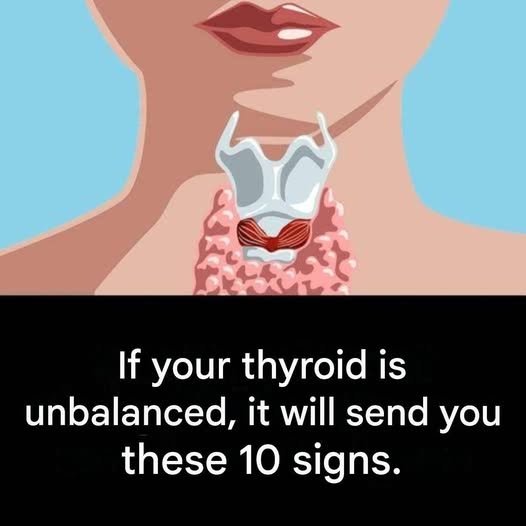
The thyroid is a small, butterfly-shaped gland at the front of your neck, but it plays a huge role in how your body functions. It helps regulate your metabolism, energy levels, temperature control, heart rate, digestion, and mood.
When the thyroid produces too much or too little hormone, the effects can appear in many different parts of the body. Because the symptoms can be subtle, thyroid problems are sometimes mistaken for stress, ageing, or everyday tiredness.
Here are some common signs to know.
Signs of an Underactive Thyroid (Hypothyroidism)
An underactive thyroid means the body is not producing enough thyroid hormones. This can slow many processes in the body.
1. Persistent Fatigue 😴
Feeling unusually tired despite getting enough sleep is one of the most common symptoms.
People may notice:
- Low energy throughout the day
- Feeling sluggish
- Reduced motivation
- Needing more rest than usual
2. Unexplained Weight Gain ⚖️
A slower metabolism can make weight management more difficult.
Some people notice:
- Gradual weight gain
- Difficulty losing weight despite lifestyle changes
- Feeling more bloated than usual
3. Feeling Cold More Often ❄️
Thyroid hormones help regulate body temperature.
With low thyroid activity, some people experience:
- Cold hands and feet
- Feeling chilly when others are comfortable
- Increased sensitivity to cold weather
4. Dry Skin and Hair Changes
Hypothyroidism can affect skin and hair.
Possible changes include:
- Dry or rough skin
- Brittle hair
- Hair thinning or increased shedding
- Thicker or coarser hair texture
5. Constipation
A slower metabolism can also slow digestion.
Some people experience:
- Less frequent bowel movements
- Harder stools
- A feeling of sluggish digestion
6. Mood and Concentration Changes
Thyroid hormones influence brain function.
Possible symptoms include:
- Low mood
- Difficulty concentrating
- Forgetfulness
- Feeling mentally “foggy”
Signs of an Overactive Thyroid (Hyperthyroidism)
An overactive thyroid produces too much thyroid hormone, speeding up many body processes.
1. Unexplained Weight Loss
Even with a normal or increased appetite, some people lose weight because their metabolism is running faster.
2. Racing Heart or Palpitations ❤️
Some people notice:
- A fast heartbeat
- Fluttering sensations
- Feeling like the heart is pounding
3. Feeling Nervous or Restless
Too much thyroid hormone can affect the nervous system.
Symptoms may include:
- Anxiety
- Irritability
- Trouble relaxing
- Feeling unusually restless
4. Increased Sweating and Heat Sensitivity
People with an overactive thyroid may feel:
- Too warm when others are comfortable
- Sweaty more easily
- Less tolerant of hot weather
5. Shaky Hands and Muscle Weakness
Other possible signs include:
- Fine trembling of the hands
- Muscle weakness
- Feeling less physically strong
6. Changes in Sleep
Some people experience:
- Difficulty falling asleep
- Restlessness at night
- Feeling tired despite sleeping
Other Thyroid-Related Signs to Watch For
Some symptoms can occur with different thyroid conditions, including:
Neck changes
- A visible swelling in the neck
- A feeling of pressure
- Difficulty swallowing
Eye changes (in some thyroid conditions)
- Dry eyes
- Irritation
- A more prominent appearance of the eyes
Menstrual or fertility changes
Hormone imbalance can affect reproductive health.
When Should You Speak to a Doctor?
Many thyroid symptoms overlap with other conditions, so symptoms alone cannot confirm a thyroid disorder.
It is worth discussing with a healthcare professional if you have:
- Several symptoms occurring together
- Symptoms that persist or worsen
- A family history of thyroid disease
- A noticeable neck swelling
- Significant unexplained weight changes
- Changes in heart rate
A simple blood test, often including thyroid-stimulating hormone (TSH) and thyroid hormone levels, can help assess thyroid function.
The Bottom Line
Your thyroid may be small, but it affects almost every system in your body.
Feeling tired, gaining or losing weight unexpectedly, changes in temperature tolerance, mood shifts, and hair or skin changes can all have many possible causes — but they are also common signs that your thyroid may need checking.
Listening to patterns in your body and discussing persistent changes with a healthcare professional can help identify problems early and guide the right treatmen