The Truth About Age Spots & Selenium: What Science Really Says
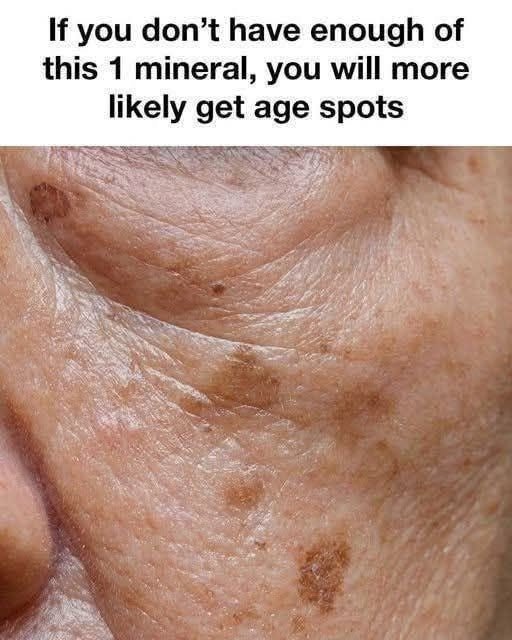
Age spots are among the most common visible signs of aging. Often appearing as flat brown, gray, or black patches on the skin, they can develop after years of sun exposure and are especially common on the face, hands, shoulders, and arms. In recent years, selenium has been promoted online as a nutrient that can prevent, reduce, or even reverse age spots. But what does the science actually say?
Understanding Age Spots
Age spots, also known as solar lentigines or liver spots, are caused primarily by long-term exposure to ultraviolet (UV) radiation from the sun. UV exposure stimulates the production of melanin, the pigment responsible for skin color. Over time, melanin can accumulate unevenly in certain areas, leading to the appearance of dark spots.
Several factors increase the likelihood of developing age spots:
- Aging
- Frequent sun exposure
- Use of tanning beds
- Fair skin tone
- Genetic predisposition
While age spots are generally harmless, some skin cancers can resemble them. Any new, changing, or unusual skin lesion should be evaluated by a healthcare professional.
What Is Selenium?
Selenium is an essential trace mineral that plays a vital role in human health. It is involved in:
- Antioxidant defense
- Thyroid hormone metabolism
- Immune system function
- Protection against oxidative stress
Selenium is found naturally in foods such as:
- Brazil nuts
- Seafood
- Meat and poultry
- Eggs
- Whole grains
Because selenium helps combat oxidative stress, researchers have investigated whether it might also influence skin aging and pigmentation.
The Theory Behind Selenium and Skin Health
Oxidative stress occurs when harmful molecules known as free radicals damage cells and tissues. UV radiation contributes to oxidative stress in the skin, accelerating aging and pigment changes.
Since selenium is a component of antioxidant enzymes, scientists have explored whether adequate selenium intake could help protect skin cells from damage caused by UV exposure.
The hypothesis is straightforward:
- UV radiation increases oxidative stress.
- Oxidative stress contributes to skin aging.
- Selenium supports antioxidant defenses.
- Therefore, selenium might help support overall skin health.
However, this does not automatically mean selenium removes existing age spots.
What the Research Shows
Current scientific evidence does not support the claim that selenium can eliminate or reverse age spots.
Research suggests that:
- Selenium is important for maintaining normal cellular function.
- Adequate selenium may contribute to overall skin health.
- Antioxidant nutrients may help protect against some forms of oxidative damage.
However:
- There is no strong clinical evidence showing selenium supplementation reliably removes age spots.
- No major dermatology guidelines recommend selenium as a treatment for age spots.
- Excessive selenium intake has not been shown to improve pigmentation outcomes and may be harmful.
In other words, selenium appears to play a supportive role in health, but it is not a proven cure for age spots.
Can Selenium Deficiency Cause Age Spots?
There is currently no clear evidence that age spots are caused by selenium deficiency.
Severe selenium deficiency can lead to various health problems, but age spots are not considered a hallmark sign of inadequate selenium intake. Most age spots are more closely linked to cumulative UV exposure and the natural aging process.
Proven Approaches for Managing Age Spots
For people seeking to reduce the appearance of age spots, dermatologists often recommend evidence-based options such as:
- Daily broad-spectrum sunscreen
- Sun-protective clothing
- Topical retinoids
- Hydroquinone-containing products (where appropriate and under guidance)
- Chemical peels
- Laser treatments
- Intense pulsed light (IPL) therapy
These treatments target pigmentation directly and generally have stronger scientific support than selenium supplementation.
The Risks of Too Much Selenium
More is not always better.
Excessive selenium intake can cause a condition known as selenium toxicity, which may lead to:
- Nausea
- Fatigue
- Hair loss
- Brittle nails
- Neurological symptoms
- Gastrointestinal upset
For this reason, selenium supplements should not be taken in high doses without professional guidance.
Bottom Line
Selenium is an important nutrient that supports antioxidant defenses and overall health. However, current scientific evidence does not show that selenium can remove age spots or serve as a reliable treatment for skin pigmentation caused by aging and sun exposure.
If your goal is to prevent age spots, the most effective strategy remains protecting your skin from UV radiation. If you want to reduce existing age spots, evidence-based dermatological treatments offer much stronger support than selenium supplementation alone.
The science suggests that selenium is valuable for health—but claims that it can magically erase age spots go far beyond what current research has demonstrated.