Theories About Eye Color and Personality
Many cultures and popular psychology traditions have suggested links between eye color and personality. While these ideas are interesting, scientific evidence does not support strong or reliable personality traits based solely on eye color.
Common Theories
Brown Eyes
People with brown eyes are often described as:
- Trustworthy
- Confident
- Warm and friendly
- Natural leaders
Some studies have found that brown-eyed individuals may be perceived as more trustworthy, but this is likely influenced by facial features and social perceptions rather than eye color itself.
Blue Eyes
Blue-eyed individuals are commonly associated with:
- Calmness
- Intelligence
- Sensitivity
- Independence
Popular stereotypes often portray blue-eyed people as thoughtful or reserved.
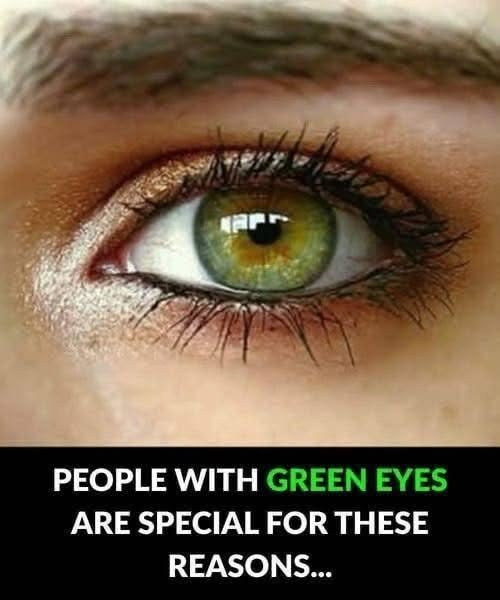
Green Eyes
Green eyes are frequently linked to:
- Creativity
- Mystery
- Passion
- Uniqueness
Because green eyes are relatively rare, they are often associated with individuality and intrigue.
Hazel Eyes
People with hazel eyes are sometimes described as:
- Adaptable
- Adventurous
- Balanced
- Spontaneous
The changing appearance of hazel eyes has inspired theories about versatility and complexity.
Gray Eyes
Gray-eyed individuals are often said to be:
- Wise
- Analytical
- Self-controlled
- Mature
These traits come mainly from folklore and cultural interpretations rather than scientific findings.
What Science Says
Eye color is primarily determined by genetics and the amount and distribution of melanin in the iris. Personality, on the other hand, is influenced by a complex combination of:
- Genetics
- Environment
- Culture
- Life experiences
- Individual psychology
Researchers have found little evidence that eye color directly determines personality. Any observed associations are usually weak and may reflect social perceptions rather than actual behavioral differences.
Conclusion
Theories linking eye color to personality are largely based on folklore, stereotypes, and popular culture. They can be fun to explore, but they should not be treated as accurate indicators of a person’s character or behavior.