Your mouth can provide important clues about your overall health. While many oral symptoms are harmless and temporary, some may be early signs of nutritional deficiencies, infections, autoimmune conditions, or other medical problems. Paying attention to changes in your mouth and discussing persistent symptoms with a healthcare professional can help identify issues before they become more serious.
It’s important to remember that a symptom alone cannot diagnose a disease. Many mouth changes have multiple possible causes, so proper evaluation by a dentist or healthcare provider is essential.
1. Mouth Sores That Don’t Heal
Occasional mouth ulcers (canker sores) are common and usually heal within one to two weeks.
However, sores that:
- Last longer than two weeks
- Continue to grow
- Bleed easily
- Cause severe pain
should be evaluated by a dentist or healthcare provider, as they may require further investigation.
Possible causes include:
- Injury or irritation
- Vitamin deficiencies
- Viral infections
- Autoimmune conditions
- Less commonly, oral cancer
2. Bleeding Gums
Gums that bleed when brushing or flossing are often a sign of gingivitis, an early stage of gum disease.
Other possible causes include:
- Poor oral hygiene
- Smoking
- Certain medications
- Vitamin C deficiency
- Hormonal changes
Untreated gum disease can progress and may increase the risk of tooth loss.
3. Persistent Bad Breath
Bad breath that doesn’t improve with brushing may result from:
- Gum disease
- Tooth decay
- Dry mouth
- Sinus infections
- Certain digestive conditions
A dental examination can often identify the cause.
4. Dry Mouth
A constantly dry mouth may increase the risk of:
- Tooth decay
- Gum disease
- Difficulty swallowing
- Mouth infections
Common causes include:
- Certain medications
- Dehydration
- Diabetes
- Sjögren’s syndrome
- Radiation therapy involving the head or neck
If dry mouth persists, discuss it with your healthcare provider.
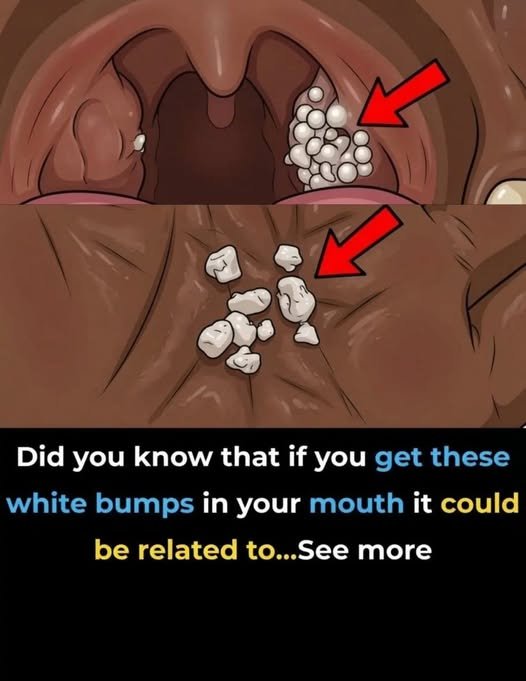
5. White or Red Patches
Persistent white or red patches inside the mouth should not be ignored.
Possible causes include:
- Irritation
- Fungal infections (such as oral thrush)
- Tobacco use
- Precancerous changes
Any patch that persists for more than two weeks should be evaluated.
6. Burning or Tingling Sensation
A burning feeling in the mouth may be associated with:
- Dry mouth
- Vitamin B12 deficiency
- Iron deficiency
- Hormonal changes
- Burning mouth syndrome
Proper evaluation can help identify the underlying cause.
7. Changes in the Tongue
Your tongue may reveal important health clues.
Watch for:
- Swelling
- Smooth or unusually red appearance
- Persistent coating
- Pain
- Changes in color
These changes may result from infections, nutritional deficiencies, allergies, or other medical conditions.
8. Loose Teeth
Adult teeth should not become loose without a reason.
Possible causes include:
- Advanced gum disease
- Injury
- Bone loss
- Certain systemic health conditions
Prompt dental care can help prevent further damage.
9. Difficulty Swallowing
Persistent difficulty swallowing is not considered a normal part of aging.
Possible causes include:
- Acid reflux
- Neurological disorders
- Structural problems
- Infections
Seek medical evaluation if swallowing problems continue or worsen.
How to Keep Your Mouth Healthy
Daily habits can reduce the risk of many oral health problems.
- Brush your teeth twice a day with fluoride toothpaste.
- Floss once daily.
- Drink plenty of water.
- Limit sugary foods and drinks.
- Avoid tobacco products.
- Visit your dentist regularly for checkups and cleanings.
- Eat a balanced diet rich in fruits, vegetables, and whole grains.
When to Seek Medical or Dental Care
Arrange an appointment if you notice:
- Mouth sores lasting more than two weeks
- Persistent bleeding gums
- White or red patches that don’t disappear
- Ongoing dry mouth
- Loose teeth
- Persistent pain or swelling
- Difficulty swallowing
- A lump in the mouth or neck
Early evaluation can often lead to more effective treatment.
Common Myths
Myth: Bleeding gums are normal.
Fact: Healthy gums should not bleed regularly. Persistent bleeding often indicates gum disease or another condition that deserves attention.
Myth: Bad breath always comes from the stomach.
Fact: Most chronic bad breath originates in the mouth, often due to bacteria, gum disease, or poor oral hygiene.
Myth: Mouth ulcers are never serious.
Fact: Most heal on their own, but ulcers that persist beyond two weeks or have unusual features should be examined by a healthcare professional.
Final Thoughts
Small changes in your mouth can sometimes provide early clues about your overall health. While many symptoms are caused by minor or temporary conditions, persistent sores, bleeding gums, unexplained patches, dry mouth, or difficulty swallowing should not be ignored.
Regular dental checkups, good oral hygiene, and prompt medical evaluation of ongoing symptoms can help protect both your oral health and your overall well-being. If you notice any concerning changes, consult a dentist or healthcare provider for an accurate diagnosis and appropriate care.