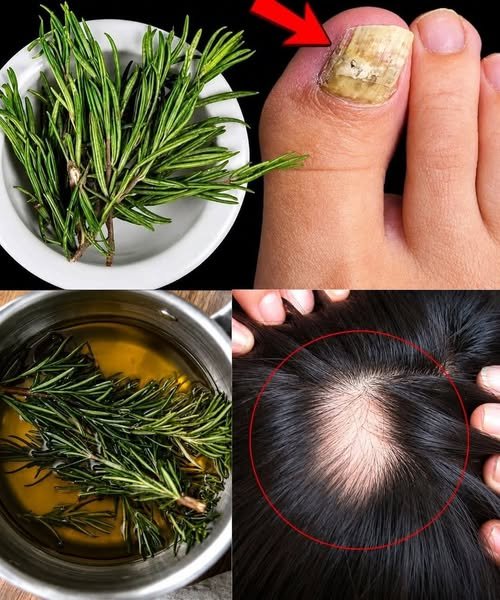
If you’ve come across claims like “this remedy gets rid of fungus on the scalp, hands, nails, and feet super fast,” it’s worth slowing down a bit before trusting anything that sounds like a universal quick fix. Fungal infections are very real—and very common—but they also vary a lot depending on the area of the body and the type of fungus involved. That’s why treatment is rarely one-size-fits-all or instant.
Here’s a clearer, more grounded blog-style look at what actually works, what doesn’t, and how people really get rid of fungal infections safely and effectively.
Understanding fungal infections (why they don’t vanish overnight)
Fungal infections on the skin, nails, and scalp are usually caused by dermatophytes or yeast-like organisms. They thrive in warm, moist environments and spread through direct contact, shared items, or contaminated surfaces.
Common types include:
- Athlete’s foot (feet)
- Ringworm (hands, body, scalp)
- Nail fungus (onychomycosis)
- Scalp fungal infections (tinea capitis)
Each of these behaves differently. For example, nail fungus grows slowly under the nail, while skin infections can spread more quickly across the surface.
This is why “instant cures” are usually misleading—fungi live in layers of skin or under nails where treatments take time to fully reach.
What actually works (evidence-based treatment)
Instead of miracle remedies, real treatment focuses on antifungal agents that target the infection directly.
1. Antifungal creams and ointments
For skin infections (hands, feet, body), doctors often recommend:
- Clotrimazole
- Terbinafine
- Miconazole
These are applied daily for 2–4 weeks, sometimes longer depending on severity.
2. Medicated shampoos (for scalp fungus)
Scalp infections usually require:
- Ketoconazole shampoo
- Selenium sulfide shampoo
In many cases, oral antifungal medication is also needed because shampoos alone may not reach the infection deep in the follicles.
3. Oral antifungal medications (for stubborn cases)
For nail fungus or severe scalp infections, doctors may prescribe:
- Terbinafine tablets
- Itraconazole
These work from inside the body and are often taken for weeks to months.
4. Nail fungus treatment reality check
Nail fungus is one of the hardest infections to clear because:
- Nails grow slowly
- Medication must reach deep layers
- Treatment can take 3–6 months (sometimes longer)
There is no safe shortcut that clears it “super fast.”
What about home remedies?
You’ll often see suggestions like:
- Vinegar soaks
- Tea tree oil
- Garlic paste
- Baking soda
Some of these may mildly slow fungal growth or reduce symptoms, but they are not reliable cures, especially for nail or scalp infections. They should be seen as supportive care at best, not replacements for medical treatment.
Common mistakes that make fungus worse
Many people unintentionally prolong infections by:
- Stopping treatment too early when symptoms improve
- Wearing tight, non-breathable shoes
- Sharing towels, socks, or combs
- Not treating all affected areas at once
- Ignoring nail infections until they spread
Consistency matters more than intensity when it comes to antifungal treatment.
Prevention: the part most people overlook
Once treated, fungus can return if conditions stay the same. Prevention includes:
- Keeping skin dry (especially between toes and fingers)
- Changing socks daily
- Using antifungal powder in shoes if needed
- Avoiding walking barefoot in public showers
- Regular washing of towels and bedding
- Not sharing personal grooming items
The bottom line
Fungal infections are manageable, but they are rarely “instant-fix” problems. Any claim promising rapid, universal results across scalp, skin, nails, and feet is oversimplified at best—and misleading at worst.
Real recovery comes from:
- Correct diagnosis
- Appropriate antifungal treatment
- Consistent application over time
- Good hygiene habits afterward
If a fungal infection is persistent, spreading, or affecting nails or scalp, it’s best handled with proper medical guidance rather than quick remedies found online.
If you want, I can also turn this into a more “viral blog post” style (more dramatic hook, storytelling, or social media tone) or tailor it specifically for scalp fungus, nail fungus, or athlete’s foot.