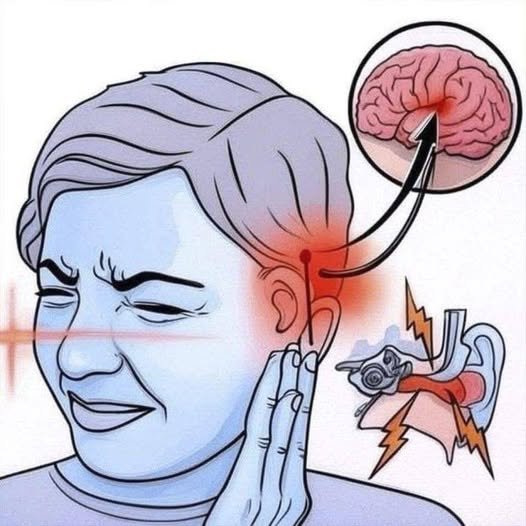
Tinnitus is the perception of sound when no external sound is present. People often describe it as ringing, buzzing, hissing, clicking, humming, or roaring in one or both ears. While occasional ringing may not be a cause for concern, persistent tinnitus can sometimes signal an underlying health condition that deserves medical attention.
Tinnitus itself is not a disease but rather a symptom of another issue. For some people, it is a minor annoyance. For others, it can interfere with sleep, concentration, work, and overall quality of life. Understanding what tinnitus may indicate and knowing when to seek medical advice can help you protect your hearing and overall health.
What Is Tinnitus?
Tinnitus occurs when the brain perceives sound without an external source. The sounds may be:
- Ringing
- Buzzing
- Hissing
- Clicking
- Whistling
- Roaring
- Pulsing
The sound may be constant or intermittent, soft or loud, and can affect one or both ears.
Common Causes of Tinnitus
Many different conditions can contribute to tinnitus, including:
1. Hearing Loss
Age-related hearing loss and long-term exposure to loud noise are among the most common causes of tinnitus. As hearing declines, the brain may compensate by creating phantom sounds.
2. Loud Noise Exposure
Repeated exposure to loud music, machinery, firearms, or concerts can damage the delicate hair cells inside the inner ear.
3. Earwax Buildup
Excessive earwax can block the ear canal, causing temporary tinnitus and reduced hearing.
4. Ear Infections
Middle ear infections or inflammation may cause ringing that often improves once the infection is treated.
5. Certain Medications
Some medications may contribute to tinnitus as a side effect, particularly at higher doses. These can include certain antibiotics, chemotherapy drugs, loop diuretics, and high doses of aspirin or other salicylates. Never stop prescribed medication without consulting your healthcare provider.
6. Cardiovascular Conditions
High blood pressure and some blood vessel disorders can contribute to a type of tinnitus known as pulsatile tinnitus, where the sound seems to match your heartbeat.
7. Stress and Anxiety
Stress does not necessarily cause tinnitus, but it can make existing symptoms feel more noticeable and distressing.
What Tinnitus May Say About Your Health
Tinnitus can sometimes be a clue that your body needs attention. It may be associated with:
- Hearing loss
- Poor noise protection habits
- High blood pressure
- Ear infections
- Medication side effects
- Jaw joint (TMJ) disorders
- Rarely, certain neurological or vascular conditions
Because there are many possible causes, persistent tinnitus should be evaluated by a healthcare professional.
Warning Signs You Should Never Ignore
Seek prompt medical evaluation if tinnitus:
- Starts suddenly.
- Occurs after a head injury.
- Is present in only one ear.
- Is accompanied by hearing loss or dizziness.
- Pulses in rhythm with your heartbeat.
- Is associated with severe ear pain or drainage.
These symptoms may require urgent medical assessment.
How Is Tinnitus Diagnosed?
A healthcare provider may recommend:
- A physical examination
- Hearing tests (audiometry)
- Examination of the ear canal
- Blood tests if indicated
- Imaging studies in selected cases
The goal is to identify any treatable underlying cause.
Treatment Options
Treatment depends on the cause of tinnitus. Options may include:
Treating Underlying Conditions
Managing ear infections, removing excess earwax, or adjusting medications under medical supervision may reduce symptoms.
Hearing Aids
For people with hearing loss, hearing aids may improve hearing and reduce the perception of tinnitus.
Sound Therapy
Background sounds such as white noise, nature sounds, or soft music may help mask tinnitus, especially at bedtime.
Cognitive Behavioral Therapy (CBT)
CBT does not eliminate tinnitus but can help people cope with the emotional impact and improve quality of life.
Stress Management
Relaxation techniques, meditation, regular exercise, and good sleep habits may help reduce how bothersome tinnitus feels.
Lifestyle Tips for Managing Tinnitus
You may find these habits helpful:
- Protect your ears from loud noise.
- Keep headphone volume at safe levels.
- Limit prolonged exposure to loud environments.
- Manage blood pressure through healthy habits.
- Get adequate sleep.
- Reduce stress when possible.
- Avoid smoking.
- Stay physically active.
Some people notice that caffeine or alcohol affects their symptoms, while others do not. If you suspect certain foods or drinks worsen your tinnitus, discuss this with your healthcare provider rather than making unnecessary dietary restrictions.
Can Tinnitus Be Prevented?
Not every case is preventable, but you can lower your risk by:
- Wearing hearing protection in noisy environments.
- Keeping personal audio devices at moderate volume.
- Treating ear infections promptly.
- Managing chronic conditions such as hypertension and diabetes.
- Attending regular hearing checkups if you’re exposed to loud noise at work.
Final Thoughts
Tinnitus is more than just an annoying ringing in the ears—it can sometimes be an important signal about your overall health. Although many cases are linked to hearing loss or noise exposure, persistent or worsening tinnitus should never be ignored.
The good news is that many people find relief by treating underlying conditions, protecting their hearing, and using evidence-based management strategies. If tinnitus is affecting your daily life, schedule an evaluation with a healthcare professional. Early assessment may help identify the cause and improve your quality of life.
Focus Keyword: Tinnitus
SEO Keywords: tinnitus, ringing in the ears, tinnitus symptoms, tinnitus causes, why ears ring, hearing loss, tinnitus treatment, ear health, pulsatile tinnitus, managing tinnitus naturally.