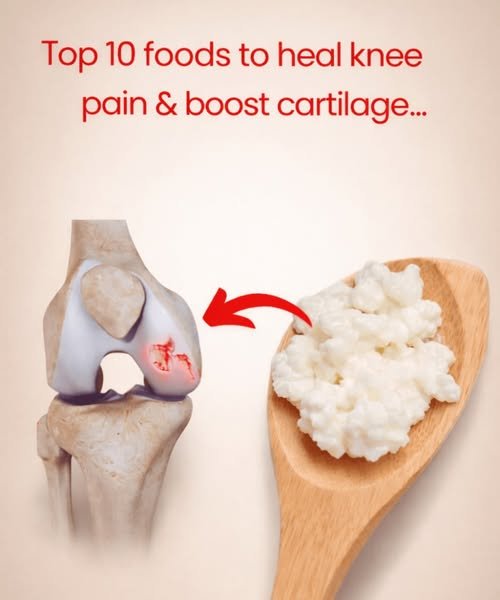
Knee pain is one of the most common complaints among adults of all ages. Whether it’s caused by aging, osteoarthritis, a past injury, or simply years of wear and tear, aching knees can make everyday activities like walking, climbing stairs, or even standing up a challenge.
While there’s no food that can “heal” damaged cartilage or cure knee pain on its own, eating a balanced diet rich in anti-inflammatory nutrients, vitamins, and minerals can help support joint health and may reduce inflammation. Combined with regular exercise, maintaining a healthy weight, and following your healthcare provider’s advice, these foods can be part of a joint-friendly lifestyle.
Here are 10 foods worth adding to your plate.
1. Fatty Fish
Fatty fish such as salmon, mackerel, sardines, and trout are among the best sources of omega-3 fatty acids.
Omega-3s have anti-inflammatory properties and may help reduce joint stiffness and discomfort in some people with inflammatory arthritis. They also support heart and brain health.
Try this: Grill salmon with roasted vegetables or add sardines to a salad.
2. Leafy Green Vegetables
Spinach, kale, collard greens, and Swiss chard are packed with vitamins A, C, and K, along with antioxidants that help protect cells from oxidative stress.
Vitamin K is also important for maintaining healthy bones.
Enjoy them: In salads, soups, smoothies, or lightly sautéed with olive oil.
3. Berries
Blueberries, strawberries, raspberries, and blackberries are rich in antioxidants called anthocyanins.
These compounds may help reduce inflammation and protect the body’s cells from damage caused by free radicals.
Fresh or frozen berries are equally nutritious.
4. Citrus Fruits
Oranges, lemons, grapefruits, and limes provide plenty of vitamin C.
Vitamin C plays an essential role in producing collagen, an important protein found in cartilage, tendons, ligaments, and bones.
A diet rich in vitamin C supports your body’s normal collagen production, although it cannot rebuild severely damaged cartilage.
5. Nuts and Seeds
Walnuts, almonds, flaxseeds, chia seeds, and pumpkin seeds contain healthy fats, protein, fiber, magnesium, and vitamin E.
These nutrients support overall health and may help reduce inflammation when included as part of a balanced diet.
A small handful each day makes an excellent snack.
6. Olive Oil
Extra-virgin olive oil contains healthy monounsaturated fats and natural compounds with anti-inflammatory properties.
It is a key component of the Mediterranean diet, which has been associated with numerous health benefits.
Use olive oil instead of butter or highly processed cooking fats whenever possible.
7. Beans and Lentils
Legumes are high in plant protein, fiber, iron, magnesium, and antioxidants.
They help support muscle health, which is important because strong muscles reduce stress on the knees.
Excellent choices include:
- Black beans
- Chickpeas
- Lentils
- Kidney beans
8. Dairy or Calcium-Rich Alternatives
Milk, yogurt, and cheese provide calcium and protein, while many fortified plant-based alternatives also supply vitamin D and calcium.
Strong bones provide better support for your joints.
If you don’t consume dairy, choose fortified soy milk or other calcium-fortified alternatives.
9. Turmeric
Turmeric contains curcumin, a natural compound that has been studied for its anti-inflammatory effects.
Some research suggests curcumin supplements may help reduce knee pain in people with osteoarthritis, but the spice itself should not be considered a cure. If you’re considering supplements, talk with your healthcare provider first, especially if you take blood thinners or other medications.
Adding turmeric to soups, curries, or rice dishes is an easy way to enjoy its flavor.
10. Bone Broth and Protein-Rich Foods
Bone broth contains collagen proteins, but current research has not shown that drinking bone broth can rebuild knee cartilage.
However, getting enough protein overall is important for maintaining muscles, bones, and connective tissues.
Good protein sources include:
- Chicken
- Fish
- Eggs
- Greek yogurt
- Tofu
- Lean meats
- Beans and lentils
Foods to Limit for Better Joint Health
While no single food causes knee pain, reducing certain foods may help support overall health and weight management.
Consider limiting:
- Sugary drinks
- Highly processed snacks
- Excessive sweets
- Fried foods
- Processed meats
- Excessive alcohol
Maintaining a healthy body weight is one of the most effective ways to reduce stress on the knees.
Other Ways to Protect Your Knees
Diet works best when combined with healthy lifestyle habits:
- Maintain a healthy weight.
- Stay physically active with low-impact exercises like walking, swimming, or cycling.
- Strengthen the muscles around your knees.
- Stretch regularly to improve flexibility.
- Wear supportive footwear.
- Avoid prolonged sitting by getting up and moving regularly.
When to See a Doctor
If your knee pain is severe, persistent, or accompanied by swelling, redness, warmth, fever, or difficulty bearing weight, seek medical evaluation. These symptoms may indicate an injury or medical condition that requires treatment.
The Bottom Line
A healthy diet alone cannot repair damaged cartilage or cure knee pain, but it can provide the nutrients your joints, muscles, and bones need to function at their best. Foods like fatty fish, leafy greens, berries, citrus fruits, nuts, olive oil, beans, dairy, turmeric, and protein-rich foods can support overall joint health as part of a balanced lifestyle.
For lasting knee health, combine good nutrition with regular exercise, maintaining a healthy weight, and appropriate medical care when needed.