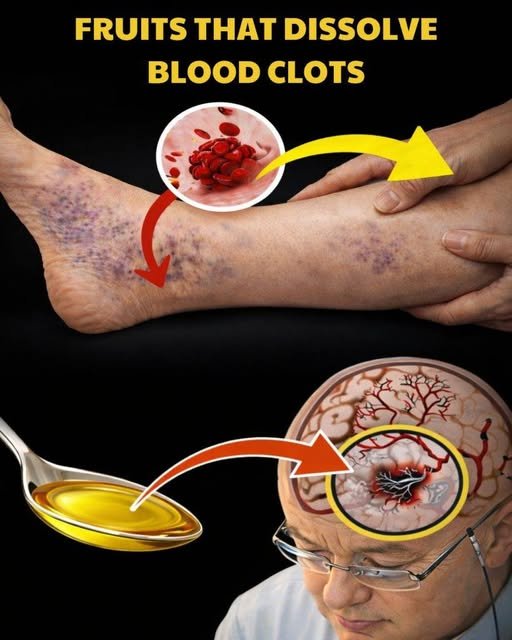
A healthy circulatory system depends on a delicate balance. Your body needs to form blood clots to stop bleeding after an injury, but it also needs mechanisms to prevent unnecessary clots that can interfere with normal blood flow. While no fruit can “dissolve” dangerous blood clots or replace medical treatment, some fruits contain nutrients and plant compounds that support heart and blood vessel health as part of an overall balanced diet.
Here are eight fruits that may contribute to healthy circulation and cardiovascular wellness.
1. Berries
Blueberries, strawberries, raspberries, and blackberries are packed with antioxidants called anthocyanins, along with vitamin C and fiber.
Potential benefits include:
- Supporting healthy blood vessel function
- Helping reduce oxidative stress
- Promoting overall heart health
Fresh or frozen berries make an excellent addition to smoothies, yogurt, or oatmeal.
2. Citrus Fruits
Oranges, lemons, grapefruits, and limes are rich in vitamin C and flavonoids.
These nutrients may:
- Support healthy blood vessels
- Help reduce inflammation
- Contribute to cardiovascular health
Note: Grapefruit can interact with certain medications, including some cholesterol-lowering drugs and blood pressure medications. If you take prescription medications, ask your healthcare provider or pharmacist whether grapefruit is safe for you.
3. Pomegranates
Pomegranates contain polyphenols, antioxidants that have been studied for their potential role in supporting blood vessel health.
Research suggests they may help:
- Support healthy circulation
- Protect cells from oxidative stress
- Promote overall cardiovascular wellness
More research is needed to understand their effects on clotting or cardiovascular outcomes.
4. Grapes
Both red and purple grapes contain antioxidants such as resveratrol and flavonoids.
Potential benefits include:
- Supporting healthy blood vessels
- Helping protect cells from oxidative damage
- Contributing to heart health
Whole grapes are generally a better choice than juice because they provide fiber.
5. Kiwi
Kiwi is rich in vitamin C, vitamin K, potassium, and fiber.
Some small studies have explored whether kiwi may support healthy platelet function and cardiovascular health, but the evidence is limited and not strong enough to recommend kiwi as a treatment for clot prevention.
Enjoy kiwi as part of a varied, fruit-rich diet.
6. Cherries
Cherries provide anthocyanins and other antioxidant compounds.
They may help:
- Reduce oxidative stress
- Support recovery after exercise
- Promote overall heart health
Fresh cherries are a nutritious snack, while frozen cherries work well in smoothies.
7. Apples
An apple a day offers fiber, vitamin C, and polyphenols.
These nutrients may:
- Support healthy cholesterol levels
- Promote digestive health
- Contribute to long-term cardiovascular wellness
Leaving the skin on provides the most fiber and beneficial plant compounds.
8. Avocados
Although commonly used as a vegetable, avocados are botanically classified as a fruit.
They are rich in:
- Heart-healthy monounsaturated fats
- Potassium
- Fiber
- Vitamin E
These nutrients can support heart health and healthy blood pressure as part of a balanced diet.
Healthy Habits That Support Circulation
Along with eating plenty of fruits, these lifestyle habits can help maintain a healthy circulatory system:
- Stay physically active.
- Eat a balanced diet rich in vegetables, whole grains, legumes, and healthy fats.
- Drink enough water throughout the day.
- Avoid smoking.
- Maintain a healthy weight.
- Manage blood pressure, cholesterol, and blood sugar if advised by your healthcare provider.
Important Medical Note
If you have a history of blood clots, a clotting disorder, or take blood-thinning medications such as warfarin or newer anticoagulants, do not rely on foods or supplements to prevent or treat blood clots. Follow your prescribed treatment plan and consult your healthcare provider before making significant dietary changes, especially if your medication requires consistent vitamin K intake.
Final Thoughts
Fruits are an excellent source of vitamins, minerals, fiber, and antioxidants that support overall heart and vascular health. While no fruit can prevent or treat dangerous blood clots on its own, including a variety of nutrient-rich fruits in a balanced diet may help promote healthy circulation and long-term cardiovascular wellness.
A healthy lifestyle, regular medical care, and following your healthcare provider’s recommendations remain the most effective ways to reduce the risk of blood clot-related complications.