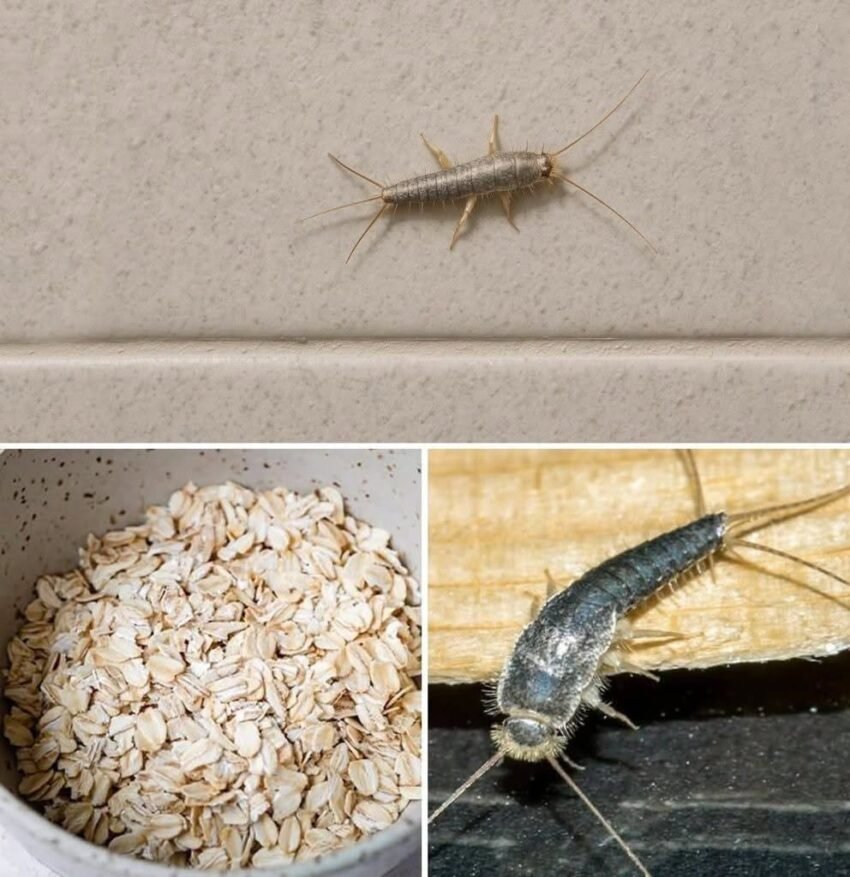
Silverfish are small, wingless insects that have existed for millions of years. They get their name from their shiny silver-gray bodies and fish-like movements.
They typically measure between ½ and ¾ inch (12–19 mm) long and are most active at night.
You’ll often find them hiding in:
- Bathrooms
- Kitchens
- Basements
- Laundry rooms
- Closets
- Attics
- Under sinks
- Behind appliances
- Inside cardboard boxes
Why Are Silverfish in Your Home?
Silverfish don’t randomly invade homes—they’re attracted to environments that meet their basic survival needs.
1. Excess Moisture
The number one reason silverfish move indoors is high humidity.
They thrive in damp environments where moisture levels are high.
Common moisture sources include:
- Leaking pipes
- Poor ventilation
- Damp basements
- Wet crawl spaces
- Condensation around windows
- Bathrooms without exhaust fans
If you’re seeing silverfish regularly, it may be time to check your home for hidden moisture problems.
2. They Have Plenty to Eat
Silverfish feed on materials rich in starches and sugars.
Their favorite foods include:
- Paper
- Books
- Cardboard
- Wallpaper glue
- Fabrics
- Cotton
- Linen
- Dry pantry goods
- Pet food
- Flour
- Cereal
Even tiny crumbs can attract them.
3. Dark Hiding Places
Silverfish avoid light.
They hide during the day in cracks, crevices, behind baseboards, under sinks, and inside storage boxes.
A cluttered home gives them countless places to hide and breed.
Are Silverfish Dangerous?
Fortunately, silverfish are not considered dangerous to people.
They:
- ❌ Do not bite
- ❌ Do not sting
- ❌ Do not spread diseases
- ❌ Are not poisonous
However, they can damage:
- Books
- Important documents
- Wallpaper
- Clothing
- Curtains
- Stored food
- Family photographs
Over time, a large infestation may become costly if valuable belongings are affected.
Signs You May Have an Infestation
You might have more than just one or two silverfish if you notice:
- Frequent sightings at night
- Small holes in paper or books
- Yellow stains on paper
- Tiny black droppings (resembling pepper)
- Shed insect skins
- Damage to wallpaper or cardboard boxes
How to Get Rid of Silverfish
Reduce Humidity
The most effective solution is removing the moisture they depend on.
Use:
- Exhaust fans
- Dehumidifiers
- Proper ventilation
- Leak repairs
Keeping indoor humidity below about 50% can make your home much less inviting to silverfish.
Store Food Properly
Keep dry foods in airtight containers.
This includes:
- Flour
- Rice
- Sugar
- Cereal
- Pet food
Declutter
Reduce stacks of:
- Newspapers
- Magazines
- Cardboard boxes
- Old books
- Paper bags
These materials provide both food and shelter.
Seal Entry Points
Use caulk to seal:
- Cracks in walls
- Gaps around pipes
- Baseboards
- Window frames
This limits hiding places and entry routes.
Clean Regularly
Vacuum often, especially behind furniture and appliances.
Pay attention to:
- Dust
- Hair
- Food crumbs
- Paper scraps
Consider Sticky Traps or Professional Help
If you continue seeing large numbers of silverfish despite reducing moisture and cleaning, sticky insect traps can help monitor activity. For persistent or widespread infestations, a licensed pest control professional can identify hidden nesting areas and recommend appropriate treatment.
When Should You Be Concerned?
Finding one silverfish occasionally isn’t necessarily a major problem.
However, if you notice:
- Several silverfish every week
- Damage to books or clothing
- Persistent dampness
- Mold growth
- Water leaks
…it may indicate a moisture issue that deserves attention, both to discourage silverfish and to help prevent mold or structural damage.
Final Thoughts
Silverfish are more of a warning sign than a direct threat. Their appearance often suggests that your home has excess moisture, clutter, or accessible food sources that make it a comfortable place for them to live.
By fixing leaks, improving ventilation, reducing humidity, storing food properly, and keeping your home clean and clutter-free, you can usually make your home far less attractive to these pests and help prevent future infestations.