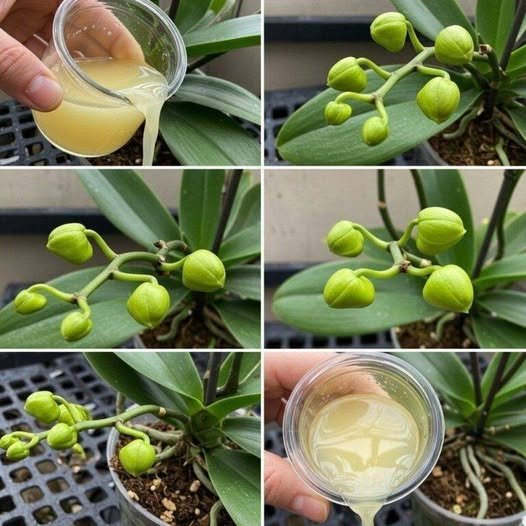
If your houseplants look tired, your flowers have stopped blooming, or your garden seems to have lost its sparkle, you might be wondering if there’s a simple, natural way to give your plants a boost. While no miracle solution can revive every struggling plant, certain homemade plant waters can provide nutrients that support healthy growth when used correctly.
One of the most popular and effective options is rice water—the starchy water left over after rinsing or cooking rice. Gardeners have used it for years as an inexpensive way to nourish plants.
Why Rice Water Can Benefit Plants
Rice water contains small amounts of:
- Starch that may encourage beneficial soil microbes
- Trace minerals such as potassium, phosphorus, and magnesium
- Tiny amounts of B vitamins
- Carbohydrates that can support healthy soil biology
These nutrients are not a substitute for fertilizer, but they can complement regular plant care.
How to Make Rice Water
Method 1: From Rinsing Rice
- Place ½ cup of uncooked rice in a bowl.
- Add 2–3 cups of clean water.
- Swirl the rice for about a minute.
- Strain the cloudy water into a container.
This mild rice water is ready to use.
Method 2: From Cooking Rice
If you’ve boiled rice without adding salt, butter, or oil, allow the leftover cooking water to cool completely before using it.
Never use salted or seasoned rice water on plants.
How to Use It
- Water plants at the base rather than on the leaves.
- Use rice water about once every 2–4 weeks.
- Alternate with regular watering.
- Apply only to moist soil, not bone-dry soil.
Using too much can encourage mold or attract pests, so moderation is key.
Plants That May Benefit
Rice water can be suitable for many plants, including:
- Peace lilies
- Spider plants
- Pothos
- Snake plants
- Herbs like basil and mint
- Roses
- Marigolds
- Tomatoes
- Peppers
Always monitor how individual plants respond, as not every species reacts the same way.
Other Natural Plant Boosters
Besides rice water, gardeners often use:
Banana Peel Water
Rich in potassium, which supports flowering in many plants.
Compost Tea
Provides a broader range of nutrients and beneficial microorganisms.
Aquarium Water
If it’s from a healthy freshwater tank without chemicals, it can supply nitrogen and other nutrients.
Rainwater
Often preferred by many plants because it’s free of chlorine and naturally soft.
Don’t Forget the Basics
Even the best homemade plant tonic can’t compensate for poor growing conditions. Healthy plants also need:
- The right amount of sunlight
- Proper watering—not too much or too little
- Well-draining soil
- Suitable pots with drainage holes
- Occasional fertilization based on the plant’s needs
- Regular removal of dead leaves and flowers
Can It Bring Dead Plants Back to Life?
Despite claims you may see online, no homemade water can revive a truly dead plant. However, if a plant is stressed from minor nutrient deficiencies or inconsistent care, improving its environment and occasionally using a gentle supplement like rice water may help it recover and encourage new growth over time.
Final Thoughts
Natural plant care doesn’t have to be expensive. Rice water is an easy, eco-friendly way to recycle kitchen leftovers while giving your plants a small nutritional boost. Combined with proper sunlight, watering, and good soil, it can help many plants grow stronger and produce healthier foliage and blooms.
Remember, the healthiest gardens are built on consistent care—not miracle cures. Patience and proper maintenance are still the real secrets to vibrant, flourishing plants.