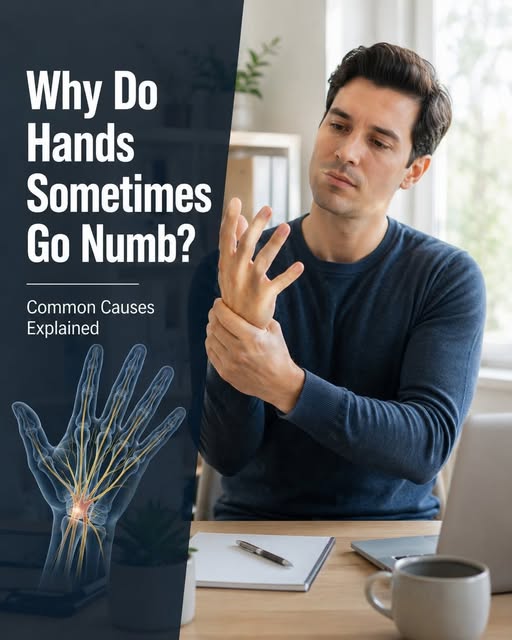
Have you ever woken up with a “pins and needles” sensation in your hand or noticed your fingers suddenly becoming numb while typing, driving, or holding your phone? Occasional hand numbness is common and often harmless, but persistent or recurring numbness may signal an underlying medical condition that deserves attention.
Here’s what you need to know about the common causes of hand numbness, possible treatments, and when it’s important to seek medical care.
What Is Hand Numbness?
Hand numbness refers to a loss of normal sensation in one or both hands. It may occur alongside:
- Tingling or “pins and needles”
- Burning sensations
- Weakness in the hand or fingers
- Difficulty gripping objects
- Pain that radiates into the arm
These symptoms often result from irritation, compression, or damage to the nerves that supply the hand.
1. Carpal Tunnel Syndrome
One of the most common causes of hand numbness is carpal tunnel syndrome.
This condition occurs when the median nerve is compressed as it passes through a narrow passage in the wrist called the carpal tunnel.
Common symptoms include:
- Numbness in the thumb, index, middle, and part of the ring finger
- Tingling that is often worse at night
- Weak grip strength
- Dropping objects unexpectedly
People who frequently type, use vibrating tools, or perform repetitive hand movements may have a higher risk.
2. Poor Circulation
Reduced blood flow can temporarily cause numbness or tingling.
Possible reasons include:
- Sleeping on your arm
- Sitting or standing in one position for too long
- Peripheral artery disease (less common in the hands)
Changing position often restores normal sensation within minutes.
3. Pinched Nerve in the Neck
Problems in the cervical spine, such as a herniated disc or arthritis, can compress nerves that travel into the arm and hand.
Symptoms may include:
- Neck pain
- Shoulder pain
- Arm weakness
- Numbness affecting the entire hand or specific fingers
4. Peripheral Neuropathy
Peripheral neuropathy occurs when the nerves outside the brain and spinal cord become damaged.
Common causes include:
- Diabetes
- Vitamin B12 deficiency
- Excessive alcohol use
- Certain medications
- Autoimmune diseases
Symptoms often begin gradually and may affect both hands and feet.
5. Vitamin Deficiencies
Low levels of certain vitamins—especially vitamin B12—can interfere with healthy nerve function.
Other symptoms may include:
- Fatigue
- Balance problems
- Memory difficulties
- Weakness
A simple blood test can help identify deficiencies.
6. Diabetes
High blood sugar over time can damage nerves throughout the body.
Diabetic neuropathy usually affects the feet first but may also involve the hands, causing:
- Tingling
- Burning pain
- Numbness
- Reduced sensitivity
Good blood sugar management can help slow progression.
7. Raynaud’s Phenomenon
Raynaud’s phenomenon causes small blood vessels in the fingers to narrow in response to cold temperatures or stress.
During an episode, fingers may:
- Turn white or blue
- Feel numb or cold
- Become painful as circulation returns
Keeping the hands warm often helps reduce symptoms.
8. Arthritis
Arthritis in the wrist or hand can cause inflammation that places pressure on nearby nerves.
People may experience:
- Joint pain
- Stiffness
- Swelling
- Reduced range of motion
9. Multiple Sclerosis (Less Common)
Occasionally, numbness in the hand may be an early symptom of a neurological condition such as multiple sclerosis (MS).
MS usually causes additional neurological symptoms, including vision changes, weakness, or balance problems.
When Hand Numbness Is an Emergency
Seek immediate medical attention if hand numbness occurs with:
- Sudden weakness on one side of the body
- Difficulty speaking
- Facial drooping
- Confusion
- Severe headache
- Loss of coordination
These may be signs of a stroke, which requires emergency treatment.
When to See Your Doctor
Schedule a medical evaluation if numbness:
- Lasts more than a few minutes repeatedly
- Occurs frequently without an obvious cause
- Worsens over time
- Interferes with daily activities
- Is accompanied by weakness or severe pain
Your healthcare provider may recommend a physical examination, blood tests, imaging, or nerve conduction studies depending on your symptoms.
Tips to Help Prevent Hand Numbness
Depending on the cause, these strategies may help:
- Take regular breaks from repetitive hand movements.
- Maintain good posture while working.
- Stretch your wrists and fingers throughout the day.
- Control blood sugar if you have diabetes.
- Eat a balanced diet rich in vitamin B12 and other essential nutrients.
- Stay physically active to promote healthy circulation.
- Avoid smoking, which can impair blood flow.
Final Thoughts
Hand numbness is often temporary and harmless, especially if it’s caused by pressure on a nerve or sleeping in an awkward position. However, persistent, recurring, or worsening numbness should not be ignored, as it may signal conditions such as carpal tunnel syndrome, diabetes, nerve compression, or vitamin deficiencies.
If your symptoms continue or are accompanied by weakness, severe pain, or other neurological changes, consult a healthcare professional for an accurate diagnosis and appropriate treatment. Early evaluation can help prevent complications and improve long-term outcomes.