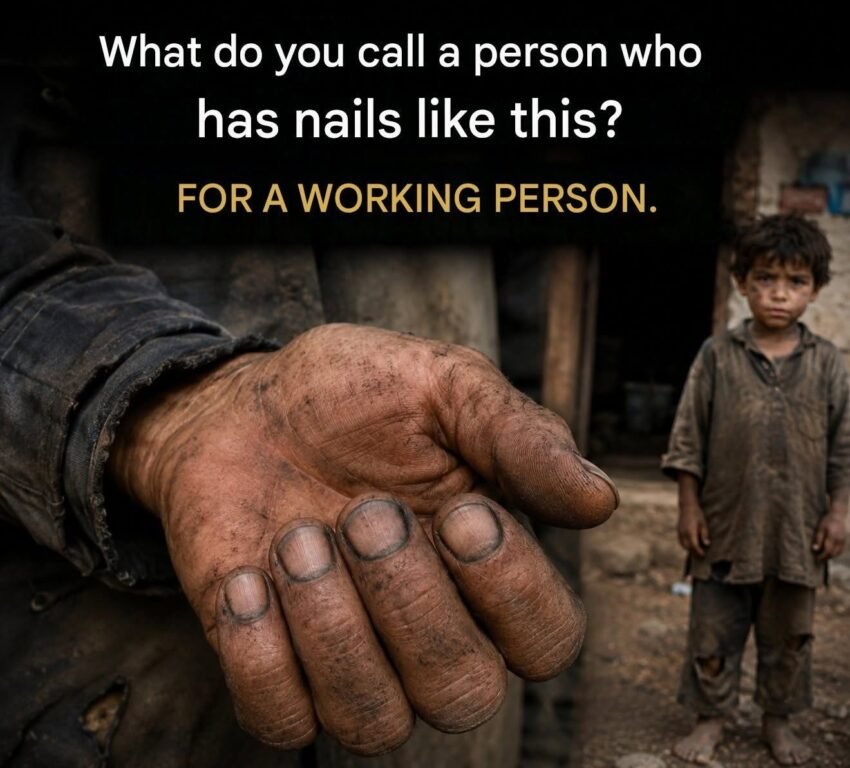
In many cases, nails that appear dirty, cracked, or worn simply reflect the demands of physical labor or limited access to handwashing facilities—not a person’s cleanliness or worth.
Let’s explore what nails like these can mean and how to care for them.
What Do Nails Like These Usually Indicate?
The nails in the image appear to have:
- Dirt or grease trapped beneath the nails
- Dry, rough skin around the fingers
- Short, worn fingernails
- Thickened skin from repeated friction
- Minor cracks and calluses
These features are commonly seen in people who regularly perform manual work, but they are not exclusive to any one profession.
Jobs That Often Lead to Worn or Dirty Nails
People in many occupations may develop nails like these during or after work, including:
- Construction workers
- Farmers
- Gardeners
- Mechanics
- Miners
- Carpenters
- Factory workers
- Landscapers
- Bricklayers
- Welders
- Plumbers
These jobs often involve soil, grease, cement, metal dust, or machinery that can leave hands looking rough even after washing.
Dirty Nails Don’t Always Mean Poor Hygiene
One of the biggest misconceptions is that dirty fingernails automatically indicate someone doesn’t wash their hands.
In reality:
- Grease and engine oil can stain the skin.
- Soil and clay can become lodged under nails.
- Cement dust dries and roughens the skin.
- Repeated washing can actually make hands dry and cracked.
- Some stains require specialized hand cleaners rather than ordinary soap.
Many hardworking people wash their hands frequently but still have stains from their daily work.
How Manual Labor Affects the Hands
Daily physical work can cause:
Thick Calluses
Repeated pressure causes the skin to thicken as a natural protective response.
Dry, Cracked Skin
Exposure to chemicals, detergents, soil, and weather can strip away the skin’s natural oils.
Broken or Worn Nails
Heavy lifting, tool use, and frequent impacts can chip or wear down fingernails.
Permanent Staining
Certain materials—such as grease, motor oil, paint, and some dyes—can temporarily stain the skin and nails.
Could Nails Like These Be a Sign of a Health Problem?
Sometimes nail changes may be related to medical conditions rather than work. Examples include:
- Fungal nail infections: Nails may become thick, yellow, brittle, or crumbly.
- Psoriasis: Small pits, ridges, or nail separation can occur.
- Iron deficiency: Nails may become thin or spoon-shaped.
- Eczema: Skin around the nails may crack and become inflamed.
If nail changes occur without an obvious cause, are painful, or persist despite proper care, it’s a good idea to consult a healthcare professional.
How to Keep Hardworking Hands Healthy
If your job is tough on your hands, these simple habits can help:
Wear Protective Gloves
Use gloves whenever appropriate to reduce exposure to dirt, chemicals, and friction.
Clean Under the Nails
A soft nail brush can help remove dirt more effectively than washing alone.
Moisturize Daily
Apply a rich hand cream after washing and before bed to prevent dryness and cracking.
Trim Nails Regularly
Keeping nails short makes it harder for dirt to accumulate underneath them.
Protect Small Cuts
Even minor cracks or cuts should be cleaned and covered to reduce the risk of infection.
When Should You See a Doctor?
Seek medical advice if you notice:
- Nails becoming very thick or crumbly
- Persistent pain or swelling around a nail
- Pus or signs of infection
- Dark streaks that don’t result from an injury
- Nails separating from the nail bed
- Significant changes in nail shape or color
These symptoms may require medical evaluation and treatment.
Frequently Asked Questions
What do you call someone with nails like this?
There isn’t a specific name for a person with nails like these. The appearance may simply reflect manual work, recent exposure to dirt or grease, or other everyday factors. You cannot identify someone’s occupation or personal habits from their nails alone.
Are dirty nails unhealthy?
Not necessarily. Dirt under the nails is common after physical work. However, keeping nails clean helps reduce the risk of infections, especially before eating or preparing food.
Can manual labor permanently change nails?
Yes. Years of repetitive work can lead to thicker skin, calluses, and nails that appear more worn or ridged, though proper hand care can help maintain healthy nails.
What’s the best way to clean heavily soiled nails?
Wash with warm water and soap, use a soft nail brush to clean under the nails, and apply moisturizer afterward. For grease or oil stains, a hand cleaner specifically designed for mechanics or industrial work may be more effective.
The Bottom Line
Hands tell a story—but they don’t tell the whole story. Nails that appear rough, dirty, or worn are often the result of hard physical work, repeated exposure to soil, grease, or building materials, or other daily activities. They should not be used to judge a person’s cleanliness, profession, or character.
Instead of focusing on appearance alone, remember that healthy hand care, protective equipment, and regular cleaning can help keep hardworking hands strong and comfortable, regardless of the job they do.