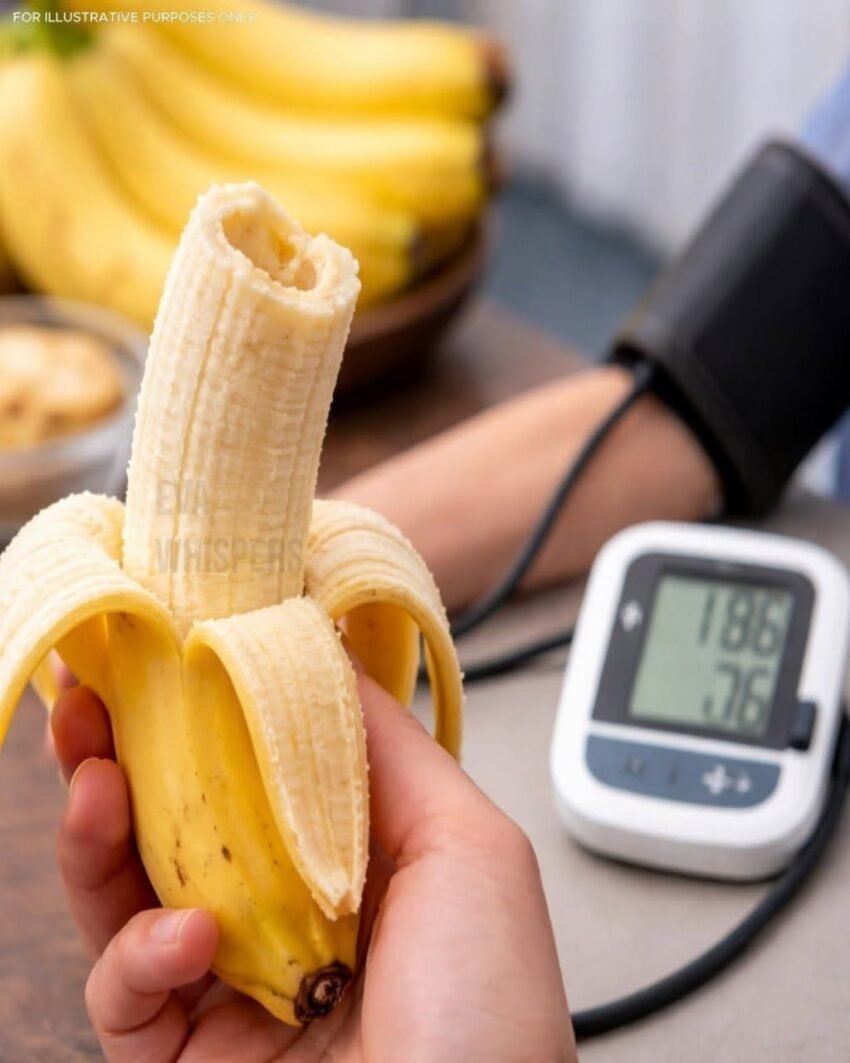
Bananas are among the world’s most popular fruits—and for good reason. They’re affordable, naturally sweet, easy to carry, and packed with essential nutrients. But beyond being a convenient snack, bananas have earned a reputation for supporting heart health, particularly when it comes to maintaining healthy blood pressure.
Can eating one banana every day really make a difference? The answer is more nuanced than many headlines suggest. While bananas are not a cure for high blood pressure, they can be an important part of a balanced diet that supports cardiovascular health.
Let’s explore the science behind bananas, blood pressure, and how to enjoy this nutritious fruit as part of a healthy lifestyle.
Understanding Blood Pressure
Blood pressure is the force your blood exerts against the walls of your arteries as your heart pumps. It is measured using two numbers:
- Systolic pressure: The pressure when the heart contracts.
- Diastolic pressure: The pressure when the heart relaxes.
Consistently high blood pressure (hypertension) can increase the risk of:
- Heart disease
- Stroke
- Kidney disease
- Vision problems
- Heart failure
Lifestyle habits—including diet—play a major role in maintaining healthy blood pressure.
Why Bananas Are Good for Blood Pressure
The biggest reason bananas are associated with healthy blood pressure is their impressive potassium content.
One medium banana provides approximately:
- 105 calories
- 27 grams carbohydrates
- 3 grams fiber
- 14 grams natural sugar
- About 420 mg potassium
- Vitamin B6
- Vitamin C
- Magnesium
- Antioxidants
Among these nutrients, potassium is the star for blood pressure support.
How Potassium Helps Lower Blood Pressure
Potassium works in several beneficial ways.
1. Balances Sodium
Many people consume far more sodium than recommended through processed foods, fast food, canned soups, and salty snacks.
Too much sodium causes the body to retain water, increasing blood volume and raising blood pressure.
Potassium helps the kidneys remove excess sodium through urine, reducing fluid retention.
2. Relaxes Blood Vessel Walls
Potassium helps blood vessels remain flexible.
Relaxed blood vessels allow blood to flow more easily, reducing pressure inside the arteries.
3. Supports Healthy Heart Function
Potassium helps regulate normal heart rhythm and muscle contractions.
Adequate potassium intake contributes to overall cardiovascular health.
Scientific Research on Bananas and Blood Pressure
Numerous studies have shown that diets rich in potassium are associated with:
- Lower blood pressure
- Reduced stroke risk
- Improved heart health
- Better vascular function
However, these benefits come from an overall healthy dietary pattern—not bananas alone.
One banana daily can help increase potassium intake, especially if your diet is otherwise low in fruits and vegetables.
Is One Banana Enough?
A medium banana provides around 9–12% of the daily potassium needs for most adults.
Most healthy adults need roughly:
- Women: about 2,600 mg/day
- Men: about 3,400 mg/day
Eating one banana daily contributes meaningfully but should be combined with other potassium-rich foods.
Examples include:
- Spinach
- Sweet potatoes
- Avocados
- White beans
- Lentils
- Yogurt
- Tomatoes
- Oranges
Additional Health Benefits of Eating Bananas Daily
Besides supporting healthy blood pressure, bananas provide many other benefits.
Supports Digestive Health
Bananas contain dietary fiber that helps:
- Improve digestion
- Support healthy gut bacteria
- Reduce constipation
- Promote regular bowel movements
Provides Long-Lasting Energy
Bananas supply natural carbohydrates that provide quick yet sustained energy.
They’re excellent before:
- Walking
- Running
- Gym workouts
- Cycling
- Hiking
Supports Muscle Function
Potassium and magnesium help muscles contract properly.
Athletes often choose bananas to replenish minerals lost through sweating.
Rich in Antioxidants
Bananas contain natural antioxidants including:
- Dopamine
- Catechins
These compounds help reduce oxidative stress in the body.
May Help Improve Mood
Bananas contain vitamin B6, which helps produce neurotransmitters involved in mood regulation.
While bananas aren’t a treatment for depression, they contribute to overall nutritional wellness.
Organic Banana Smoothie for Heart Health
This simple recipe is packed with nutrients that support cardiovascular wellness.
Ingredients
- 1 organic ripe banana
- 1 cup organic spinach
- 1 cup unsweetened almond milk
- 1 tablespoon ground flaxseed
- ½ teaspoon cinnamon
- Ice cubes
Instructions
- Wash the spinach thoroughly.
- Add all ingredients to a blender.
- Blend until smooth.
- Serve immediately.
This smoothie provides potassium, fiber, healthy fats, and antioxidants.
Banana Oat Breakfast Bowl
Ingredients
- 1 organic banana, sliced
- ½ cup rolled oats
- 1 cup milk or plant milk
- 1 tablespoon chia seeds
- Fresh berries
- Sprinkle of cinnamon
Directions
Cook the oats according to package directions.
Top with banana slices, berries, chia seeds, and cinnamon.
Enjoy as a heart-friendly breakfast.
Banana Chia Pudding
Ingredients
- 1 mashed organic banana
- 2 tablespoons chia seeds
- 1 cup almond milk
- Vanilla extract
- Cinnamon
Mix everything together and refrigerate overnight.
Serve chilled for a fiber-rich breakfast or snack.
Can Eating Too Many Bananas Be Harmful?
Although bananas are healthy, moderation matters.
Eating several bananas every day may lead to:
- Excess calorie intake
- Too much sugar for some people
- Digestive discomfort in sensitive individuals
People with kidney disease may need to limit potassium intake because their kidneys may not remove excess potassium effectively. If you have kidney disease or have been advised to follow a low-potassium diet, consult your healthcare provider before increasing banana consumption.
Other Lifestyle Habits That Help Lower Blood Pressure
For the greatest benefit, pair a healthy diet with other heart-friendly habits:
- Eat more fruits and vegetables.
- Limit processed foods high in sodium.
- Exercise regularly.
- Maintain a healthy weight.
- Stay hydrated.
- Get enough sleep.
- Manage stress.
- Avoid smoking.
- Limit alcohol intake.
These lifestyle changes often have a greater impact than any single food.
Common Myths About Bananas and Blood Pressure
Myth: Bananas instantly lower blood pressure.
Fact: Bananas support long-term heart health but do not provide an immediate reduction in blood pressure.
Myth: One banana cures hypertension.
Fact: High blood pressure usually requires a combination of healthy eating, exercise, weight management, and, for many people, prescribed medication.
Myth: More bananas are always better.
Fact: Balance is key. Eating a variety of fruits and vegetables provides a wider range of nutrients than relying on one food.
Final Thoughts
Eating a banana every day can be a simple, nutritious habit that supports healthy blood pressure as part of an overall balanced diet. Bananas are naturally rich in potassium, fiber, vitamin B6, and antioxidants, all of which contribute to heart health. However, no single food can prevent or treat high blood pressure on its own.
For the best results, combine a banana with a diet rich in fruits, vegetables, whole grains, lean proteins, and healthy fats while maintaining regular physical activity and following your healthcare provider’s advice if you have hypertension or other medical conditions.
A daily banana is a healthy choice for most people—but it’s the overall pattern of healthy living that makes the biggest difference for your heart.