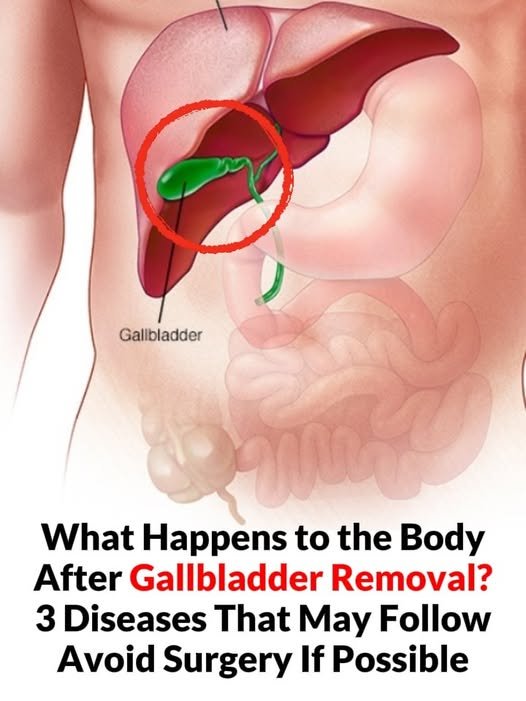
The gallbladder is a small organ that stores bile, a digestive fluid produced by the liver. When you eat fatty foods, the gallbladder releases bile into the small intestine to help digest fats. While many people live healthy lives after gallbladder removal (cholecystectomy), the surgery can lead to changes in digestion and may be associated with certain long-term health issues in some individuals. It’s important to note that gallbladder removal is often the safest and most effective treatment for painful gallstones, gallbladder inflammation, or other serious gallbladder diseases. Delaying surgery when it’s medically necessary can lead to severe complications. Rather than avoiding surgery at all costs, the decision should be made with your healthcare provider based on your specific condition.
Why Is the Gallbladder Removed?
Common reasons for gallbladder removal include:
- Symptomatic gallstones causing pain or repeated attacks
- Acute or chronic gallbladder inflammation (cholecystitis)
- Gallstones blocking the bile ducts
- Gallbladder infection
- Gallbladder polyps with concerning features
- Rarely, suspected gallbladder cancer
Many people with gallstones never need surgery if they have no symptoms. Treatment depends on the severity of the disease and the risk of complications.
What Changes After Gallbladder Removal?
Without a gallbladder, bile is no longer stored and released in concentrated amounts during meals. Instead, bile flows continuously from the liver into the small intestine.
Most people adjust well over time, but some may notice:
- Loose stools or diarrhea, especially after fatty meals
- Bloating
- Gas
- Mild indigestion
- Difficulty tolerating very greasy foods
These symptoms are often temporary, though some people experience ongoing digestive changes.
1. Bile Acid Diarrhea
One of the more common digestive issues after gallbladder removal is bile acid diarrhea.
Without the gallbladder regulating bile release, excess bile acids may reach the colon, where they can stimulate water secretion and increase bowel movements.
Symptoms
- Frequent loose stools
- Urgent need to use the bathroom
- Diarrhea after eating
- Cramping
Management
Many people improve with:
- Eating smaller, more frequent meals
- Limiting very fatty foods
- Increasing soluble fiber (if appropriate)
- Prescription bile acid-binding medications when recommended by a healthcare provider
2. Post-Cholecystectomy Syndrome
Some people continue to experience digestive symptoms after surgery, a group of symptoms sometimes referred to as post-cholecystectomy syndrome.
Possible symptoms include:
- Upper abdominal pain
- Indigestion
- Nausea
- Bloating
- Heartburn
- Diarrhea
These symptoms can have several causes, including bile duct issues, acid reflux, irritable bowel syndrome (IBS), or unrelated digestive conditions. Persistent symptoms should be evaluated by a healthcare provider rather than assumed to be a normal result of surgery.
3. Changes in Gut Health and Metabolism
Research suggests gallbladder removal may be associated with changes in bile flow and the gut microbiome. Some studies have explored possible links with conditions such as:
- Fatty liver disease
- Changes in cholesterol metabolism
- Altered gut bacteria
However, these associations do not mean gallbladder removal directly causes these conditions, and more research is needed. Many factors—such as diet, body weight, diabetes, and genetics—also play significant roles.
Can You Avoid Gallbladder Surgery?
If gallstones are present but not causing symptoms, surgery may not be necessary. In many cases, doctors recommend monitoring rather than immediate removal.
However, surgery is often recommended if you have:
- Recurrent gallbladder attacks
- Severe pain
- Gallbladder inflammation
- Gallstones causing blockage
- Pancreatitis caused by gallstones
- Other complications
Ignoring these problems can increase the risk of serious infections, pancreatitis, or gallbladder rupture.
Tips for Digestive Health After Gallbladder Removal
Many people recover well by following healthy eating habits, including:
- Eating smaller meals throughout the day
- Gradually reintroducing higher-fat foods
- Choosing healthy fats in moderation
- Eating plenty of fruits, vegetables, and whole grains
- Staying hydrated
- Limiting highly processed and fried foods
- Following your healthcare provider’s dietary advice during recovery
When Should You Seek Medical Care?
Contact your healthcare provider if you experience:
- Severe or worsening abdominal pain
- Fever or chills
- Persistent vomiting
- Yellowing of the skin or eyes (jaundice)
- Dark urine or pale stools
- Ongoing diarrhea that doesn’t improve
- Significant weight loss
These symptoms may indicate complications or another medical condition requiring evaluation.
Final Thoughts
Gallbladder removal is one of the most common surgeries worldwide and is generally safe and effective when medically indicated. While some people experience digestive changes—such as bile acid diarrhea or ongoing digestive discomfort—most adapt well over time with appropriate dietary adjustments and medical care when needed.
The goal should not be to avoid surgery at all costs, but to make an informed decision with your healthcare provider. If gallbladder disease is causing repeated pain or serious complications, timely treatment can prevent more severe health problems.
Medical Disclaimer: This article is for educational purposes only and should not replace professional medical advice, diagnosis, or treatment. If you have symptoms of gallbladder disease or concerns after surgery, consult a qualified healthcare professional.