Atorvastatin is a prescription medication that belongs to a group of medicines called statins. It is commonly prescribed to lower “bad” cholesterol (LDL) and triglycerides while helping increase “good” cholesterol (HDL). By improving cholesterol levels, atorvastatin helps reduce the risk of heart attacks, strokes, and other cardiovascular problems.
Millions of people around the world take atorvastatin every day as part of a treatment plan that often includes a heart-healthy diet, regular exercise, and other lifestyle changes.
Note: This article is for educational purposes only and is not a substitute for medical advice. Always take atorvastatin exactly as prescribed by your healthcare provider.
What Is Atorvastatin?
Atorvastatin works by blocking an enzyme in the liver called HMG-CoA reductase, which the body uses to produce cholesterol. When the liver makes less cholesterol, it removes more LDL cholesterol from the bloodstream, helping keep blood vessels healthier.
Atorvastatin is available as a generic medicine and under brand names in some countries. It is usually taken once a day, with or without food.
Why Is Atorvastatin Commonly Prescribed?
Doctors prescribe atorvastatin for several reasons, including:
1. High LDL (“Bad”) Cholesterol
High LDL cholesterol can build up inside the arteries, forming plaques that narrow blood vessels and increase the risk of heart disease.
Atorvastatin helps:
- Lower LDL cholesterol
- Slow plaque buildup
- Improve overall cardiovascular health
2. Preventing Heart Attacks
People with heart disease—or those at high risk due to conditions like diabetes or high blood pressure—may take atorvastatin to reduce the chance of having a heart attack.
It can be prescribed even if cholesterol levels are not extremely high when the overall cardiovascular risk is elevated.
3. Reducing Stroke Risk
By lowering cholesterol and helping stabilise plaque in the arteries, atorvastatin can reduce the risk of certain types of stroke caused by blocked blood vessels.
4. Managing High Triglycerides
Triglycerides are another type of fat found in the blood. High levels may increase the risk of cardiovascular disease.
Atorvastatin can help lower triglyceride levels alongside lifestyle changes.
5. Protecting People with Diabetes
People with diabetes have a higher risk of heart disease and stroke. Many adults with diabetes are prescribed a statin because it helps lower cardiovascular risk, even when cholesterol is only moderately elevated.
Who May Need Atorvastatin?
Your healthcare provider may recommend atorvastatin if you:
- Have high LDL cholesterol
- Have had a heart attack or stroke
- Have coronary artery disease
- Have diabetes
- Have high blood pressure and other cardiovascular risk factors
- Have a strong family history of early heart disease
- Have certain inherited cholesterol disorders
The decision is based on your overall risk profile, not just your cholesterol numbers.
How Is It Taken?
Most people take atorvastatin:
- Once daily
- At the same time each day
- With or without food
- Alongside healthy lifestyle habits
Do not stop taking atorvastatin without discussing it with your healthcare provider, as cholesterol levels may rise again.
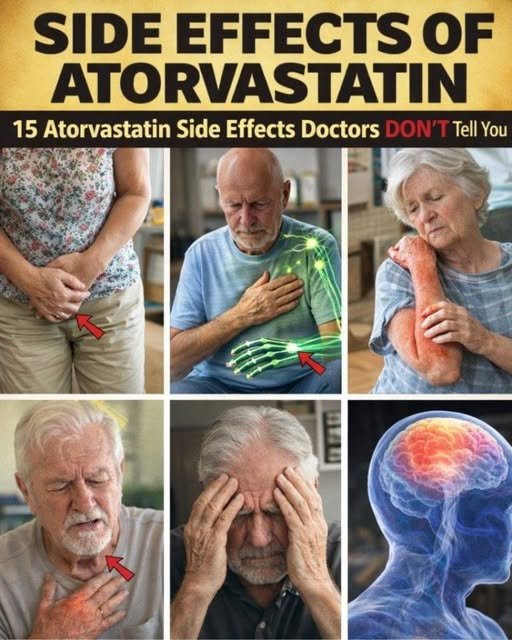
Possible Side Effects
Many people take atorvastatin without significant problems, but side effects can occur.
Common side effects include:
- Muscle aches
- Joint pain
- Mild digestive upset
- Headache
Less common but potentially serious side effects include:
- Severe muscle pain or weakness
- Dark-coloured urine
- Signs of liver problems, such as yellowing of the skin or eyes
If you experience severe muscle symptoms or signs of liver problems, seek medical attention promptly.
Tips While Taking Atorvastatin
To get the most benefit:
- Take the medicine consistently.
- Eat a diet rich in vegetables, fruits, whole grains, and lean proteins.
- Limit foods high in saturated and trans fats.
- Stay physically active.
- Keep follow-up appointments and cholesterol blood tests.
- Tell your healthcare provider about all medicines and supplements you take, as some can interact with atorvastatin.
Can Lifestyle Changes Replace Atorvastatin?
For some people with mildly elevated cholesterol, lifestyle changes alone may be enough. These include:
- Eating a heart-healthy diet
- Exercising regularly
- Maintaining a healthy weight
- Not smoking
- Limiting alcohol
However, many people—especially those with existing heart disease, diabetes, or very high cardiovascular risk—still benefit from atorvastatin even when they follow a healthy lifestyle.
Final Thoughts
Atorvastatin is one of the most commonly prescribed cholesterol-lowering medications because it has been shown to reduce the risk of heart attacks, strokes, and other cardiovascular events in many people. When combined with healthy lifestyle habits and regular medical care, it can play an important role in protecting long-term heart health.
If you have questions about whether atorvastatin is right for you, or if you’re experiencing side effects, speak with your healthcare provider before making any changes to your medication.