We all have a favorite sleeping position. Some people curl up on their left side, others prefer lying on their back, and many naturally drift off on their right side. But have you ever wondered if sleeping on your right side could affect your health?
The good news is that for most people, sleeping on the right side is perfectly safe. However, depending on your health and lifestyle, it may come with a few drawbacks worth knowing about.
Is It Safe to Sleep on Your Right Side?
Yes. For the vast majority of healthy adults, sleeping on the right side is not harmful. In fact, side sleeping is often considered one of the healthiest sleep positions because it can reduce snoring, help keep your airway open, and support proper spinal alignment when paired with the right pillow and mattress.
That said, there are certain situations where sleeping on your right side may not be the best choice.
Potential Risks of Sleeping on Your Right Side
1. It May Worsen Acid Reflux
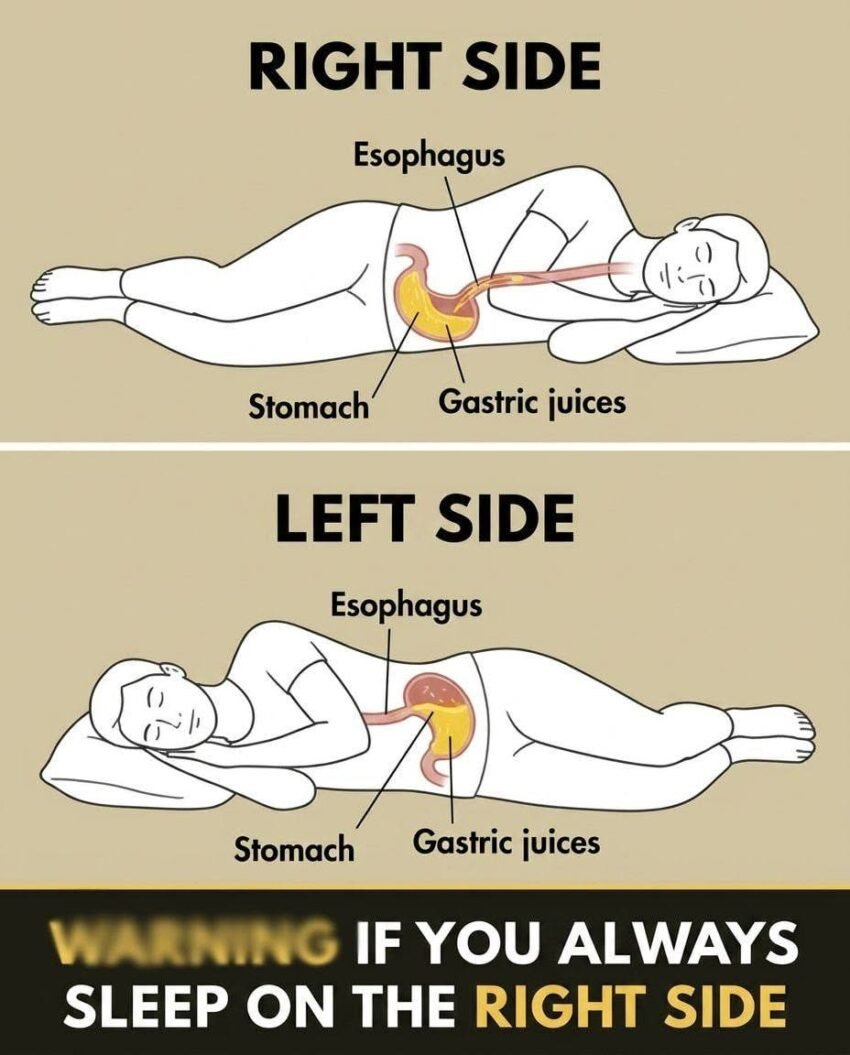
If you suffer from acid reflux or gastroesophageal reflux disease (GERD), your sleeping position can make a noticeable difference. Studies suggest that sleeping on the right side may allow stomach acid to move more easily into the esophagus, increasing the likelihood of heartburn during the night.
People with frequent reflux often find greater relief by sleeping on their left side instead.
2. It Can Increase Pressure on Your Shoulder and Hip
Spending several hours on your right side places continuous pressure on your right shoulder and hip. Over time, this may lead to discomfort, especially if you already have arthritis, bursitis, or shoulder injuries.
Using a supportive mattress and a pillow between your knees can help reduce pressure and improve comfort.
3. It May Be Less Ideal During Pregnancy
Healthcare providers commonly recommend that pregnant women—particularly during the second and third trimesters—sleep on their left side. This position may improve blood flow to the baby, uterus, and kidneys.
While sleeping on the right side occasionally is generally not considered dangerous, the left side remains the preferred position for extended sleep.
4. It Can Cause Temporary Numbness
Remaining in one position all night may compress nerves or reduce circulation to your arm or shoulder. This can result in waking up with numbness, tingling, or a “pins and needles” sensation.
Changing positions occasionally and using a pillow that keeps your neck properly aligned can minimize this issue.
5. It May Contribute to Facial Wrinkles
Although it isn’t a medical concern, consistently sleeping on the same side of your face can create repeated pressure on the skin. Over many years, this may contribute to sleep lines and subtle facial asymmetry.
Sleeping on a silk pillowcase or changing positions may help reduce long-term skin compression.
Are There Any Benefits?
Absolutely. Sleeping on your right side offers several advantages, including:
- Reducing snoring in many people.
- Helping keep the airway open for some individuals with mild sleep apnea.
- Supporting healthy spinal alignment when using the right pillow.
- Providing a comfortable sleeping position for people who cannot sleep on their back.
Tips for Comfortable Side Sleeping
If you naturally prefer sleeping on your right side, you can make it more comfortable by:
- Using a pillow that keeps your head and neck aligned with your spine.
- Placing a pillow between your knees to reduce pressure on your hips.
- Choosing a medium-firm mattress that supports your shoulders and hips evenly.
- Avoiding large meals before bedtime if you experience acid reflux.
- Changing positions occasionally during the night to reduce pressure on one side of the body.
Final Thoughts
Sleeping on your right side is generally safe and comfortable for most people. While it may not be the ideal choice for individuals with acid reflux, certain pregnancy-related concerns, or chronic shoulder pain, it poses little risk for healthy adults.
Ultimately, the best sleeping position is the one that allows you to sleep soundly, wake up refreshed, and avoid pain or discomfort. If you have a specific medical condition or ongoing sleep issues, speaking with a healthcare professional can help you determine the most suitable sleeping position for your needs.