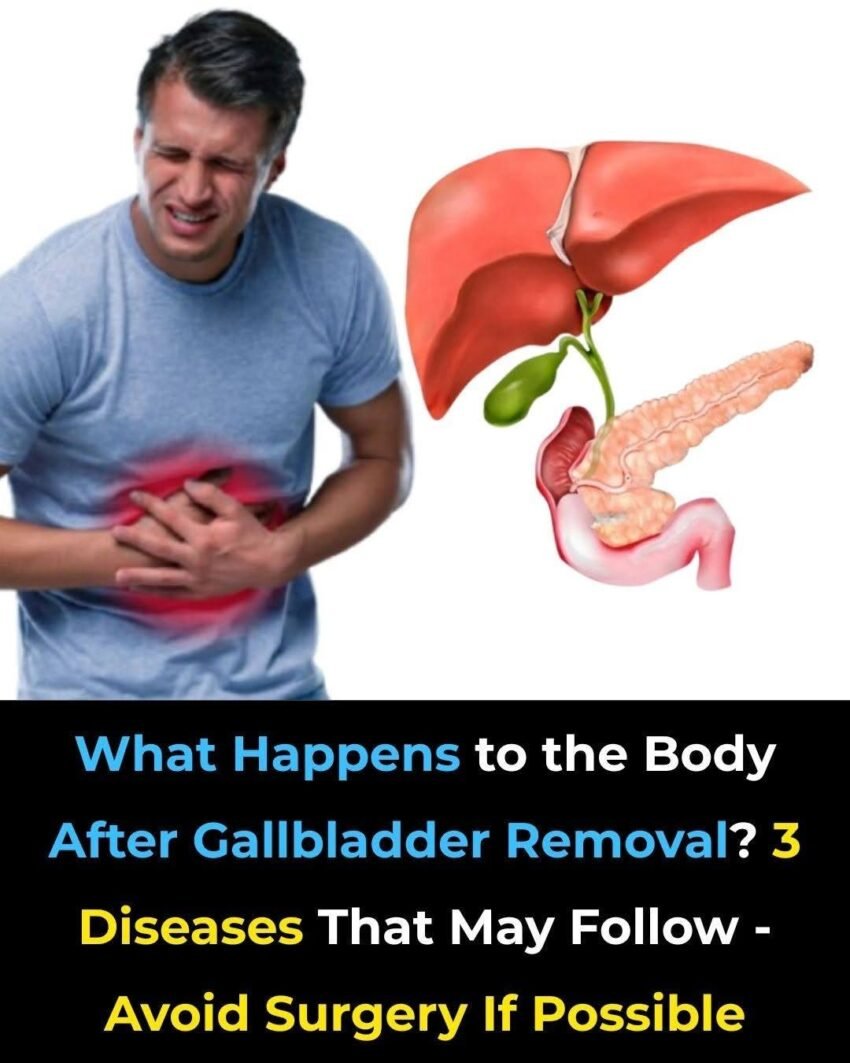
Gallbladder surgery, also known as a cholecystectomy, is one of the most common abdominal procedures performed worldwide. For many people, it provides lasting relief from painful gallstones, inflammation, or other gallbladder problems. While most patients recover well and return to normal activities within a few weeks, it’s common to experience temporary digestive changes as the body adjusts to life without a gallbladder.
Understanding what to expect after surgery—including common side effects, recovery milestones, and dietary recommendations—can help you heal more comfortably and reduce unnecessary worry.
Why Is the Gallbladder Removed?
The gallbladder is a small, pear-shaped organ located beneath the liver. Its main role is to store and concentrate bile, a digestive fluid produced by the liver that helps break down fats.
Doctors may recommend gallbladder removal for conditions such as:
- Symptomatic gallstones
- Repeated gallbladder attacks (biliary colic)
- Acute or chronic gallbladder inflammation (cholecystitis)
- Gallbladder polyps with concerning features
- Blocked bile ducts caused by gallstones
- Gallstone-related pancreatitis
Fortunately, the liver continues producing bile after surgery. Instead of being stored in the gallbladder, bile flows directly into the small intestine.
What Happens Immediately After Surgery?
Most gallbladder removals are performed using laparoscopic (minimally invasive) surgery, which involves several small incisions. Recovery is usually faster than with open surgery.
During the first few days, you may experience:
- Mild to moderate abdominal pain
- Shoulder pain caused by the gas used during laparoscopy
- Fatigue
- Nausea
- Bloating
- Tenderness around the incision sites
These symptoms generally improve over several days.
Common Side Effects After Gallbladder Surgery
Most side effects are temporary, but some people notice digestive changes that can last longer.
1. Diarrhea
One of the most common complaints after gallbladder removal is loose stools.
Without the gallbladder regulating bile release, bile continuously enters the intestine. In some people, this can stimulate bowel movements.
For most patients, diarrhea improves within a few weeks or months.
2. Bloating and Gas
Many people notice increased gas or abdominal bloating after surgery.
This may occur because your digestive system is adjusting to a new pattern of bile flow.
Eating smaller meals and avoiding excessive fatty foods may help reduce discomfort.
3. Difficulty Digesting Fatty Foods
Large, high-fat meals may be harder to digest immediately after surgery.
Common trigger foods include:
- Fried chicken
- French fries
- Pizza
- Cream sauces
- Fatty cuts of meat
- Fast food
- Rich desserts
These foods may cause cramping, diarrhea, or indigestion, especially during early recovery.
4. Temporary Constipation
Pain medications, reduced activity, and anesthesia can contribute to constipation after surgery.
Helpful strategies include:
- Drinking enough water
- Eating fiber-rich foods gradually
- Walking daily as recommended by your healthcare provider
5. Mild Incision Discomfort
The surgical incisions may remain sore for one to two weeks.
Contact your healthcare provider if you notice:
- Increasing redness
- Swelling
- Pus-like drainage
- Fever
- Severe worsening pain
These may indicate infection.
Recovery Timeline
Although every person heals differently, many patients follow a similar pattern.
First 24–48 Hours
- Rest at home
- Walk short distances several times a day
- Drink clear fluids
- Begin light meals if tolerated
First Week
- Mild soreness continues
- Appetite gradually improves
- Most people resume light household activities
Two to Four Weeks
- Many patients return to work, depending on their occupation
- Energy levels improve
- Digestive symptoms often lessen
Four to Six Weeks
Most people can gradually resume normal physical activities after medical clearance.
Best Foods to Eat After Gallbladder Surgery
During recovery, choose foods that are gentle on your digestive system.
Lean Proteins
Good options include:
- Skinless chicken
- Turkey
- Fish
- Eggs (if well tolerated)
- Tofu
- Beans and lentils in moderate amounts
Whole Grains
Choose easily digestible grains such as:
- Oatmeal
- Brown rice
- Whole wheat bread
- Quinoa
Fiber should be increased gradually to avoid excess gas.
Fruits
Fresh fruits provide vitamins and hydration.
Examples include:
- Bananas
- Apples
- Berries
- Melons
- Pears
Vegetables
Cooked vegetables may be easier to tolerate initially.
Good choices include:
- Carrots
- Green beans
- Spinach
- Sweet potatoes
- Zucchini
Low-Fat Dairy
If tolerated, consider:
- Low-fat yogurt
- Skim milk
- Cottage cheese
- Reduced-fat cheese
Some people may experience temporary lactose sensitivity after surgery.
Foods to Limit During Early Recovery
Although many people eventually return to a regular diet, it may help to temporarily avoid:
- Fried foods
- Greasy meals
- Bacon and sausage
- High-fat cheese
- Heavy cream
- Butter in large amounts
- Spicy foods if they trigger symptoms
- Sugary desserts
- Carbonated drinks if they worsen bloating
- Alcohol until your healthcare provider says it’s safe
Helpful Eating Tips
Simple habits can make digestion easier after surgery.
- Eat five to six smaller meals instead of two or three large ones.
- Chew food thoroughly.
- Introduce new foods gradually.
- Drink plenty of water throughout the day.
- Limit very fatty meals.
- Keep a food diary if certain foods seem to trigger symptoms.
Can You Live Normally Without a Gallbladder?
Yes. Most people live healthy, active lives without a gallbladder.
Over time, the digestive system usually adapts to the continuous flow of bile, allowing many individuals to tolerate a wide variety of foods again.
However, some people may continue to experience occasional digestive symptoms, especially after large or high-fat meals.
When to Contact Your Doctor
Seek medical attention promptly if you experience:
- Fever above 100.4°F (38°C)
- Persistent vomiting
- Severe abdominal pain
- Yellowing of the skin or eyes (jaundice)
- Redness or drainage from surgical wounds
- Inability to eat or drink
- Persistent diarrhea lasting several weeks
- Chest pain or difficulty breathing
These symptoms could indicate complications that require medical evaluation.
Frequently Asked Questions
How long should I follow a low-fat diet?
Many healthcare providers recommend eating a lower-fat diet for several weeks after surgery. As your body adjusts, you can gradually reintroduce healthy fats based on your tolerance and your doctor’s advice.
Will I always have diarrhea?
No. Most people experience improvement within weeks to months. If diarrhea is severe or persists, your doctor may recommend additional evaluation or treatment.
Can I eat eggs after gallbladder surgery?
Many people tolerate eggs well, especially when boiled or poached. Others may find that egg yolks trigger symptoms initially. Introduce them gradually and monitor how your body responds.
Can I exercise after surgery?
Light walking is encouraged soon after surgery. Avoid heavy lifting and strenuous exercise until your surgeon confirms it’s safe, usually after several weeks.
Final Thoughts
Gallbladder surgery is generally a safe and effective treatment for painful gallbladder disease. While temporary digestive changes such as diarrhea, bloating, or difficulty digesting fatty foods are common, most people recover well with time.
Following a balanced, low-fat diet during the early weeks, eating smaller meals, staying hydrated, and gradually expanding your food choices can make recovery smoother. If you experience severe pain, fever, persistent vomiting, jaundice, or ongoing digestive problems, contact your healthcare provider promptly for evaluation.
Disclaimer: This article is for informational purposes only and should not be considered medical advice. Always follow your surgeon’s instructions and consult a qualified healthcare professional regarding your individual recovery and dietary needs.