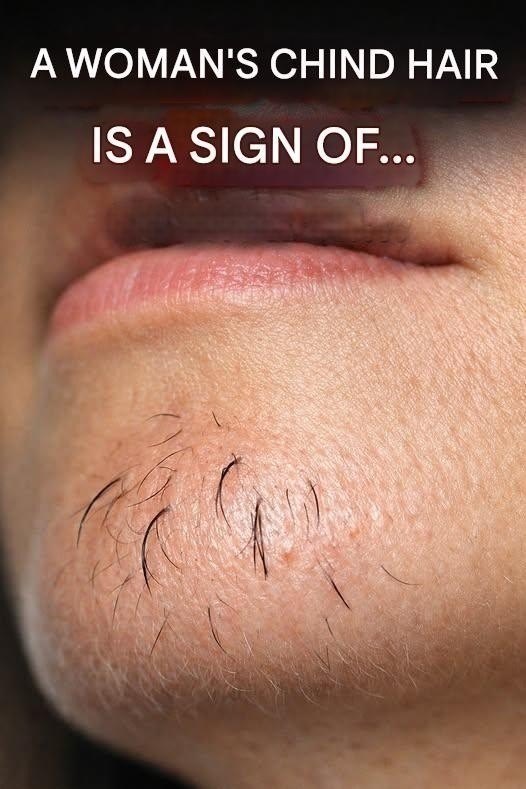
Chin hair in women is usually caused by normal hormonal variation, but in some cases it can signal an underlying medical condition. A small amount of fine or occasional coarse hair on the chin is common—what matters is how much, how fast it grows, and whether it’s new or increasing over time.
Common reasons chin hair grows in women
1. Normal hormones (most common)
Women naturally produce small amounts of androgens (male-type hormones). Even normal levels can stimulate a few coarse hairs on the chin or upper lip, especially:
- After puberty
- With aging
- Around menopause (when estrogen drops)
2. Genetic tendency
If your mother or sisters have similar facial hair, it’s often just inherited hair follicle sensitivity—not a disease.
3. Hormonal imbalance (androgens too high)
When androgen levels are higher than usual, hair can become thicker and darker in “male-pattern” areas (chin, jawline, chest). This pattern is called Hirsutism.
Common causes include:
- Polycystic Ovary Syndrome (PCOS) – the most common cause
- Often comes with irregular periods, acne, weight gain, or scalp hair thinning
- Insulin resistance
- Certain medications (like steroids or some hormone treatments)
- Rarely, adrenal or ovarian disorders
4. Age-related hormonal shifts
As estrogen decreases (especially in late 30s–50s), androgens can have a relatively stronger effect, leading to new chin or jawline hair.
5. Idiopathic hirsutism (no clear cause)
Some women have normal hormone tests but still develop excess facial hair due to increased follicle sensitivity.
When chin hair may indicate a problem
It’s worth checking with a doctor if you notice:
- Sudden increase in facial hair
- Rapid growth over months
- Irregular or missed periods
- Acne that worsens after adolescence
- Deepening voice or increased muscle mass (rare, but important)
What you can do about it
- Cosmetic options: threading, waxing, shaving, laser hair removal
- Medical options (if hormonal cause): birth control pills, anti-androgen medications (doctor-prescribed)
- Lifestyle changes (especially if PCOS is involved): weight management and insulin control can help regulate hormones
If you want, tell me your age and whether your periods are regular—I can help you figure out whether it sounds like normal hair growth or something worth getting checked.