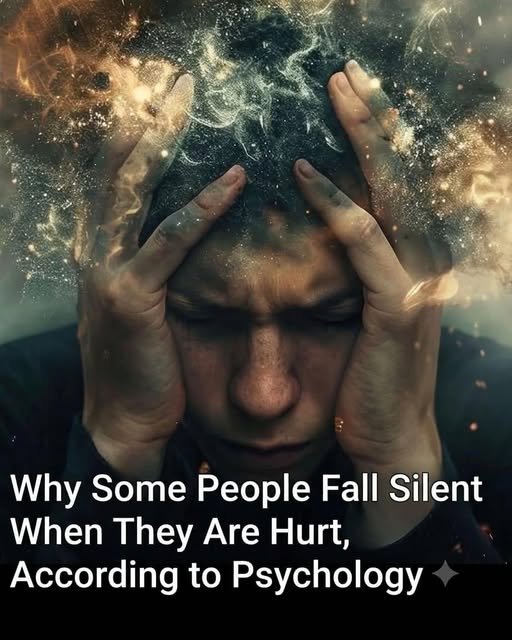
Some people remain silent when they are hurt because silence can be a way of protecting themselves, processing emotions, or avoiding a situation they feel unable to handle. It does not always mean they do not care or that the pain is small. People respond to hurt in different ways depending on their personality, experiences, relationships, and coping habits.
Here are some common reasons:
1. They Need Time to Process Their Feelings
Some people cannot immediately explain what they feel. When they are hurt, they may need time to:
- Understand what happened.
- Calm intense emotions.
- Decide what they want to say.
Speaking while angry or overwhelmed may feel risky to them.
2. They Fear Making Things Worse
A person may stay quiet because they worry that expressing their hurt will:
- Start an argument.
- Cause conflict.
- Lead to rejection.
- Damage the relationship.
Silence can feel safer than confrontation.
3. They Learned to Hide Pain
Some people grew up in environments where emotions were not openly discussed. They may have learned beliefs like:
- “Keep your problems to yourself.”
- “Showing emotions is weakness.”
- “Nobody will understand.”
As adults, they may automatically withdraw when hurt.
4. They Do Not Feel Heard or Understood
If someone has tried to express feelings in the past and felt dismissed, they may stop trying.
They may think:
- “It won’t change anything.”
- “They won’t listen anyway.”
- “Explaining myself is exhausting.”
5. They Are Protecting Their Dignity
Some people prefer silence because they do not want to:
- Beg for understanding.
- Reveal how deeply they were affected.
- Appear vulnerable.
Their silence may be a way of maintaining emotional control.
6. They Are Avoiding Emotional Overload
When emotions become intense, some people enter a “shutdown” response. They may:
- Become quiet.
- Pull away.
- Need space.
- Struggle to find words.
This can happen during sadness, disappointment, fear, or stress.
7. They Express Pain Through Actions Instead of Words
Not everyone communicates hurt verbally. Some people show it by:
- Becoming less affectionate.
- Spending more time alone.
- Changing their behavior.
- Becoming unusually quiet.
8. They Are Afraid of Being Judged
A person may worry that others will see their feelings as:
- Overreacting.
- Being too sensitive.
- Being weak.
So they keep their pain private.
9. They Are Trying to Understand Someone Else’s Perspective
Sometimes silence is not avoidance—it is reflection. They may be thinking:
- “Did I misunderstand?”
- “Was this intentional?”
- “How should I respond?”
10. They Have Lost Trust
When someone feels deeply hurt or betrayed, silence may signal emotional distance. They may be protecting themselves because they no longer feel safe being open.
Silence Is Not Always the Same
Silence can mean different things:
- Healthy silence: Taking time to calm down and think.
- Protective silence: Avoiding vulnerability or conflict.
- Painful silence: Feeling unable to communicate.
- Punishing silence: Using withdrawal to control or hurt someone else.
The meaning depends on the person and the situation.
How to Respond to Someone Who Goes Quiet
Helpful approaches include:
- Give them some space, but let them know you are available.
- Avoid pressuring them to talk immediately.
- Ask gently: “I noticed you seem hurt. Would you like to talk about it?”
- Listen without immediately defending yourself.
- Respect their need for time while keeping communication open.
Key Point
People often stay silent when hurt because silence feels safer than exposing their emotions. Understanding the reason behind the silence—whether it is fear, self-protection, reflection, or loss of trust—is more helpful than assuming they do not care.