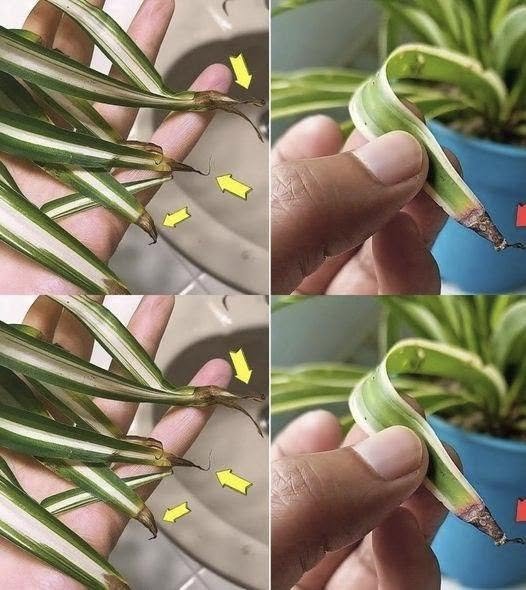
There’s nothing more disappointing than seeing the lush green leaves of your favourite herbaceous plants develop dry, brown tips. Whether you’re growing ornamental flowers, culinary herbs, or tropical houseplants, brown leaf tips are one of the most common plant problems gardeners encounter.
Fortunately, brown tips are usually a symptom rather than a disease. Understanding the underlying cause can help you restore your plant’s health and prevent the problem from recurring. In this guide, we’ll explore why herbaceous plant tips turn brown, how to identify the cause, and the best ways to keep your plants thriving.
What Are Herbaceous Plants?
Herbaceous plants are those with soft, green, non-woody stems. Unlike shrubs and trees, they typically die back to the ground at the end of the growing season or remain soft-stemmed throughout their life.
Examples include:
- Basil
- Mint
- Coriander
- Spinach
- Peace Lily
- Coleus
- Begonia
- Impatiens
- Hosta
- Ferns
Because these plants have delicate tissues, they are often the first to show signs of environmental stress.
Why Do Leaf Tips Turn Brown?
Brown tips occur when the cells at the ends of leaves die. Since water travels from the roots through the stem to the leaf tips, these tips are often the last part of the plant to receive moisture and nutrients. As a result, they are the first to suffer when conditions become unfavourable.
The browning may appear as:
- Dry, crispy edges
- Brown or yellow tips
- Burnt-looking leaf margins
- Curling or shrivelling leaves
The exact appearance often depends on the underlying cause.
1. Underwatering
One of the most common reasons for brown leaf tips is insufficient watering.
When the soil becomes too dry, the roots cannot absorb enough moisture. Since the leaf tips are furthest from the root system, they dry out first.
Symptoms
- Dry, crispy brown tips
- Wilting leaves
- Dry potting soil
- Slow plant growth
Prevention
- Water deeply rather than lightly.
- Check soil moisture regularly.
- Avoid allowing the soil to become completely dry unless the plant prefers it.
2. Low Humidity
Many herbaceous plants originate from tropical regions where humidity levels are naturally high.
Indoor heating, air conditioning, and winter weather can dramatically reduce humidity, causing moisture to evaporate from leaf surfaces faster than roots can replace it.
Plants Most Affected
- Peace Lily
- Ferns
- Calathea
- Begonia
- Prayer Plant
Symptoms
- Brown leaf tips
- Crispy edges
- Curling leaves
- Otherwise healthy-looking plant
Solutions
- Use a humidifier.
- Group plants together.
- Place water trays nearby.
- Move plants away from heating vents.
3. Overwatering
Ironically, watering too much can produce the same symptoms as underwatering.
When soil remains constantly wet, oxygen levels decrease and roots begin to rot. Damaged roots cannot absorb enough water, even though plenty is present.
Symptoms
- Brown tips
- Yellow leaves
- Soft stems
- Wet soil
- Root rot
Prevention
- Ensure pots have drainage holes.
- Use well-draining potting mix.
- Allow the top layer of soil to dry before watering again.
4. Fertiliser Burn
Plants need nutrients, but excessive fertiliser can damage their roots.
High concentrations of fertiliser salts draw water out of plant tissues, causing the leaf tips to burn.
Signs
- Brown tips shortly after fertilising
- White crust on soil surface
- Dark green leaves with burnt edges
How to Fix It
- Flush the soil thoroughly with clean water.
- Reduce fertiliser frequency.
- Follow the recommended dosage.
5. Salt Build-Up from Water
Tap water often contains dissolved minerals such as calcium, sodium, fluoride, and chlorine.
Over time, these minerals accumulate in the soil and interfere with water uptake.
Some herbaceous plants are particularly sensitive to fluoride and salts.
Symptoms
- Brown tips
- White deposits on soil
- Healthy new growth with damaged older leaves
Solutions
- Use rainwater where possible.
- Use filtered water for sensitive plants.
- Flush pots monthly.
6. Temperature Stress
Extreme temperatures can damage delicate leaf tissue.
Heat waves, cold drafts, or sudden temperature changes may cause leaf tips to dry out rapidly.
Heat Stress
- Brown edges
- Wilting
- Leaf scorch
Cold Damage
- Blackened tips
- Water-soaked patches
- Drooping leaves
Maintain stable growing conditions whenever possible.
7. Excessive Sunlight
Although many herbaceous plants enjoy sunlight, too much direct afternoon sun can scorch their leaves.
Young plants and shade-loving species are especially vulnerable.
Symptoms
- Brown patches
- Bleached leaves
- Crispy leaf tips
Move affected plants to filtered light if necessary.
8. Nutrient Deficiencies
A lack of essential nutrients can also contribute to browning.
Common deficiencies include:
- Potassium
- Magnesium
- Calcium
These nutrients play vital roles in maintaining healthy leaf tissue.
Symptoms
- Yellowing
- Brown edges
- Poor growth
- Weak stems
A balanced fertiliser usually corrects mild deficiencies.
9. Root Problems
Healthy roots are essential for transporting water and nutrients.
Roots may become damaged due to:
- Compacted soil
- Root rot
- Poor drainage
- Pot-bound containers
Inspect roots if symptoms continue despite proper care.
Healthy roots are:
- White
- Firm
- Fresh-smelling
Diseased roots appear:
- Brown
- Mushy
- Foul-smelling
10. Natural Ageing
Not every brown tip signals a problem.
Older leaves naturally age and die as plants produce fresh growth.
If only a few lower leaves are affected while new growth remains healthy, this is usually normal.
Simply remove old leaves to encourage fresh growth.
11. Pests
Sap-sucking insects weaken plants by removing moisture.
Common pests include:
- Spider mites
- Aphids
- Thrips
- Whiteflies
They often cause:
- Brown tips
- Speckled leaves
- Curling
- Sticky residue
Inspect the undersides of leaves regularly.
12. Plant Diseases
Certain fungal and bacterial diseases begin at leaf margins.
Symptoms may include:
- Brown spots
- Yellow halos
- Wilting
- Leaf drop
Remove infected leaves promptly and improve air circulation around plants.
How to Diagnose Brown Leaf Tips
Ask yourself these questions:
- Is the soil too dry or constantly wet?
- Have you recently fertilised?
- Is your home very dry?
- Has the weather changed suddenly?
- Are only old leaves affected?
- Do you notice insects or webbing?
- Is the plant root-bound?
Answering these questions often helps identify the true cause.
Can Brown Leaf Tips Turn Green Again?
Unfortunately, no.
Once leaf tissue has died, it cannot regenerate.
However, after correcting the underlying issue, new leaves should emerge healthy and green.
Many gardeners trim off the brown portions with clean, sharp scissors for a neater appearance. Following the natural shape of the leaf when trimming creates a more attractive result.
Preventing Brown Leaf Tips
Good plant care greatly reduces the likelihood of brown leaf tips. Here are some simple preventive measures:
- Water consistently according to the plant’s needs.
- Ensure pots have proper drainage.
- Avoid over-fertilising.
- Flush soil periodically to remove excess salts.
- Maintain appropriate humidity levels.
- Protect plants from extreme temperatures.
- Provide the right amount of sunlight.
- Inspect regularly for pests and diseases.
- Repot plants before they become severely root-bound.
- Remove damaged foliage to encourage healthy new growth.
Final Thoughts
Brown leaf tips are one of the earliest warning signs that a herbaceous plant is experiencing stress. While they may look alarming, they rarely indicate a hopeless situation. In most cases, the problem stems from watering issues, low humidity, fertiliser burn, mineral build-up, or environmental stress rather than a serious disease.
The key to recovery is careful observation. By examining watering habits, light conditions, humidity, soil quality, and overall plant health, you can identify the underlying cause and take corrective action. Once the issue is addressed, healthy new foliage should replace the damaged leaves, allowing your herbaceous plants to regain their vibrant appearance.
Remember, plants communicate through their leaves. Brown tips are simply their way of signalling that something in their environment needs attention. With timely care and a little patience, your herbaceous plants can continue to flourish and provide healthy, attractive growth throughout the growing season.